India, China face tariff threat as Trump signs Russia sanctions law
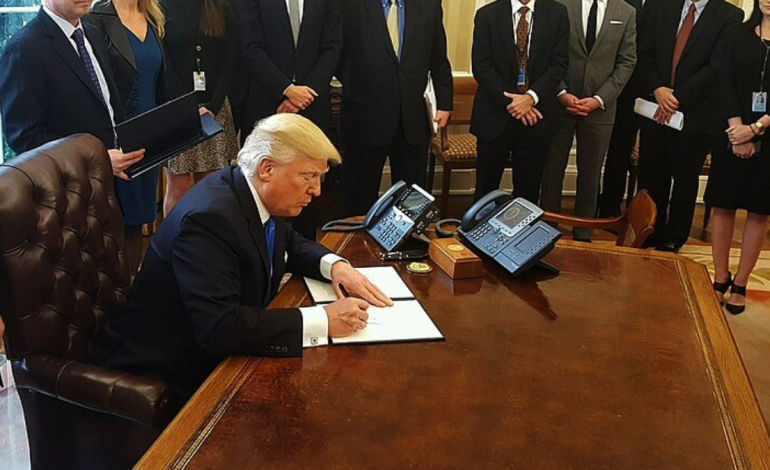
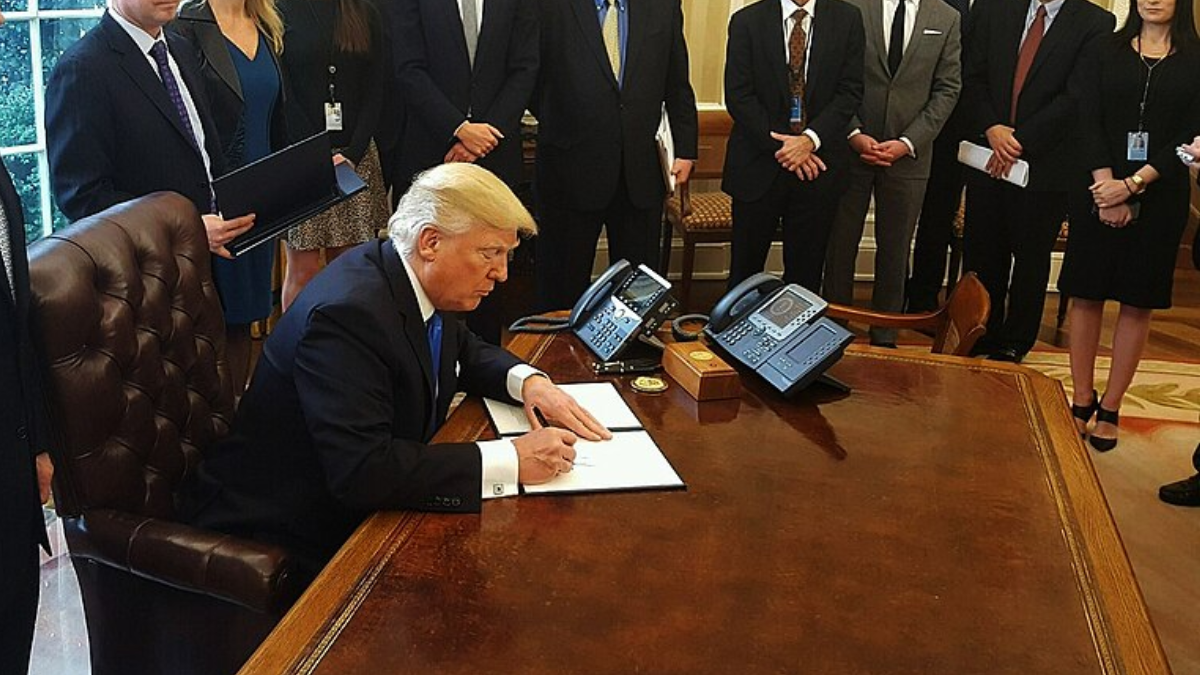
The US president, Donald Trump. (Image courtesy: Wikimedia)

New Delhi: The US president, Donald Trump, on Friday signed into law legislation that enables sweeping sanctions on Russia and allows him to impose additional tariffs on countries importing Russian energy, including India and China. The bill had been passed by the US House of Representatives only two days earlier, clearing the way for Trump to sign it.
The Lindsey O. Graham Sanctioning Russia and Iran Act of 2026 authorizes the US president to expand sanctions, tariffs and prohibitions on Russia and Iran.
“On Friday, September 18, 2026, the President signed into law: H.R. 5334, the ‘Lindsey O. Graham Sanctioning Russia and Iran Act of 2026,’ which authorizes and expands statutory sanctions, tariffs, and prohibitions on Russia and extends existing sanctions on Iran,” the White House said in a statement.
The legislation is named after the senator Lindsey Graham, who died in July this year. He was one of the staunchest supporters of Ukraine in the Senate, pushing for stronger US and Western military support for Kyiv and tougher sanctions on Russia. According to CNN, the Republican from South Carolina visited war-torn Ukraine 10 times and believed in an “expansive global role for the US”.
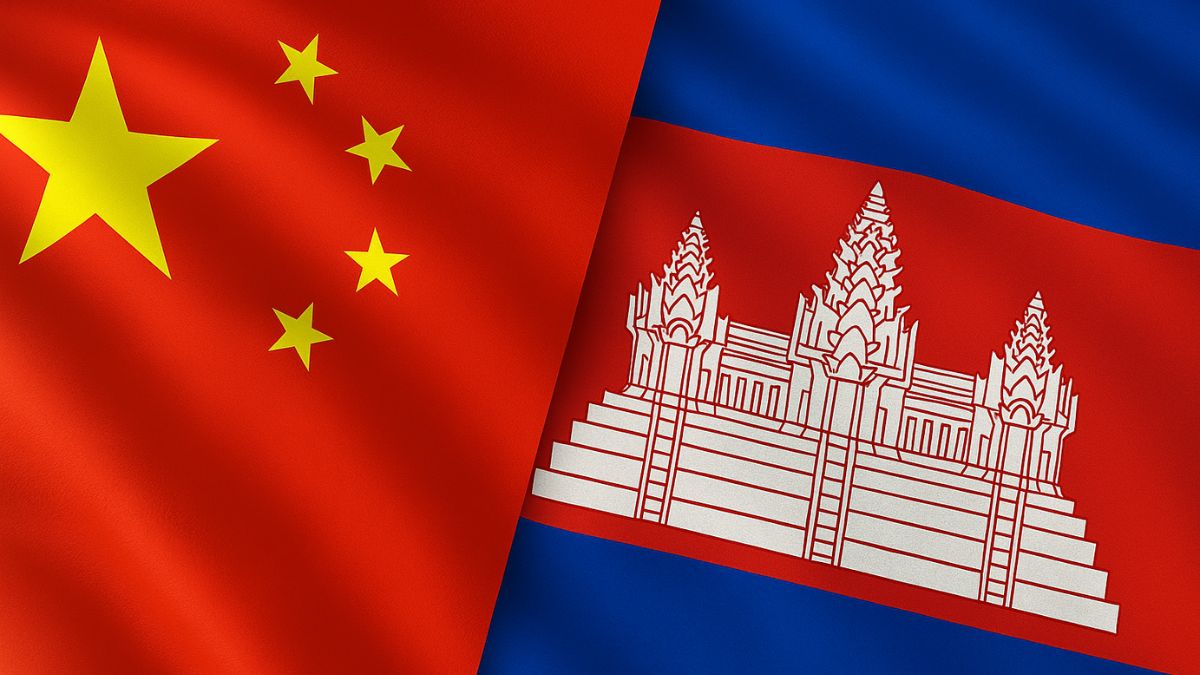
The law allows the imposition of tariffs of up to 100 per cent on major buyers of Russian oil and natural gas, such as India and China. Under the new law, Russia could face tariffs of up to 500 per cent on goods entering the US. These measures do not take effect on their own unless the US president acts on them. The law will also allow the US to maintain sanctions on Iran until 2031.
The law is intended to target Russian officials, key sectors of the Russian economy such as its banks, and the shadow fleet transporting Russian energy to buyers, as reported by RNA earlier.
Ahead of Trump’s signing of the bill into law, India’s Ministry of External Affairs, responding to reports of the bill’s passage, said it remained committed to safeguarding its interests. In an official statement, the ministry said India “remains firmly committed to ensuring energy security for its 1.4 billion people” and would continue to do so “through diversified sourcing and based on evolving market dynamics”.
The government added that the matter had been raised “at high levels in recent months with various US interlocutors”, with New Delhi conveying its concerns over the move’s implications for both bilateral ties and global energy markets.
India further said it would “take all necessary measures to protect its trade and economic interests”, and that it would work closely with domestic trade and industry bodies to manage the fallout.
The Kremlin spokesperson, Dmitry Peskov, took strong exception to the move, warning that any additional US sanctions on Russia would hamper a peace deal in Ukraine. “We are, of course, monitoring the progress of this document. It falls under the category of unfriendly actions, and of course the imposition of any additional sanctions by the US would certainly complicate efforts to find a peace settlement in Ukraine,” Reuters quoted Peskov as saying.
Thanking Trump, the Ukrainian president, Volodymyr Zelenskyy, said in a post on X, “When Lindsey Graham was here in Ukraine, he would always talk about how important it was not to ease pressure on Russia, to strengthen sanctions and seek a path to peace.”
The development comes only days ahead of a visit to the US by the Chinese president, Xi Jinping.