

Why are Houthi gains on Yemen’s Red Sea Coast worrying Saudi Arabia
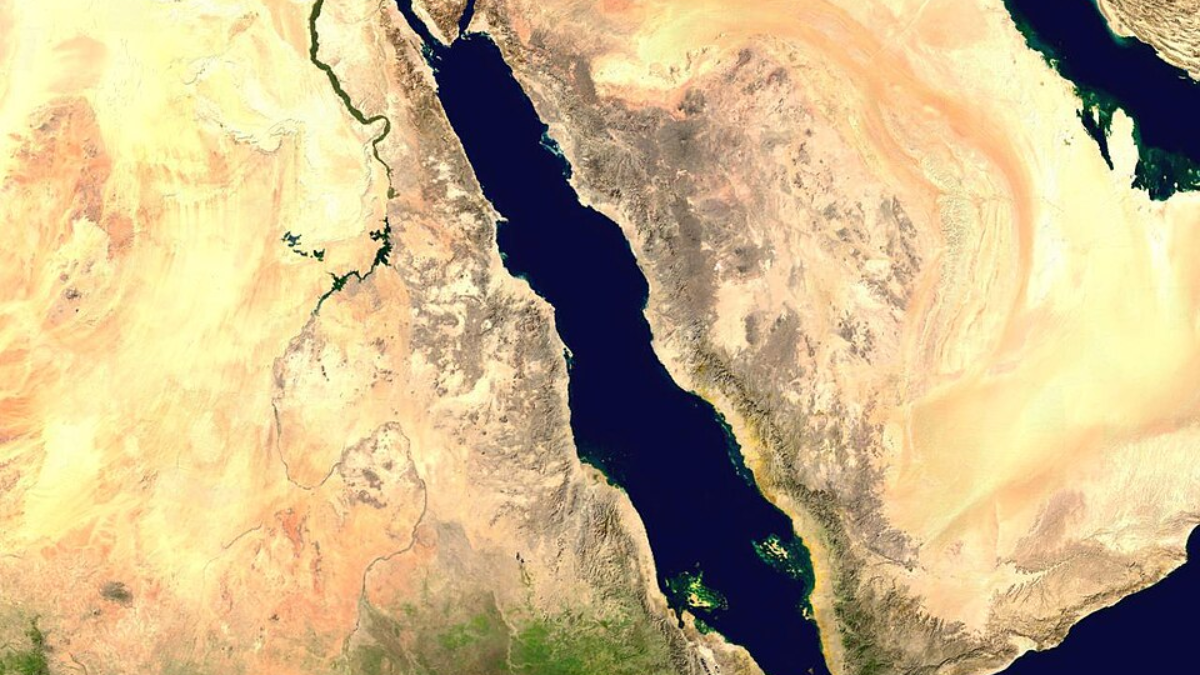
Red Sea Coast. (Image courtesy: Wikimedia)

New Delhi: Saudi Arabia is under pressure as Houthi rebels seize key positions on Yemen’s Red Sea coast and drone attacks disrupt a major oil pipeline. The developments threaten Riyadh’s alternative export routes as Iran continues to disrupt shipping through the Strait of Hormuz.
The Houthis have captured the port city of Mokha and a nearby Red Sea island from Saudi backed Yemeni government forces. The advance strengthens their position around the Bab el Mandeb Strait, a vital route linking the Red Sea with the Gulf of Aden and connecting shipping between Europe and Asia.
The rebels are now about 20 miles from a major US military base in Djibouti, located across the Bab el Mandeb. Djibouti also hosts military facilities operated by China, France and Japan, making the Houthi advance strategically significant beyond Yemen.
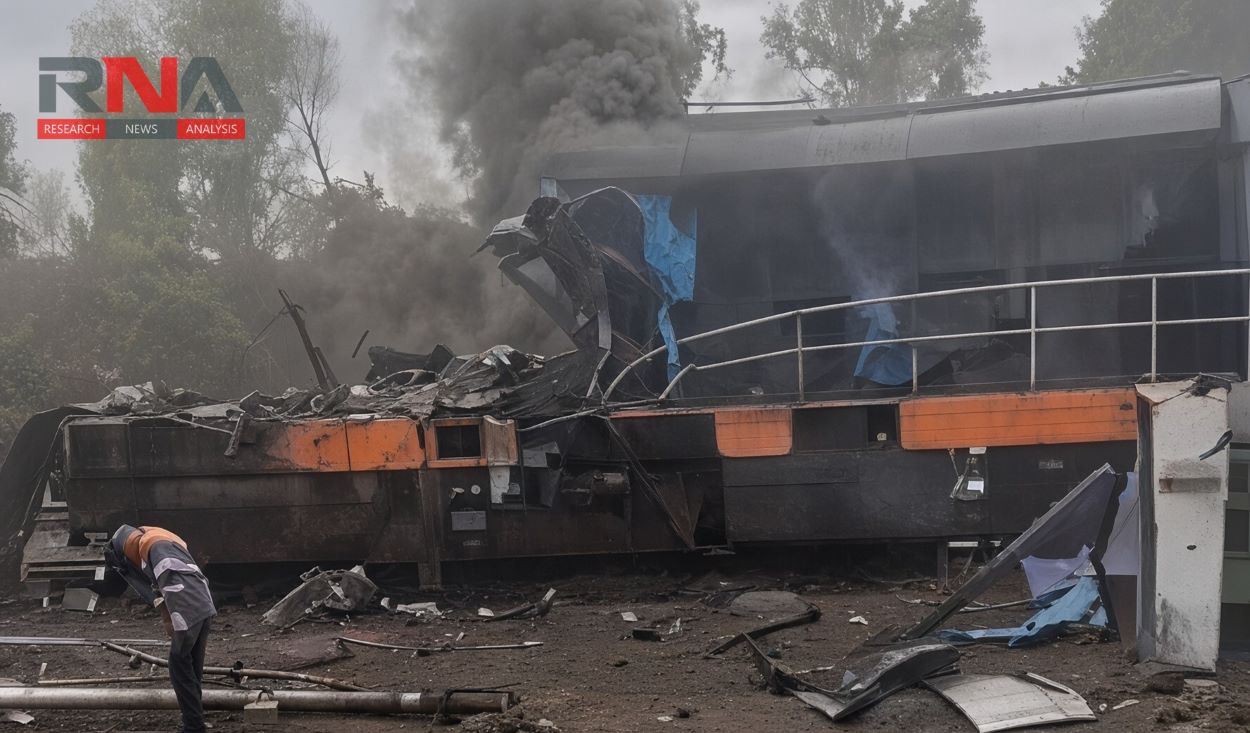
Saudi Arabia said it halted a major pipeline on Friday after drone attacks originating from Iraq. The pipeline carries oil from major fields in eastern Saudi Arabia towards the Red Sea, providing an alternative to the Strait of Hormuz.
Iran supports powerful Iraqi militias, and regional officials told Associated Press that the Houthis have helped Iraqi groups conduct attacks. Saudi oil can normally reach Europe through Egypt’s Sumed pipeline and the Suez Canal or travel towards Asia through the Bab el Mandeb.
The attacks are already affecting Saudi exports. Kpler data showed shipments to Asia falling from about 3.4 million barrels per day in June to 128,000 barrels per day in August, although they have recovered to around 700,000 barrels per day this month.
The decline highlights the vulnerability of Saudi Arabia’s energy network as both its main Gulf route and its Red Sea alternatives face security threats. Prolonged disruption could tighten global supplies and push oil prices higher.
Hormuz crisis adds pressure
The situation comes as Iran continues to disrupt the Strait of Hormuz, another critical energy route. Pressure on both Hormuz and Bab el Mandeb could affect oil and gas shipments while forcing commercial vessels to take longer routes.
The risks extend beyond energy markets because disruption at either chokepoint can increase shipping costs and affect trade between Asia, Europe and the Middle East. A simultaneous crisis at both routes could have a much wider economic impact.
Saudi Arabia does not want another Yemen war
Riyadh spent years trying to move beyond its war with the Houthis, which began in 2015 and killed an estimated 150,000 people while pushing Yemen towards famine. A 2022 ceasefire largely halted the fighting and allowed crown prince of Saudi Arabia, Mohammed bin Salman, to focus on economic reforms, investment and regional stability.
The latest Houthi gains now threaten to pull Saudi Arabia back into the conflict. Former US ambassador, Michael Ratney, said the developments were incredibly frustrating for Riyadh because the kingdom had never wanted the war and had feared many of the consequences now unfolding.
Saudi Arabia could increase military operations to push the Houthis away from the Red Sea coast. But a wider action could prolong the war and expose Saudi oil facilities to heavier missile and drone attacks, while Houthi weapons are now more advanced.
Sherwan Hindreen Ali of ACLED said Saudi Arabia may also have fewer interceptor missiles available because of the wider US and Iran conflict. A diplomatic solution remains possible, but the Houthis want the Saudi-led blockade lifted and Iran has little incentive to stabilize the region without securing concessions from Washington.
US support remains uncertain
The United States has long provided security support to Saudi Arabia but is already heavily committed around the Strait of Hormuz. American forces are also facing pressure on military resources and sophisticated missile interceptors. Washington previously conducted airstrikes against the Houthis after attacks on Red Sea shipping. The United States president, Donald Trump, has shown reluctance to widen the current conflict, saying the upcoming congressional elections could influence decisions on further military action.
Trump has said Iran was probably behind the Saudi pipeline attack and described Mohammed bin Salman as a good friend. However, the White House has not said whether the United States will intervene against the Houthis.
Yemeni government forces have launched attacks against Houthi positions around Mokha, Dhubab and other parts of Taiz province. Government officials have promised to send more troops towards the Red Sea and retake lost territory.
A Yemeni government aligned force known as the National Resistance Forces said more than 500 of its fighters had been killed along the western coast over the past four weeks. It also claimed that more than 1,000 Houthi fighters had been killed in Hodeida and Taiz, though the Houthis have not confirmed the figures. Sultan al-Arada, a member of Yemen’s presidential leadership council, described the losses as painful and said forces were regrouping. Council chairman Rashad al Alimi has called the setbacks temporary and reaffirmed the government’s aim of restoring control over national territory.
Houthi attacks hit Saudi border areas
The Houthis have continued claiming missile and drone attacks against Saudi targets under their newly declared blockade. Saudi authorities sounded warning sirens in Abha and Khamis Mushait on Sunday, while the rebels claimed they had targeted a military base near the border.
Saudi civil defence officials separately reported that a projectile struck an area near the Red Sea border, injuring two people and damaging a mosque and several buildings. Riyadh blamed the Houthis but did not announce new strikes against the group.
The escalation is creating another humanitarian crisis in Yemen. The international organization for migration estimates that more than 82,000 people have been displaced inside the country since the beginning of September. More than 2,000 Yemenis have crossed the Red Sea into Djibouti, according to the migration agency. Djibouti’s navy, coast guard and other agencies are carrying out rescue operations and providing emergency assistance.
Global energy markets on alert
The biggest concern is the possibility of prolonged disruption at both Bab el Mandeb and the Strait of Hormuz. Together, the two waterways are critical to energy shipments and international trade, meaning continued attacks could raise oil prices, shipping costs and delivery times.
Saudi Arabia is now caught between protecting its oil infrastructure and avoiding a return to a costly Yemen war. The Houthi advance, the pipeline attacks and uncertainty over US intervention have turned the Red Sea into another major pressure point in the wider conflict with Iran.