

‘Playing with fire’: Russia threatens UK military sites as Trump disputes ‘CIA warning’ over Nato attack
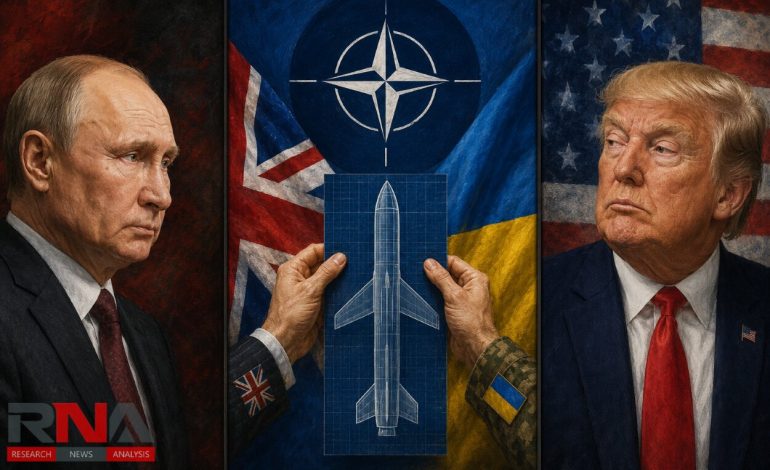
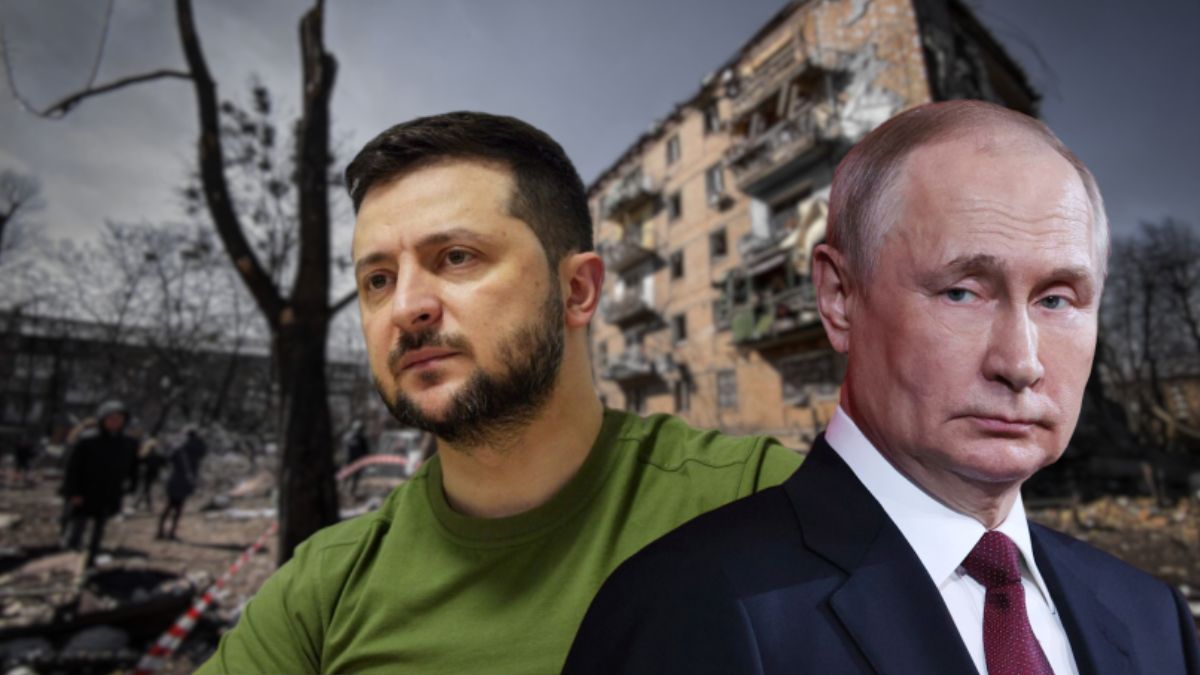
RNA Media illustration for representation.

New Delhi: Russia has warned that it could strike British military installations inside and outside Ukraine in response to Kyiv’s use of British-supplied missiles against targets claimed by Moscow. The threat marked a sharp escalation after London agreed to share classified technology that would help Ukraine manufacture long-range Storm Shadow missiles domestically.
The Russian foreign ministry spokeswoman, Maria Zakharova, said on Thursday that Britain was “one step away” from becoming legally complicit in what Moscow describes as terrorism against Russian civilians. She warned of “catastrophic consequences” and said British military facilities and equipment could become targets if Ukraine continued striking Russian territory with British weapons.
Zakharova also accused Britain and France of “playing with fire” by transferring sensitive missile technology to Kyiv, arguing that the decision risked pushing the war into a more dangerous phase. France has approved the licensing arrangements required for Ukraine to produce the Franco-British missile, known as Storm Shadow in Britain and Scalp in France.
The warning followed the British prime minister, Andy Burnham, announcing that London would provide classified technical information relating to British components in the weapon. The arrangement is intended to help Ukraine establish a domestic production line, reducing its dependence on the limited number of missiles that European governments can transfer from their own stockpiles.
Moscow’s immediate allegation was that Ukraine had used Storm Shadow missiles against a shopping centre in Russian-controlled Donetsk, wounding civilians, including children. Ukraine did not immediately respond to that allegation, and Reuters said it could not independently verify Russia’s account.
Britain rejected the threat and reiterated that Ukraine was entitled to defend itself against Russia’s invasion, which began in February 2022. A British defence ministry spokesman said London remained committed to supplying Kyiv with the equipment it needed and would continue to oppose Russian aggression against Ukraine, Britain and its allies.
The Storm Shadow is an air-launched cruise missile designed to penetrate defended airspace and strike fortified or strategically important targets at considerable distance. Helping Ukraine manufacture the weapon would not merely replenish its arsenal but could give Kyiv a more sustainable capacity to attack command centres, logistics nodes, airfields and other military infrastructure behind Russian lines.
For Moscow, the distinction between supplying weapons and transferring the technology needed to produce them is politically significant. Russian officials portray the latter as deeper western participation in the war, although Britain and other Nato members maintain that assisting Ukraine does not make them parties to the conflict.
Trump rejects fears of a Russian attack on Nato
Against this increasingly confrontational backdrop, the US president, Donald Trump, said he did not believe the Russian president, Vladimir Putin, would attack a Nato member. “He’s not going to attack a Nato territory,” Trump told reporters in the Oval Office on August 27, dismissing reports that Washington had sent its intelligence chief to Moscow with a warning against such an operation.
Trump separately told Axios that the CIA director, John Ratcliffe, had carried no particular message and that there was “nothing unusual” about his meeting with Russian intelligence officials. He described contacts between Ratcliffe and his Russian counterpart as periodic exchanges between officials who maintained a functioning relationship.
That account, however, differed from reports citing people familiar with the discussions. Two sources told Reuters that Ratcliffe had raised the possibility of a Russian operation against a Nato country, although they could not say whether the issue was the principal purpose of his journey.
Trump’s public confidence that Putin would avoid Nato territory does not necessarily disprove the reported warning. Governments frequently use private intelligence channels to communicate risks that they do not wish to acknowledge publicly, particularly when disclosure could intensify pressure for military preparations or expose sensitive intelligence assessments.
What Ratcliffe’s unannounced Moscow visit may have signalled
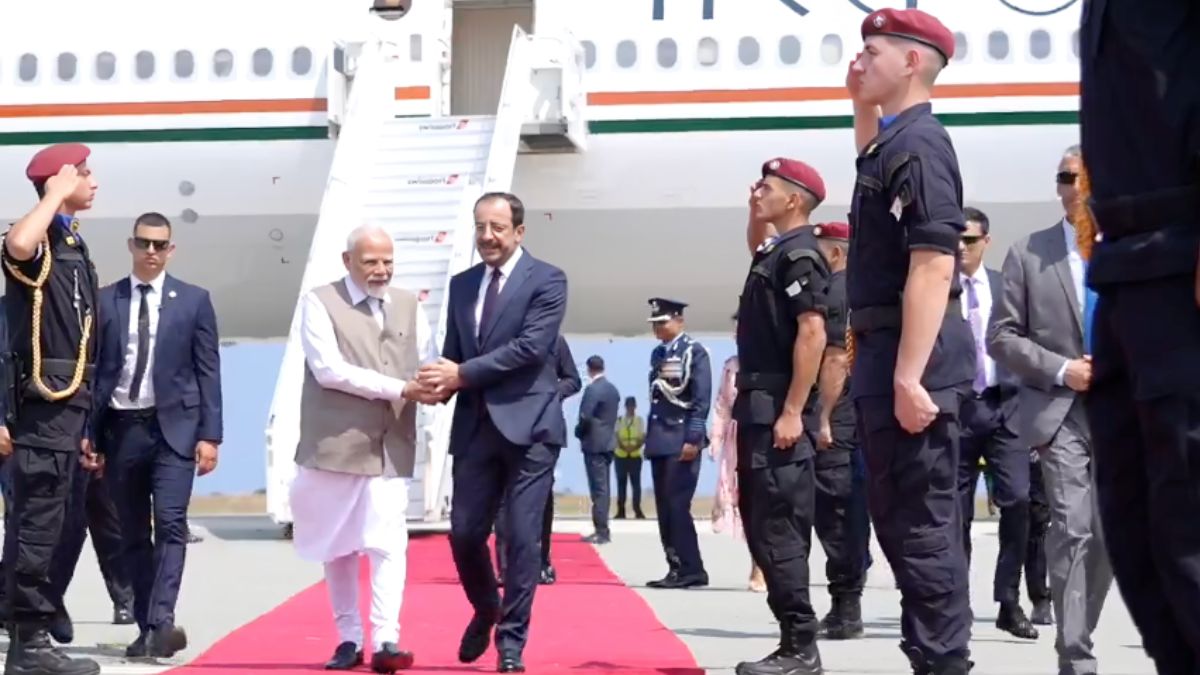
Ratcliffe travelled to Moscow on August 25 for meetings that neither Washington nor Moscow had announced beforehand, making it his first publicly known visit to Russia since becoming CIA director. It was also the first known journey to the Russian capital by a serving CIA chief since William Burns travelled there in November 2021, three months before Russia launched its full-scale invasion of Ukraine.
The head of Russia’s Foreign Intelligence Service, Sergei Naryshkin, subsequently confirmed that he had held what he called a “working-level meeting” with Ratcliffe. He said they discussed sensitive matters within the responsibilities of their agencies but insisted that the contact was not unusual, while the Kremlin said Putin had been informed of the visit but had not met Ratcliffe.
The secrecy surrounding the journey was reinforced by reports that Washington informed Kyiv that a senior American delegation would be in Moscow and requested a temporary pause in Ukrainian strikes on the Russian capital, St Petersburg and parts of northern Russia. A Ukrainian official said Kyiv observed the requested restraint until the delegation had departed, although Washington did not publicly explain why the precaution was necessary.
The Wall Street Journal, citing people briefed on the visit, reported that Ratcliffe had warned Russia against attacking any Nato member. The newspaper linked the warning to new US intelligence assessments that Putin might consider a limited operation against an allied country within the next few years to test Nato’s political unity and willingness to respond.
ABC News and CBS News later cited their own sources as saying that a Nato warning formed part of Ratcliffe’s agenda. None of those accounts has been officially confirmed by the CIA, the White House or the Kremlin, making the purpose of the trip a strongly sourced report rather than an established government disclosure. ABC News also reported also reported that Iran was discussed.
Some western intelligence services are concerned less about an immediate Russian ground invasion than about a limited, deniable or ambiguous operation designed to test Nato’s response. Possible scenarios reported in western media have included sabotage, cyberattacks, airspace incursions or a false-flag operation involving Ukrainian drones directed against an eastern European country.
Such an operation would seek to exploit uncertainty over whether an incident met the threshold for collective military action. Nato’s Article 5 treats an armed attack on one member as an attack on all, but the nature of the assistance is decided by individual allies and may not automatically involve the use of force. Nato’s official explanation of Article 5 also says that whether an incident constitutes an armed attack must be assessed case by case.
Russia has denied that it intends to attack Nato and has accused European governments of promoting alarmist scenarios to justify higher defence spending and continued support for Ukraine. Nevertheless, Nato members bordering Russia have accelerated military preparations, with Poland positioning newly acquired K2 Black Panther tanks near the Russian exclave of Kaliningrad.
Iran was another plausible component of Ratcliffe’s discussions because Moscow’s strategic relationship with Tehran has become an increasing source of friction with Washington. CBS News reported that Ratcliffe warned of further sanctions if the Strait of Hormuz remained closed to shipping, while Reuters said one source confirmed that Russian support for Iran was raised.
As RNA Media reported on Wednesday, other possibilities included crisis management over Ukraine, an attempt to revive stalled negotiations or a narrowly defined arrangement involving detainees. These explanations are not mutually exclusive because intelligence-level meetings can cover several urgent matters without producing a formal diplomatic agreement.
The choice of the CIA director as messenger was important because intelligence chiefs can privately present sensitive evidence without revealing its sources or committing their governments to a public negotiating position. Ratcliffe could therefore communicate what Washington believed Russia was preparing, define actions it considered unacceptable and outline possible consequences without the ceremony surrounding a visit by a secretary of state or national security advisor.
Burns performed a similar function in November 2021 when he carried a warning to Moscow after US intelligence detected preparations for an invasion of Ukraine. Russia denied at the time that it planned to attack but launched the full-scale operation in February 2022.
The latest encounter does not establish that Moscow has decided to attack Nato, nor does Trump’s dismissal demonstrate that the intelligence concerns are unfounded. What it does show is that Washington and Moscow are preserving a direct channel for sensitive communication at a time when the Ukraine war, Russia’s threats against Britain and tensions involving Iran are creating several possible routes to a wider confrontation.