

European Commission approves €6.1 billion for Ukraine defence, prioritizing air defence and missiles
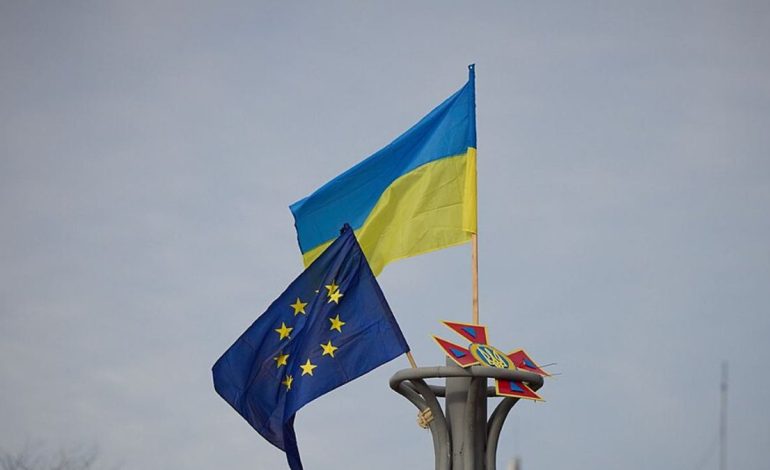
The flags of Ukraine and the European Union. Image courtesy: Wikimedia Commons

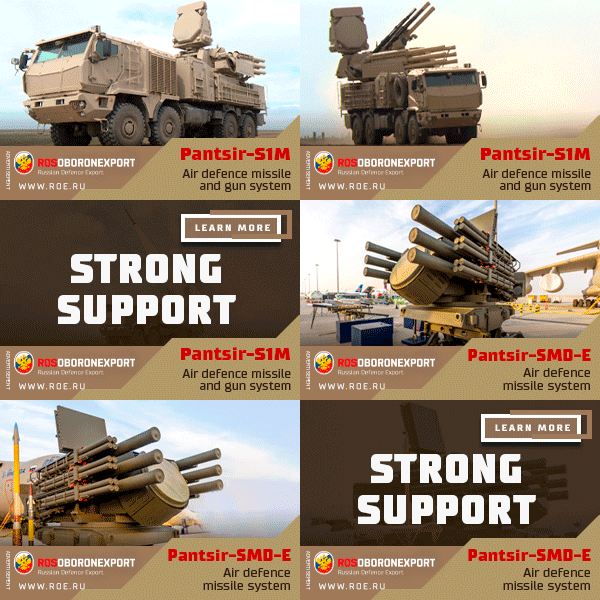
New Delhi: The European Commission on Monday approved an additional €6.1 billion for Ukraine’s defence procurement, with the funding covering air and missile defence systems, missiles, ammunition and radars. The package adds to European efforts to sustain Kyiv’s military capabilities as Russia continues missile and drone attacks against Ukrainian targets.
European Commission president Ursula von der Leyen said the decision came as Russia intensified its attacks. “We are stepping up to help Ukraine protect its people and defend its skies,” she said. The approval was announced on August 24, Ukraine’s Independence Day.
The Commission did not announce the number or type of individual air-defence systems, missiles or radars to be procured under the latest approval.
Air defence at centre of package
The emphasis on air and missile defence reflects one of Ukraine’s most persistent military requirements. Russia continues to use drones, cruise missiles and ballistic missiles against Ukrainian cities, military facilities and infrastructure, forcing Kyiv to expend both interceptor missiles and ammunition while maintaining radar coverage.
Radars provide detection and tracking data, while air-defence systems and their interceptors are used to engage incoming threats. Sustaining that network therefore depends not only on launchers but also on a continuing supply of missiles, ammunition and radar systems.
Recent attacks have underlined that pressure. Reuters reported, citing Ukrainian officials, that a Russian drone strike on a shopping centre in Kryvyi Rih on August 21 killed at least 16 people and wounded more than 130. Ukraine has repeatedly asked its partners for more air-defence systems and interceptor missiles as Russian aerial attacks continue.
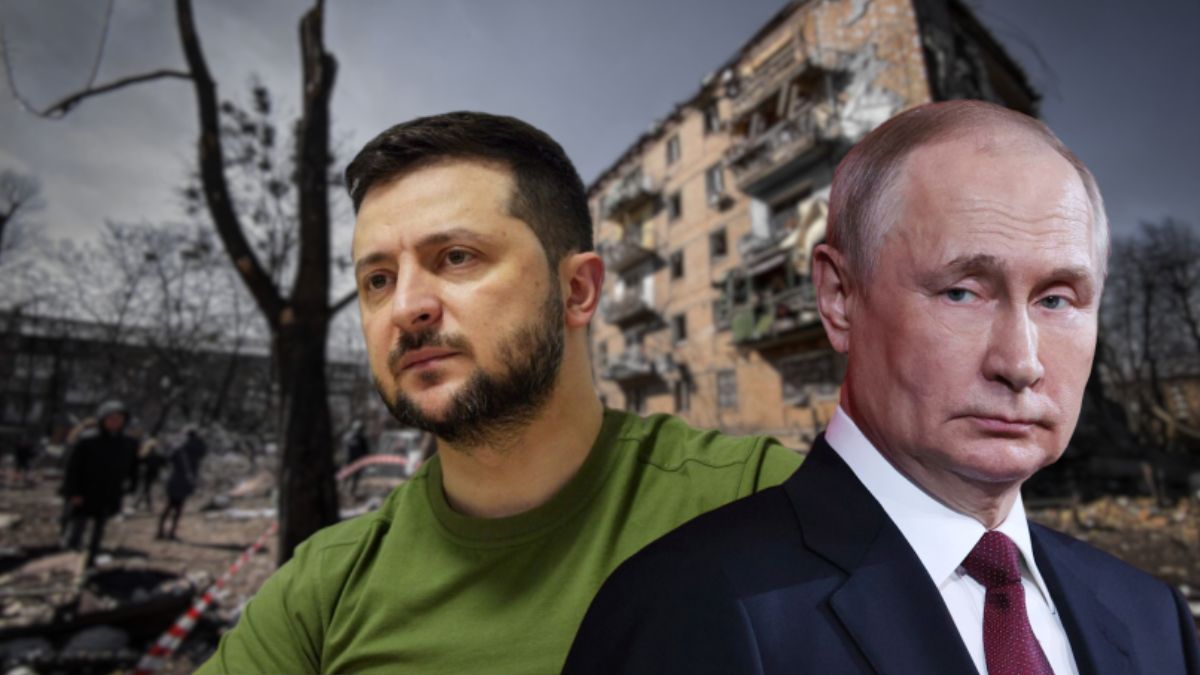
Ukrainian president Volodymyr Zelenskyy said on Saturday, that French president Emmanuel Macron had agreed to accelerate deliveries of French military equipment and missiles. Zelenskyy also said Macron was willing to engage allies holding stocks of US-made Patriot interceptors, which Ukraine has been seeking in greater numbers.
How the €6.1 billion fits into earlier procurement
The latest approval is separate from €16 billion in previously approved procurement plans. Reuters, citing the EU, reported that €8.35 billion of that amount had already been disbursed before Monday’s announcement.
The European Commission’s defence-support page, however, separately lists three payments made under the 2026 defence window: €3.9 billion on June 30, €1.1 billion on July 15 and €3.47 billion on July 30, which together total €8.47 billion. The publicly available sources do not explain the €120-million difference between that total and the €8.35-billion figure cited by Reuters.
The procurement is part of the EU’s broader €90-billion Ukraine Support Loan for 2026 and 2027. The Council of the European Union says an indicative €60 billion is intended to strengthen Ukraine’s defence-industrial capacity, including procurement of defence products, while €30 billion is earmarked for macroeconomic support.
For 2026, the Council approved up to €45 billion in support, including €28.3 billion for Ukraine’s defence-industrial capacity. The funding is designed to give Ukraine access primarily to defence products from Ukrainian and European industries, with provisions for other suppliers under specified conditions.
The focus on missiles and air defence is consistent with the EU’s wider military assistance to Ukraine. The Council estimates that the EU and its member states have provided €88.7 billion in military support to the Ukrainian armed forces since Russia launched its full-scale invasion in 2022. That figure includes assistance through EU mechanisms as well as support from individual member states.
The Council has also backed joint procurement of ammunition and missiles and measures aimed at increasing European defence-production capacity, while the Ukraine Support Loan gives defence procurement a substantial dedicated financial component.