

Iran puts $30,000 price tag on US troops as Strait of Hormuz crisis deepens
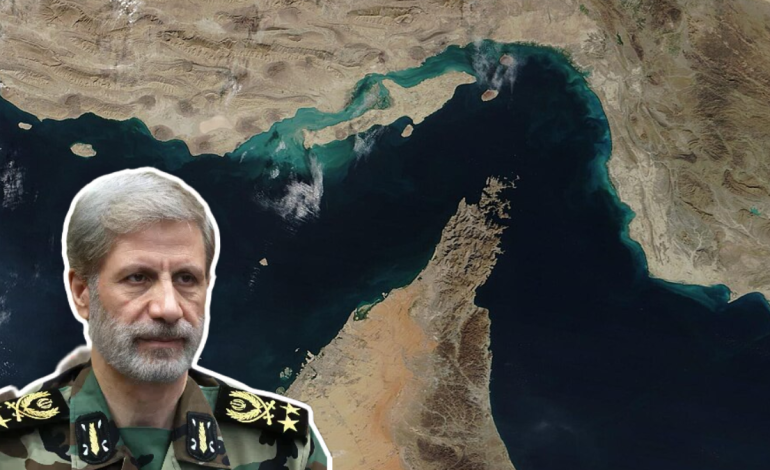
Strait of Hormuz crisis deepens. (Image courtesy: Wikimedia)

New Delhi: Iran has announced a $30,000 reward for the capture or killing of an American servicemember who enters Iranian territory, according to Iranian state-linked media reports, in a fresh escalation of rhetoric as Tehran and Washington remain locked in a confrontation over the Strait of Hormuz. The announcement by Iranian Army commander-in-chief Major General, Amir Hatami comes as diplomatic efforts through Oman seek to restore commercial shipping through the strategic waterway.
Hatami reportedly made the announcement during an event marking Journalists’ Day, saying the reward would be funded through contributions from the Iranian people. According to media reports payment would be offered to an Iranian force that captures or kills an “American aggressor”.
The reported bounty adds a sharply confrontational element to an already fragile US-Iran standoff. It comes after months of military confrontation and as both sides continue to disagree over the terms of a memorandum of understanding signed in June that was intended to extend a ceasefire and facilitate the reopening of the Strait of Hormuz.
Hormuz emerges as key pressure point
The Strait of Hormuz has increasingly become the central bargaining chip in the dispute. The narrow waterway connecting the Persian Gulf with the Gulf of Oman is one of the world’s most important maritime energy routes, and disruptions to traffic through it have already affected shipping and raised concerns over energy supplies.
The situation has deteriorated again in recent weeks. Traffic through Hormuz has slowed sharply, with only a handful of vessels recorded passing through on August 14 amid renewed attacks and growing military pressure. Two UAE-operated oil tankers were also attacked while transiting the waterway, with the UAE blaming Iran’s Islamic Revolutionary Guard Corps for the incidents.
Against this backdrop, Iranian foreign minister, Abbas Araghchi has said Tehran is continuing discussions with Oman over arrangements for commercial shipping through the strait. He has, however, warned that reopening the waterway fully will depend on Washington honouring commitments contained in the June MoU.
Tehran has increasingly tied the future of Hormuz to wider demands from Washington, including an end to hostilities, the lifting of sanctions and the removal of the US maritime blockade and military pressure. Iranian officials have also demanded compensation for wartime damage and other concessions before agreeing to a broader reopening.
Oman tries to keep shipping talks alive
Oman has emerged as a key intermediary between Tehran and Washington as direct negotiations remain stalled. Iranian and Omani officials have been working on arrangements that could allow commercial vessels to navigate the strait under a temporary framework, although the final agreement remains dependent on the broader US-Iran understanding.
The dispute has therefore moved beyond a question of maritime navigation. For Tehran, control over access to Hormuz provides significant leverage at a time when Washington is pressing Iran economically and militarily, while the United States has sought to maintain pressure on Tehran and protect maritime movement.
Mourning adds to Iran’s wartime atmosphere
The latest military rhetoric also comes as Iran continues a period of public mourning for Iran’s slain supreme leader Ayatollah Ali Khamenei. As per media reports, Tehran, Qom and Mashhad are set to host ceremonies marking the 40th day following his burial, with his son and current supreme leader Mojtaba Khamenei expected to oversee the commemorations.