Fresh US tariff regime draws legal challenge, India among countries facing new duties
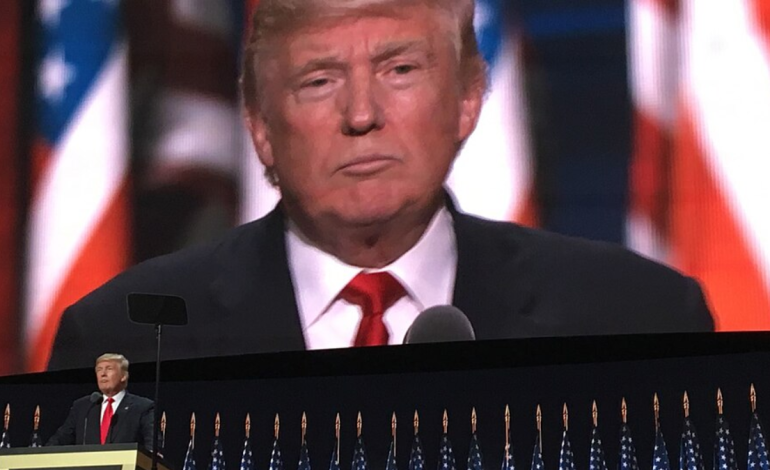
Fresh US tariff regime draws legal challenge. (Image courtesy: Wikimedia)

New Delhi: India is among nearly 60 trading partners facing fresh US import duties of up to 12.5 per cent, even as Donald Trump’s administration confronts another legal challenge over the tariff regime. A coalition of 25 US states has asked a federal trade court to block the duties, arguing that Washington is using forced-labour concerns to justify tariffs that effectively revive measures previously rejected by the courts.
The latest tariffs came into force on July 24, immediately after an earlier temporary 10 per cent global tariff expired. They range from 10 per cent to 12.5 per cent and apply to countries accounting for more than 99 per cent of US imports, bringing India into the latest phase of Trump’s tariff policy.
The legal challenge was filed in the US international trade court in New York. The states have asked the court to declare the tariffs unlawful, stop their collection and order the government to return duties already paid by importers.
The dispute centres on the legal authority used by the administration. After the US supreme court ruled in February that Trump could not use the International Emergency Economic Powers Act (IEEPA) to impose broad tariffs, Washington shifted to Section 301 of the Trade Act of 1974 for its latest round of duties.
Section 301 permits the US trade representative to take action against foreign countries over unfair or discriminatory trade practices. The Trump administration has argued that countries failing to effectively prevent imports linked to forced labour are engaging in practices that unfairly burden US commerce.
The states, however, say the administration is stretching that provision to impose blanket tariffs on economies across the world. Their complaint argues that there is no sufficient connection between forced-labour concerns and duties covering almost the entire US import market.
The lawsuit also questions the way the administration conducted its Section 301 investigations, alleging that the process was accelerated after Trump’s earlier tariff framework suffered a setback at the Supreme Court.
For India, the dispute adds another layer of uncertainty to the country’s trade relationship with Washington. New Delhi is among the major economies affected by the latest duties, while India-US trade negotiations continue to focus on tariffs, market access and efforts to expand bilateral commerce.
The states have also argued that previous administrations used Section 301 more selectively, generally targeting particular countries or sectors rather than imposing duties on such a broad group of trading partners.
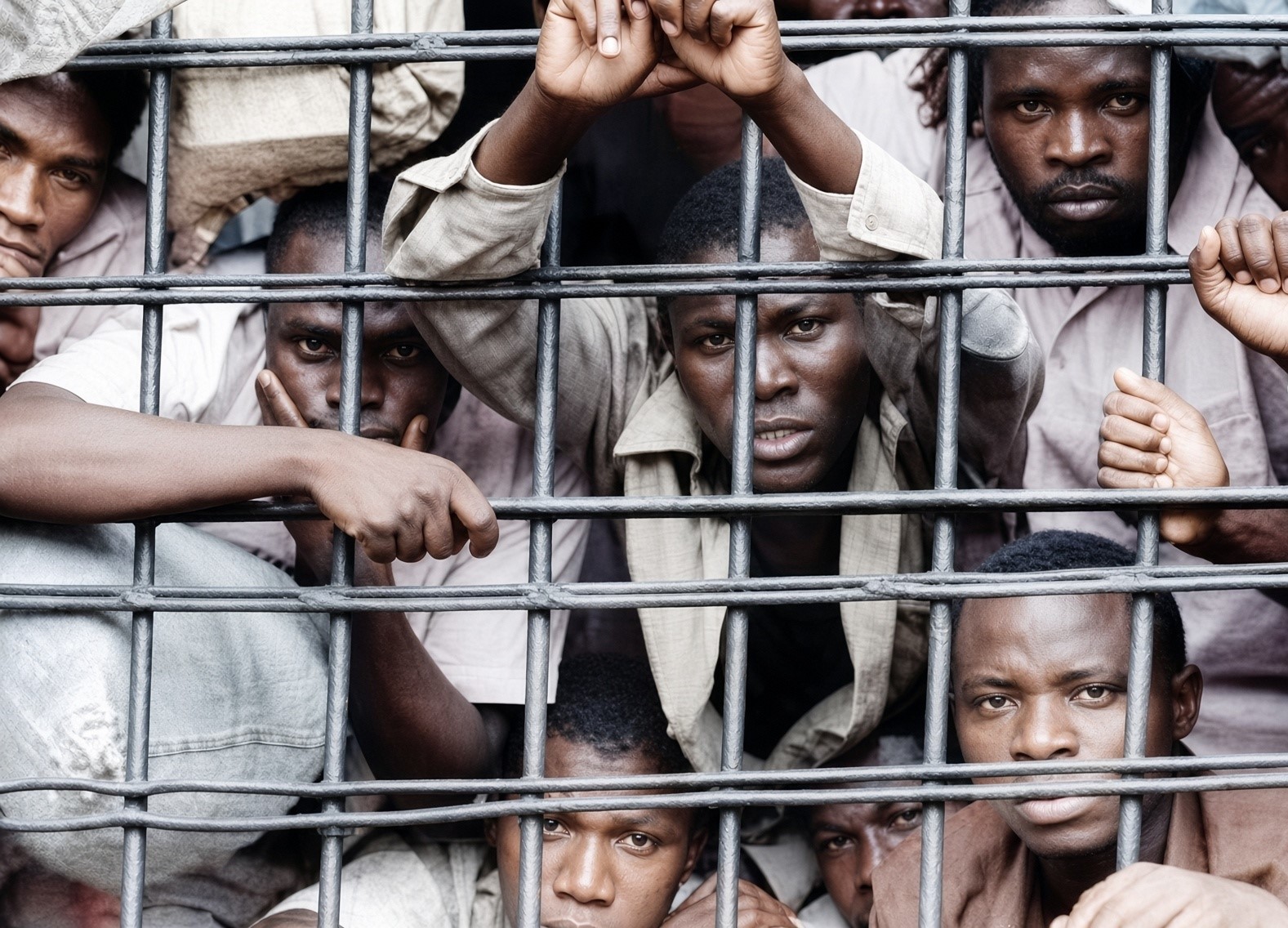
The White House has rejected the allegations and defended the tariffs as lawful. The spokesman, Kush Desai said the failure of foreign governments to effectively prohibit goods made with forced labour constituted an unreasonable practice that harmed US businesses and workers.
Trump has continued to make tariffs a key part of his economic strategy despite repeated legal challenges. His administration has argued that import duties can encourage domestic manufacturing, protect American workers and strengthen Washington’s bargaining position with trading partners.