

Soyuz MS-29 restores crewed launches from repaired Baikonur pad, delivers crew to ISS
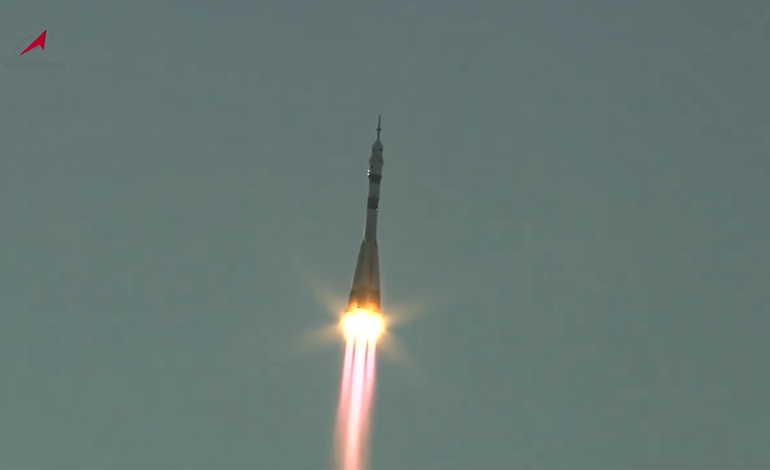
Soyuz MS-29. (Image courtesy: X/@Space_Station)

New Delhi: The International Space Station (ISS) welcomed three new crew members on Tuesday after a Russian Soyuz spacecraft completed a rapid journey from Kazakhstan, adding fresh personnel to the orbiting laboratory for an eight-month scientific mission. The arrival of Nasa astronaut Anil Menon and Russian cosmonauts Pyotr Dubrov and Anna Kikina comes as the United States and Russia continue to cooperate in space despite strained political ties.
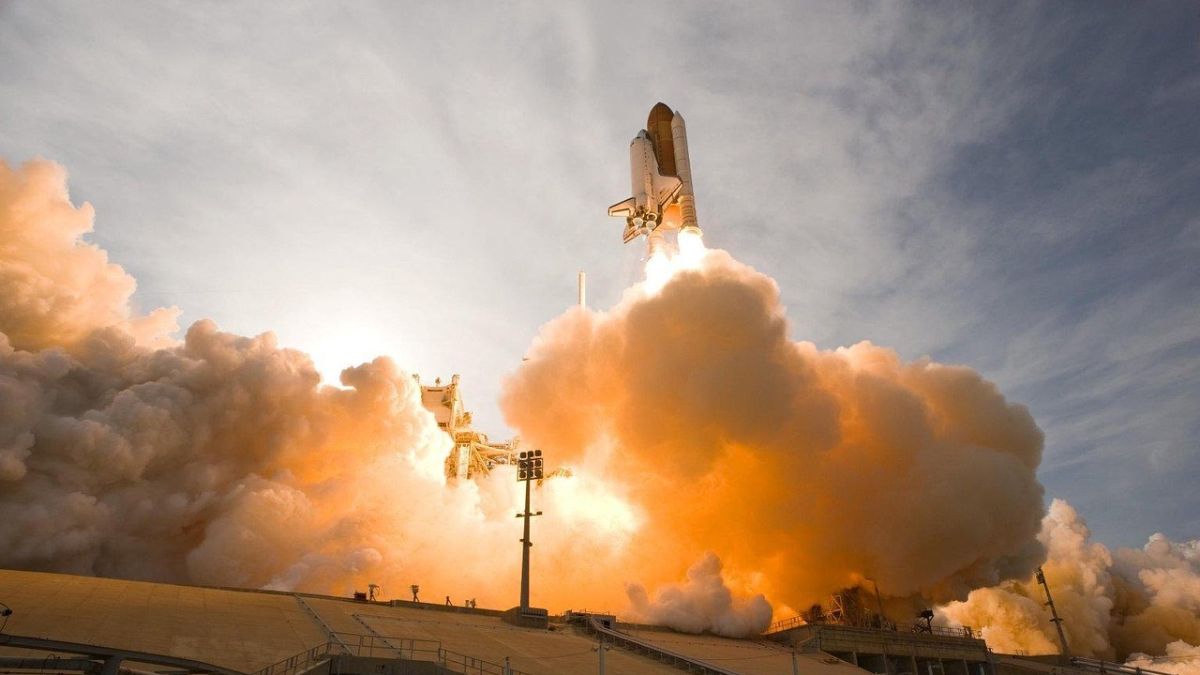
The Soyuz MS-29 spacecraft blasted off from the Baikonur Cosmodrome at 1447 GMT before docking with the ISS just over three hours later. With the successful arrival, trio joined seven astronauts and cosmonauts already aboard the ISS, taking the station’s crew strength to 10.
For Menon, the mission marks his first journey into space after years of serving as a military officer, physician and pilot before joining Nasa. Dubrov and Kikina are both returning to orbit for a second time, with Kikina remaining a prominent figure in US-Russia space cooperation after flying to the ISS aboard a SpaceX Crew Dragon mission in 2022 under the seat-exchange programme.
The launch also carried diplomatic significance beyond its scientific objectives. Nasa Administrator Jared Isaacman attended the mission alongside Roscosmos director Dmitry Bakanov at Baikonur, becoming the first Nasa chief to witness a launch from the Russian spaceport since 2018. On Monday, Isaacman congratulated the crew in a post on X, wishing them a successful expedition as they begin their mission aboard the International Space Station.
Human spaceflight remains one of the few areas where Washington and Moscow continue to work together despite years of tensions following Russia’s invasion of Ukraine. The ISS depends on contributions from both partners, with Russian systems responsible for orbital manoeuvres while US-built solar arrays provide electrical power across the station.
Even as cooperation continues, the ageing orbital outpost has presented engineering challenges. Repeated air leaks in parts of the Russian segment have required extensive inspections and repair efforts, occasionally exposing differences between Nasa and Roscosmos over technical approaches while both agencies prioritise crew safety.
The ISS is expected to continue operations until around 2030 before being decommissioned. Discussions between officials from Nasa and Roscosmos are likely to focus on ensuring the station remains safe and operational during its remaining years while both countries pursue future human spaceflight programmes.
Tuesday’s launch was also significant because it restored regular crewed missions from Baikonur’s Site 31, which had undergone months of repairs after suffering damage during an earlier Soyuz launch. The launch complex returned to service with an uncrewed cargo mission earlier this year before successfully supporting the Soyuz MS-29 flight.