

Modi commissions stealth frigate Dunagiri, survey vessel Sanshodhak, and ASW craft Agray into Indian Navy
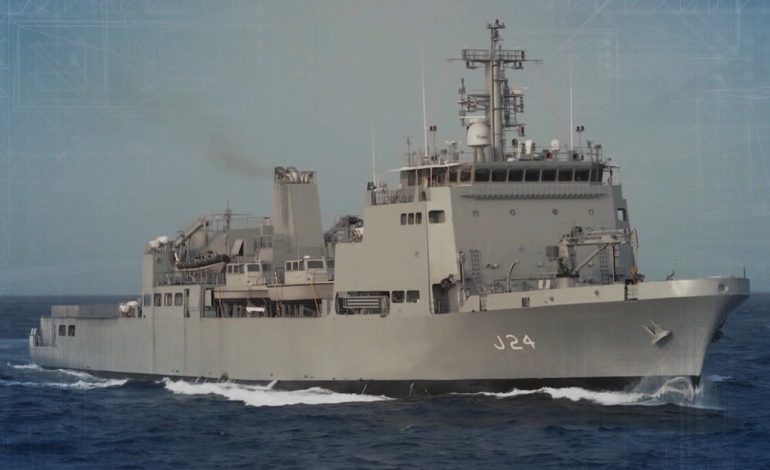
INS Sanshodhak.

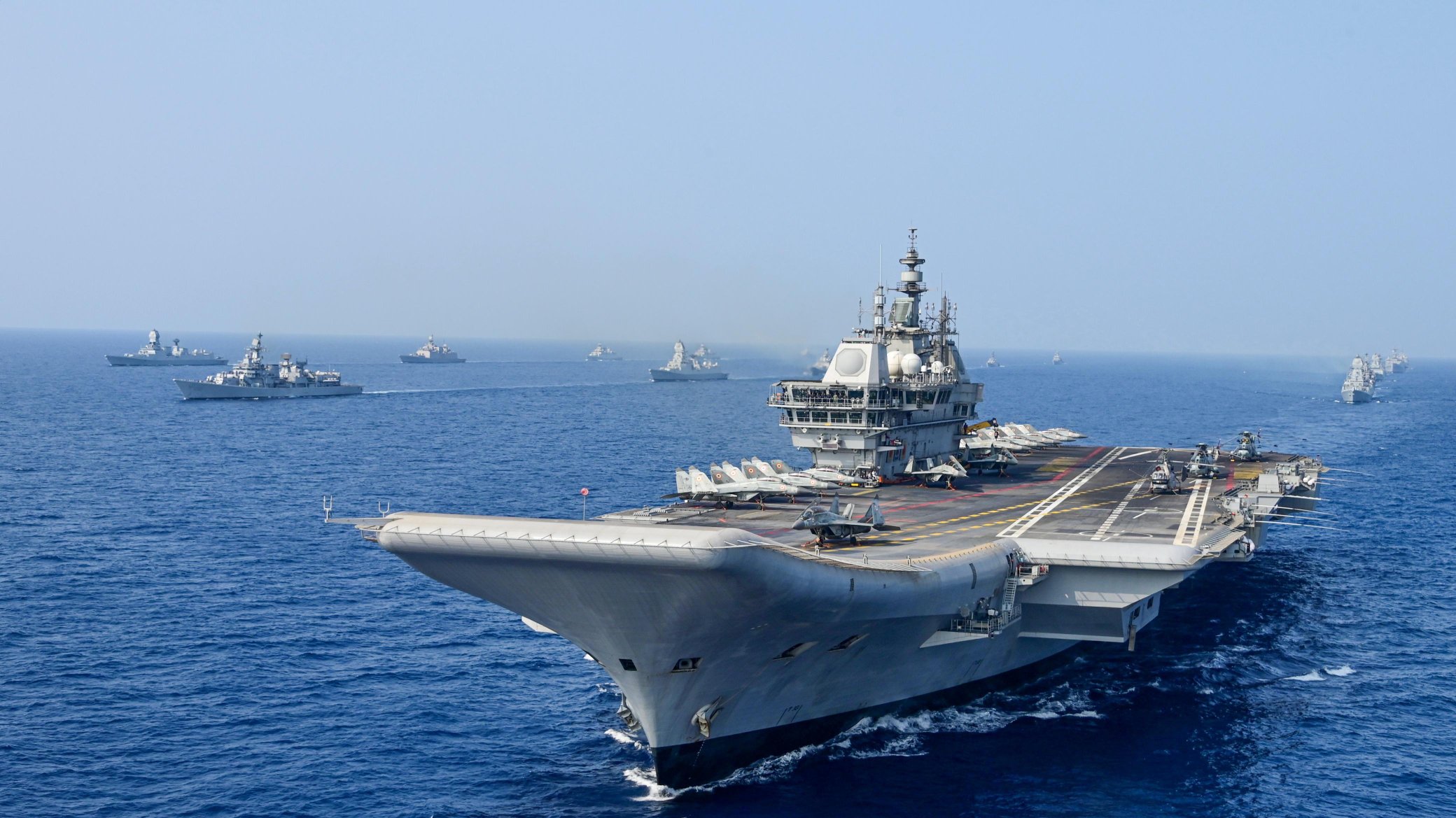
New Delhi: The prime minister, Narendra Modi, on Sunday commissioned three indigenously designed and built naval platforms into the Indian Navy at the Syama Prasad Mookerjee Port in Kolkata – the stealth frigate Dunagiri, the survey vessel (large) Sanshodhak, and the anti-submarine warfare shallow-water craft Agray.
All three were designed by the Navy’s Warship Design Bureau and built by Garden Reach Shipbuilders & Engineers (GRSE), Kolkata, with indigenous content exceeding 75% across the platforms and contributions from more than 200 micro, small and medium enterprises in their construction.
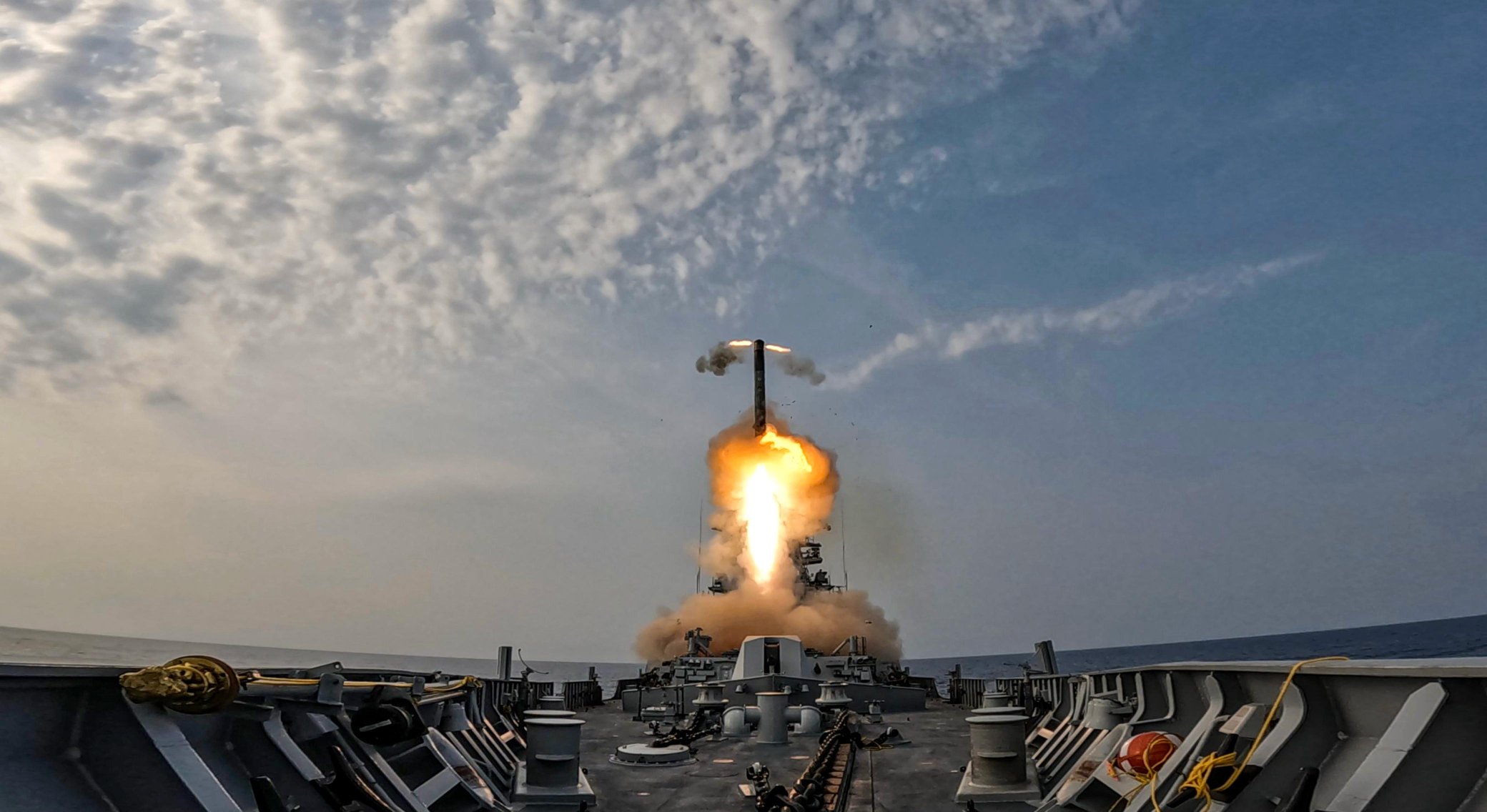
Dunagiri, the fifth Project 17A stealth frigate, carries BrahMos surface-to-surface missiles and the medium range surface-to-air missile system. The Project 17A programme – informally referred to as the Nilgiri-class – has been split between Mazagon Dock Shipbuilders in Mumbai and GRSE, with the Kolkata yard building the remainder of the class.
Sanshodhak, the fourth Sandhayak-class hydrographic survey vessel, is built for coastal and deep-water hydrographic surveys and carries autonomous underwater vehicles and remotely operated vehicles for oceanographic and geophysical data collection.
Agray, the fourth Arnala-class anti-submarine warfare shallow-water craft, is fitted with lightweight torpedoes and indigenous rocket launchers for littoral operations.
The navy chief, Admiral Krishna Swaminathan, who attended along with the West Bengal governor, RN Ravi, and the chief minister, Suvendu Adhikari, set Sunday’s commissioning in a wider context, noting it came barely 17 months after the first tri-commissioning by a prime minister in independent India’s history, held in Mumbai last year. He said Dunagiri had been built in about 33% less time than the previous ship in its class.
Sanshodhak’s induction on World Hydrography Day added to the occasion’s significance, he said, with the vessel expected to extend hydrographic support to partner nations’ maritime economies in line with Modi’s MAHASAGAR outreach vision.
On Agray, Adm Swaminathan called the programme a model of public-private partnership, noting that building some vessels of the class at private shipyards had made better use of domestic capacity while cutting construction time. He also thanked the veterans present who had served on the earlier Dunagiri and Agray, along with the defence ministry, the West Bengal government, GRSE’s project team, and the naval and command headquarters and warship overseeing teams involved in the three ships’ construction.
In his address, Modi said maritime strength underpins both economic and strategic influence, and that the maritime sector is not an isolated one but the employment engine of a developed India. He linked the commissioning to the broader self-reliance push, saying that when the indigenous aircraft carrier Vikrant was commissioned, India had announced its shipbuilding capability to the world, and these three warships carried that journey of self-reliance further. He added that the country was moving from being a buyer to a builder, noting that defence exports had risen from around ₹700 crore in 2014 to ₹40,000 crore today, reaching more than 80 countries.
Modi also referred to a ₹70,000-crore incentive package for the shipbuilding sector, calling it an investment in the country’s maritime future, and pointed to the Sagarmala programme’s role in port modernization, noting that average ship turnaround time at Indian ports had fallen from two days before 2014 to under one day now. He put the wider picture in numbers too: more than 40 made-in-India warships and submarines have joined the Navy in recent years, with 45 large naval platforms currently under construction. The three vessels were delivered together by GRSE on March 30, ahead of Sunday’s formal commissioning – a gap not uncommon for Indian warship induction, where sea trials and crew workup typically precede the ceremony by weeks or months.