US Sinks 7 Iranian ‘Small Boats’ Within Hours Of Project Freedom Launch; Trump Claims ‘It’s All They Have Left’
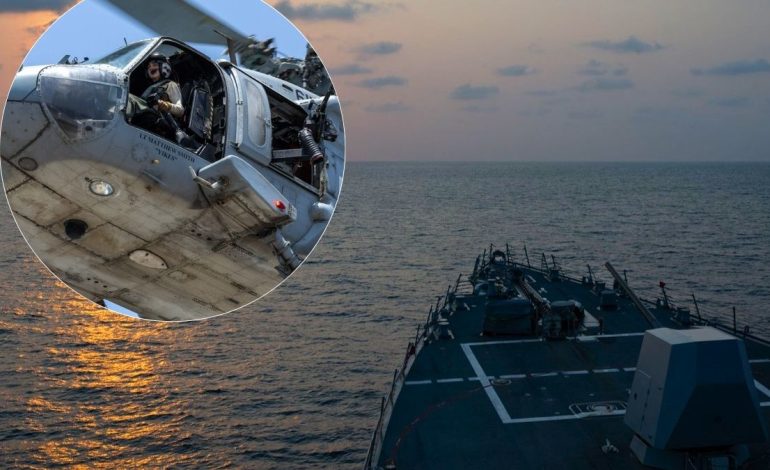
US forces have destroyed multiple Iranian “small boats" in the Strait of Hormuz amid escalating tensions after Trump announced 'Project Freedom'. Image courtesy: RNA

What was described as a mission to safeguard stranded ships is appearing to turn into a direct confrontation in one of the world’s most volatile waterways. US President Donald Trump’s ‘Project Freedom’, launched on Monday (May 4, 2026) to guide stranded vessels through the Strait of Hormuz, has now entered a more aggressive phase.
Within a few hours of the project being announced as a “humanitarian gesture on behalf of the US”, Trump claimed that American forces targeted and destroyed Iranian boats for interfering with maritime traffic.
In a post on Truth Social, US President Trump said, “Iran has taken some shots at unrelated Nations with respect to the Ship Movement, PROJECT FREEDOM, including a South Korean Cargo Ship. Perhaps it’s time for South Korea to come and join the mission! We’ve shot down seven small Boats or, as they like to call them, “fast” Boats. It’s all they have left.”

Project Freedom: Shifting from protection to confrontation?
The latest strikes seem to suggest so. According to US Central Command, American forces sank at least 6 Iranian “small boats” that were allegedly attempting to disrupt ships navigating the strait. Trump, in characteristic fashion, went a step further, claiming that 7 “fast boats” had been destroyed, dismissing them as Iran’s last remaining capability in the region.
The immediate trigger appears to be a series of reported Iranian actions against commercial shipping. Among the most notable incidents was an alleged attack on a South Korean cargo vessel, along with threats to a UAE-linked tanker. Trump seized on these developments to justify the US response, even calling on South Korea to join the mission.
He claimed that “other than the South Korean Ship, there has been, at this moment, no damage going through the Strait.” Secretary of War Pete Hegseth and Chairman of the Joint Chiefs of Staff, Dan Caine, will have a News Conference tomorrow morning, Trump added further.
CENTCOM, in a X post, said, US Navy MH-60 Sea Hawk helicopters are supporting Project Freedom in and near the Strait of Hormuz. “Earlier today, Sea Hawk and US Army AH-64 Apache helicopters were used to eliminate Iranian small boats threatening commercial shipping,” it shared.
Iran, however, has rejected these claims, denying losses and insisting that it retains full control over the strait. It has also reiterated its warning that any vessel passing through without its approval could be targeted.
How critical is the Strait of Hormuz to global trade?
Few waterways carry as much strategic weight. The Strait of Hormuz handles a significant share of the world’s oil and gas shipments, making it a lifeline for global energy markets. Any disruption here reverberates far beyond the region, affecting fuel prices, supply chains, and economic stability worldwide.
The ongoing confrontation has already forced several vessels to reroute, while others remain stranded, awaiting safe passage. Insurance costs have surged, and shipping companies are recalculating risks in real time.
Project Freedom was conceived as a way to break this paralysis. While announcing the project, Trump declared that the US will begin guiding “neutral and innocent” ships out of restricted waters marks a significant escalation in Washington’s response to the crisis. He called it a “humanitarian gesture on behalf of the US”.
Meanwhile, Trump described part of what he called “Project Freedom” in humanitarian terms, designed to aid stranded seafarers, many on oil tankers or cargo ships, have been stuck in the Persian Gulf since the war began. He even framed stranded seafarers as “victims of circumstance”.