
Nine Indian fishermen held as Sri Lankan Navy cracks down on illegal fishing
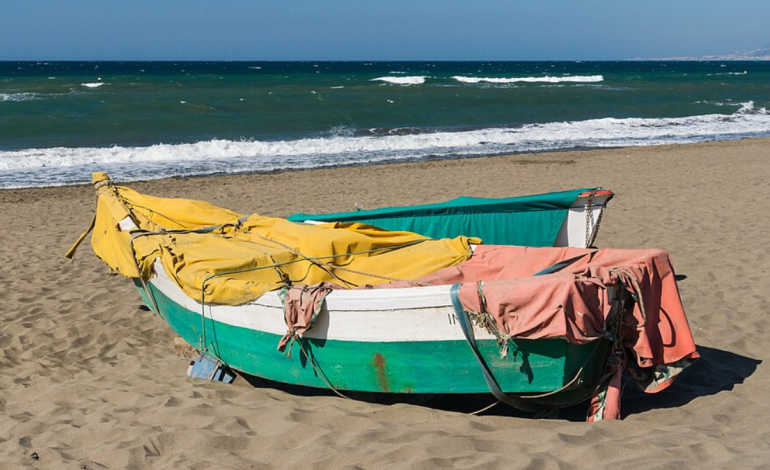
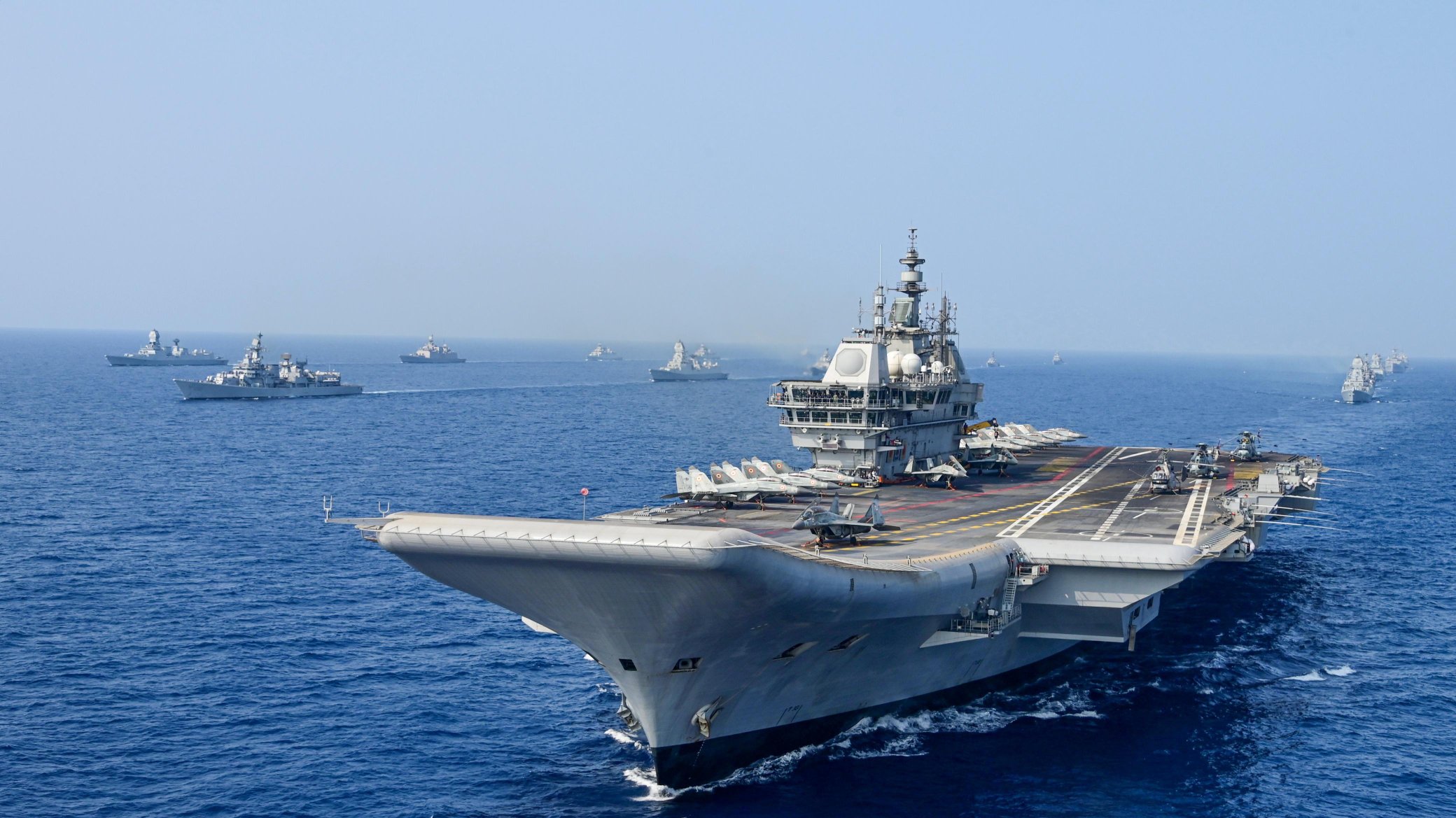
Representational image. (Image courtesy: Wikimedia)

New Delhi: The Sri Lankan navy, has detained nine Indian fishermen and confiscated their fishing trawler after they were allegedly found fishing inside Sri Lankan waters near Talaimannar. The action was taken during a routine maritime surveillance operation aimed at preventing illegal fishing in the country’s territorial waters.
According to the Sri Lankan navy, the fishermen were intercepted after their vessel allegedly crossed the International Maritime Boundary Line (IMBL). Following the operation, the crew and the seized trawler were handed over to fisheries officials in Mannar for further legal proceedings under Sri Lankan law.
According to media reports, the Sri Lankan navy said more than 50 Indian fishing boats were detected operating in Sri Lankan waters south of Iranativu during the surveillance mission. The latest detention is part of Sri Lanka’s continued crackdown on what it describes as unauthorized fishing by foreign vessels.
Official figures released by the Sri Lankan navy indicate that 128 Indian fishermen and 18 Indian fishing trawlers have been detained so far this year on allegations of illegal fishing in Sri Lankan waters.
The issue remains a sensitive bilateral concern, with arrests of Indian fishermen occurring regularly in the Palk Strait. The narrow stretch of water separating Tamil Nadu and Sri Lanka has long been a source of friction because fishing grounds lie close to the maritime boundary.
Many fishermen from Tamil Nadu’s Rameswaram coast venture towards waters near Talaimannar and Katchatheevu in search of better catches, often leading to allegations that they have crossed the IMBL. Indian fishermen say declining fish stocks on the Indian side force them to venture farther into the sea.
The dispute intensified after Sri Lanka strengthened maritime enforcement following the end of its civil war in 2009. During the conflict, naval patrolling in several areas was comparatively limited, allowing Indian trawlers greater access to fishing grounds that are now closely monitored.
The fishermen issue, however, remains unresolved despite periodic diplomatic talks and joint working group meetings between New Delhi and Colombo with both the countries continuing to see periodic detentions of fishermen for allegedly crossing the maritime boundary.