


Nepal floods update: Death toll hits 165, over 1,300 missing as eyewitness describes scenes of devastation
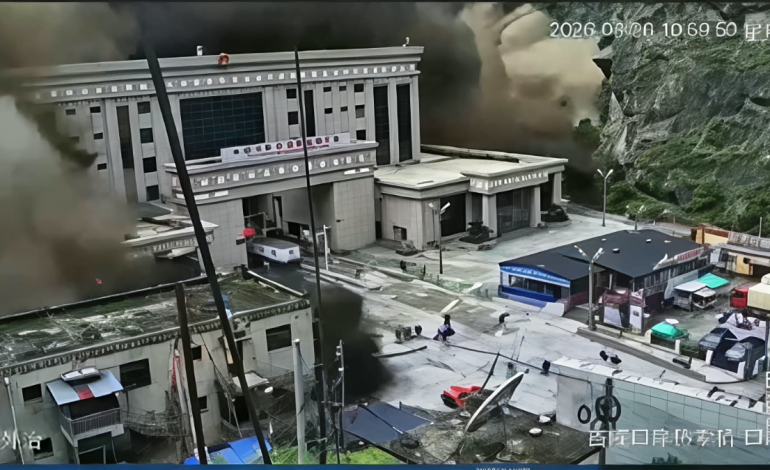
Screenshot from a video shared by X/@ShashiTharoor

New Delhi: The death toll from the deadly floods in Nepal has climbed to 165, while more than 1,300 people are reported missing across Nepal and Tibet, with search operations underway in the worst-hit areas along the border. Nepal has recorded 826 missing people, while Chinese authorities have reported 558 missing in Tibet, making the disaster one of the region’s deadliest recent flood emergencies.
The latest figures were released as Nepal intensified search-and-rescue operations and the Nepali prime minister, Balendra Shah, travelled to flood-hit Nuwakot for an on-ground assessment of the damage. India, meanwhile, has stepped up humanitarian assistance, with external affairs minister, S Jaishankar, announcing that a second flight carrying 37.5 tonnes of relief material, medicines and food packets had departed for Nepal.
Nepal’s national disaster risk reduction and management authority said 165 bodies have been recovered from flood-affected areas, while hundreds of people remain unaccounted for. The missing include civilians as well as security personnel involved in operations in the affected region.
The Nepal tourism board has separately said 579 travellers remain out of contact, including 466 foreign nationals and 113 Nepalis. More than 100 people have been evacuated from some of the worst-hit areas by helicopter as rescue teams work to reach communities cut off by damaged roads and infrastructure.
On the Tibetan side, three people have died and 558 remain missing after a mudslide near Gyirong triggered flash flooding, Reuters reported, citing China’s state broadcaster CCTV. Of those missing, 260 are foreign nationals, while two villagers have been rescued. Chinese authorities have also identified a dammed lake upstream as a potential additional risk and stepped up monitoring to prevent further incidents.
What caused the devastating floods in Nepal?
The US Geological Survey (USGS) has revised its assessment of the event, saying the seismic activity initially reported as a 4.4-magnitude earthquake was actually caused by a glacial collapse and debris flow. The USGS said analysis of seismic data and satellite imagery showed that no earthquake had occurred. It also revised the magnitude associated with the seismic event to 5.2.
The collapse sent a huge volume of water, ice, mud and debris downstream, causing widespread destruction in Nepal’s Rasuwa region and surrounding areas. The surge damaged settlements, roads, bridges and other infrastructure along the river system.
The embassy of India in Nepal also said on X that ambassador Naveen Srivastava handed over 10 tonnes of humanitarian aid to Nepal’s minister for culture, tourism and civil aviation, Khadka Raj Poudel. The embassy said the material would contribute to relief efforts following the floods.
RNA Media had earlier reported on India’s initial relief effort, including the dispatch of 10 tonnes of emergency supplies and New Delhi’s coordination with Kathmandu after the disaster.
Nepal PM Balendra Shah heads to Nuwakot
The Nepal prime minister, Balendra Shah, travelled by road to flood-hit Nuwakot at around 9.30am on Thursday for an assessment of the situation on the ground.
According to Nepal’s prime minister’s office, Shah, is inspecting affected and surrounding areas and receiving briefings on the physical damage caused by the floods. He is also expected to meet local administrators, security personnel and public representatives to discuss immediate relief, restoration work and the reopening of blocked infrastructure.
Nepal’s security forces continue to lead the rescue operation, with helicopters being used to evacuate people from areas that remain difficult to reach by road.
Eyewitness describes devastation in Rasuwa
Nepal News reported an eyewitness account from Gopal Dahal of Kalika Rural Municipality-3, who described hearing reports that Timure had been devastated before rushing towards the affected area.
According to reports, a powerful roar was followed by a torrent that appeared to sweep through the area like a massive whirlpool. The eyewitness said the flood destroyed parts of Timure, Betrawati and Trishuli Bazaar before continuing towards Rasuwagadhi.
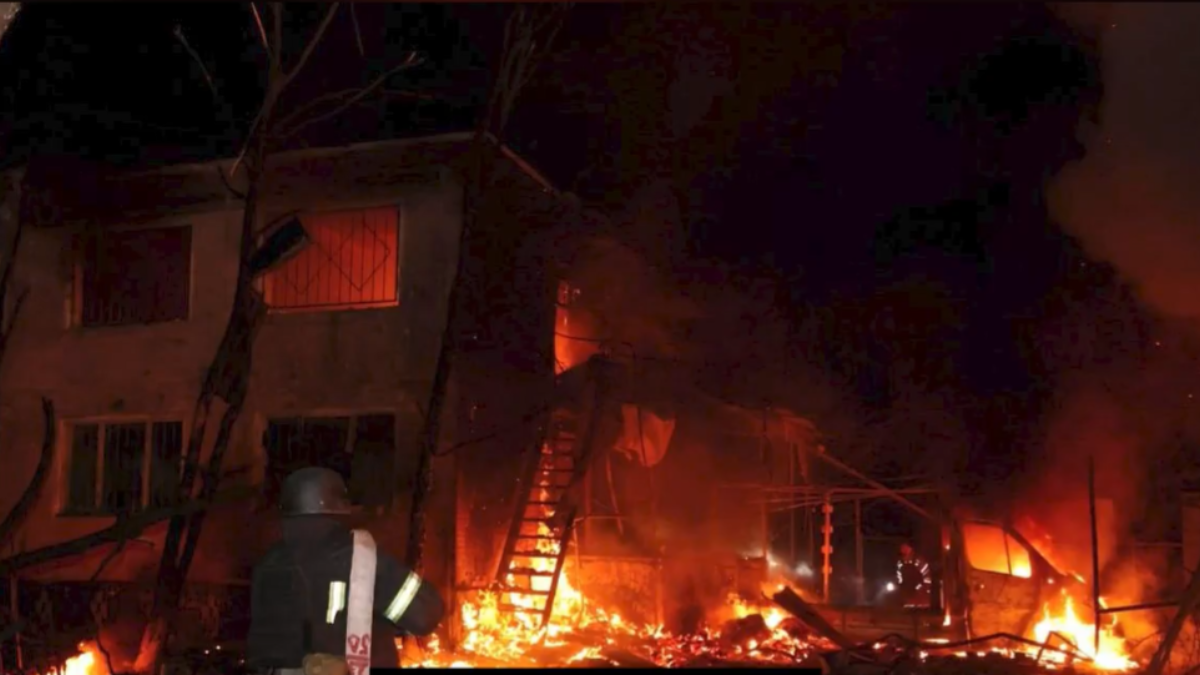
Markets, settlements, roads and buildings were swept away, while an Nepal army barracks, Nepal police force office and a school were also reportedly affected. Roads in several directions were blocked, leaving people dependent on helicopters to reach or leave some areas.
The eyewitness also said the water continued to flow and residents remained frightened because they had never witnessed flooding on such a scale.
China rejects dam-collapse allegation
China has rejected claims that the disaster was caused by the collapse of a dam on the Chinese side of the border. The Chinese embassy in Nepal said such allegations would not help the situation and called for cooperation focused on saving lives. The statement came as Chinese authorities conducted their own rescue operations in Tibet following the glacial collapse and resulting mudslides.
India monitors border impact
The floods have also kept authorities in India’s border states on alert as water levels and downstream flows are monitored. The home ministry said it was closely watching the situation amid concerns that rising water levels could affect areas along the India-Nepal border, particularly in Bihar and Uttar Pradesh.
RNA Media had earlier reported on the precautionary measures in Bihar and Uttar Pradesh as authorities monitored the Gandak river system and prepared for possible downstream effects from the Nepal floods.
In Uttarakhand, SDRF has placed its Tanakpur post in Champawat district on high alert. Teams are monitoring the Sharda River, Sharda Barrage and other vulnerable locations while warning residents, travellers and fishermen to stay away from riverbanks.
Officials said rescue personnel and essential equipment remain ready for immediate deployment if water levels rise or another emergency develops.
US announces $500,000 emergency aid
The international response has also expanded as the scale of the disaster has become clearer. The United States has announced $500,000 in emergency assistance for Nepal to support relief and rescue operations. Washington has also said it will deploy a disaster response adviser to the region.
The US secretary of state, Marco Rubio, expressed solidarity with Nepal and the families affected by the disaster.
The European Union has also activated its emergency management service to provide satellite-based mapping of flood-affected areas, helping authorities assess damage and plan rescue and recovery operations. RNA Media had earlier reported the activation of the EU’s satellite service as part of the international response.
Rescue operations continue
With large numbers of people still unaccounted for and several areas difficult to access, Nepal’s rescue teams are continuing searches across the worst-hit districts. Recent events have also highlighted the greater dangers of sudden glacier collapses and debris flows in the Himalayan region, where a catastrophe near the Nepal-Tibet border can quickly impact communities and river systems downstream.
At present, efforts are being made for the rescue and evacuation of the stranded people and supplying food, medicine and other essentials. India has once again assured that it will support Nepal in dealing with this calamity, which is one of the worst in recent times.