
BRICS Summit Day 2 in pictures: Modi’s bilateral meetings and key moments
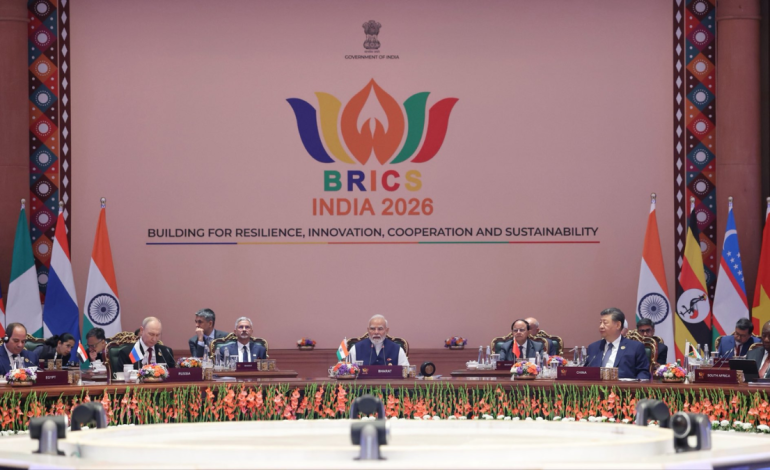
BRICS Summit 2026. (Imager courtesy: X/@MEAIndia)

New Delhi: The prime minister, Narendra Modi, held a series of bilateral meetings with leaders from Asia, Africa and the Middle East as the 18th BRICS Summit entered its concluding phase in New Delhi. From strengthening defence and trade ties to discussing regional developments and priorities of the global south, the final day saw India use the summit platform for wide-ranging diplomatic engagement.
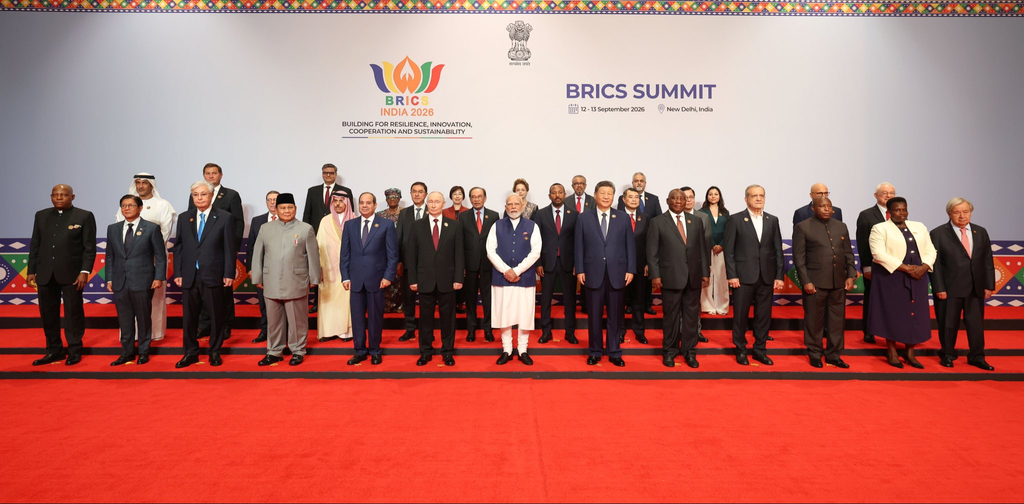
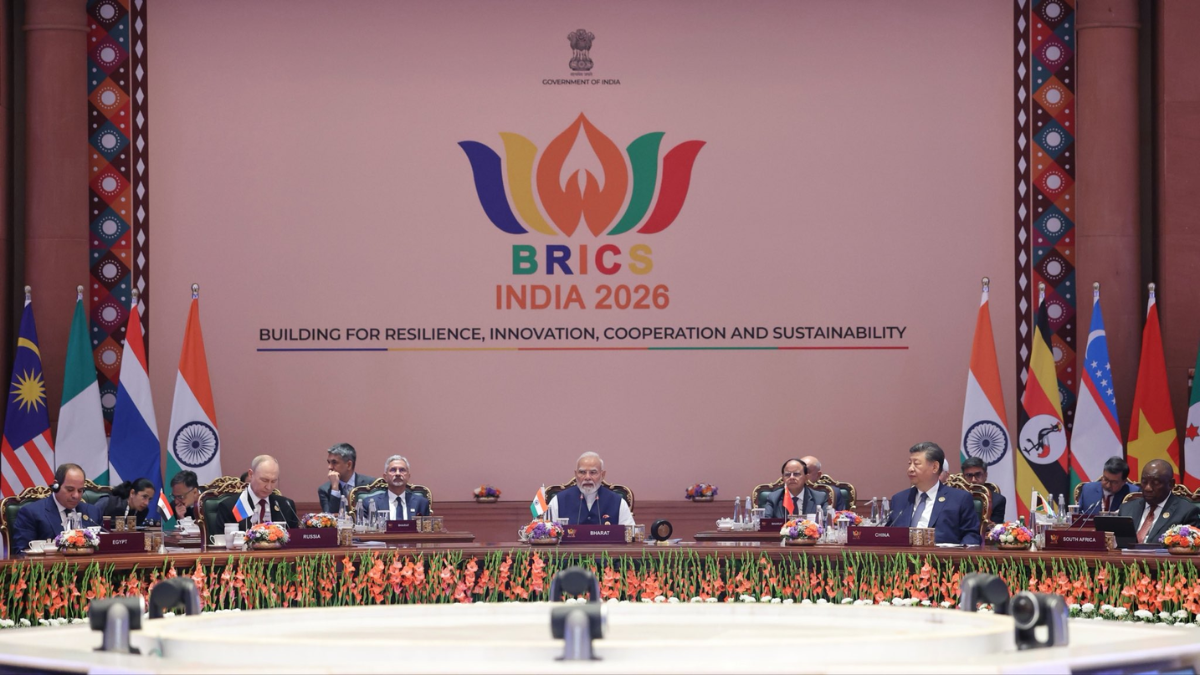
Modi joined the leaders of BRICS member and partner countries, outreach invitees and heads of international organizations for the summit’s family photo, marking a key moment of the gathering in New Delhi. Addressing the session on “Resilience, Innovation, Cooperation and Sustainability: Shaping the Future for Inclusive Global Growth”, Modi called for practical and people-centric cooperation in areas including health, technology, agriculture, skills, MSMEs, clean energy and climate action.
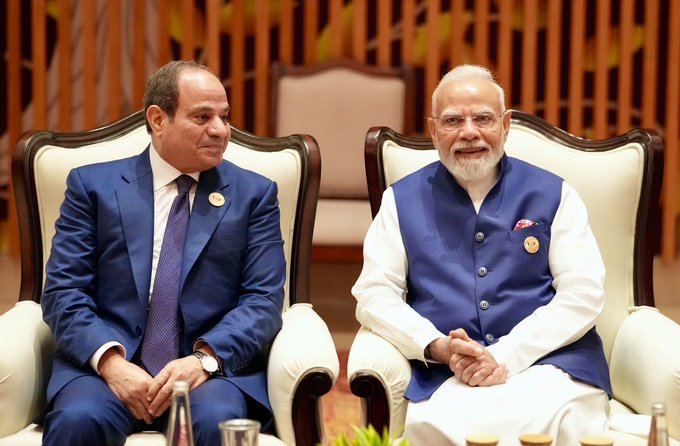
The prime minister later held talks with the Egyptian president, Abdel Fattah El-Sisi, with both sides reviewing the growing momentum in the India-Egypt partnership. Their discussions covered trade and investment, defence and security, technology, connectivity and people-to-people ties, along with regional and global developments and cooperation through BRICS for the wider global south.
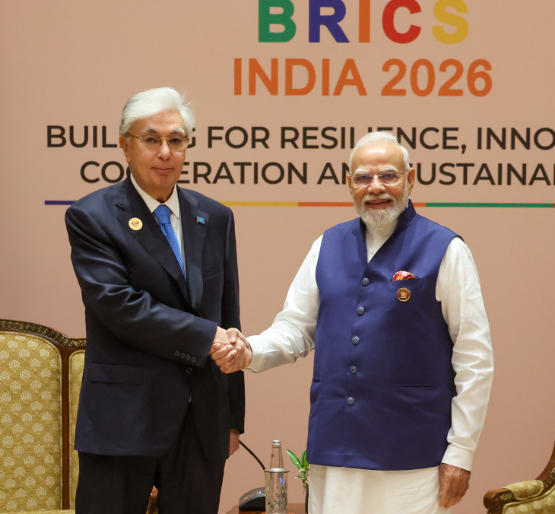
India’s engagement with Central Asia also featured prominently as Modi met Kazakhstan president, Kassym-Jomart Tokayev, on the sidelines of the summit. The two leaders reviewed cooperation spanning trade, defence and security, connectivity, energy, critical minerals, emerging technologies, the creative economy and people-to-people ties, while also exchanging views on regional and international issues.
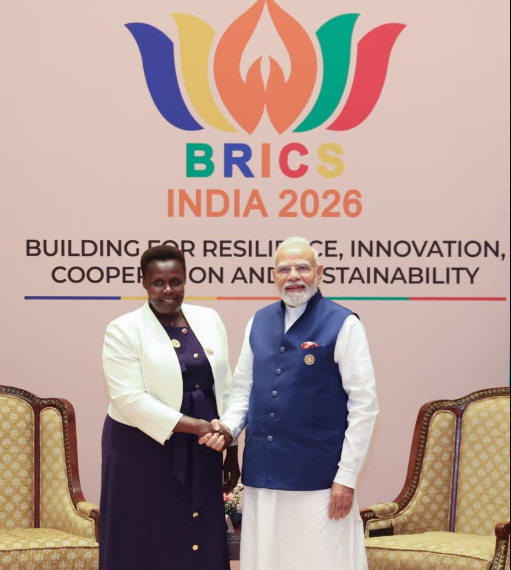
A separate meeting with the Ugandan vice-president, Jessica Rose Epel Alupo, focused on expanding the India-Uganda partnership through technology cooperation, capacity building, knowledge sharing and investment. The two sides also highlighted private-sector collaboration and strong people-to-people links as important pillars of their relationship.
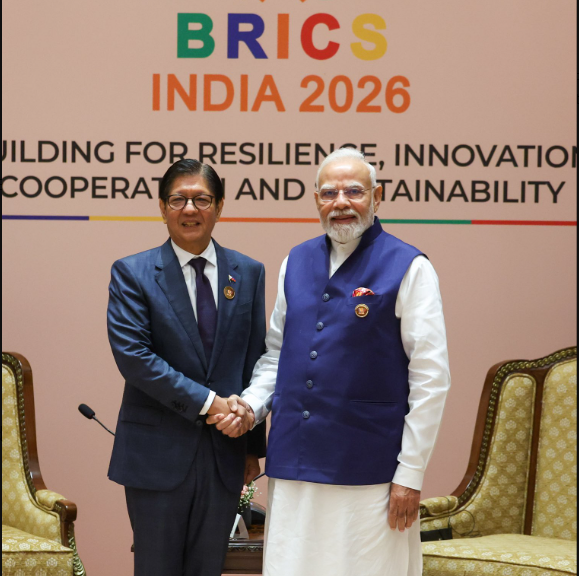
The Philippines was another key partner in Modi’s summit diplomacy, with a meeting with president, Ferdinand R Marcos Jr, covering a broad range of areas. The two leaders discussed defence and security, trade and investment, space, railway infrastructure, fintech, education, tourism, science and technology and innovation, while Modi welcomed Manila’s decision to join the coalition for disaster resilient infrastructure.
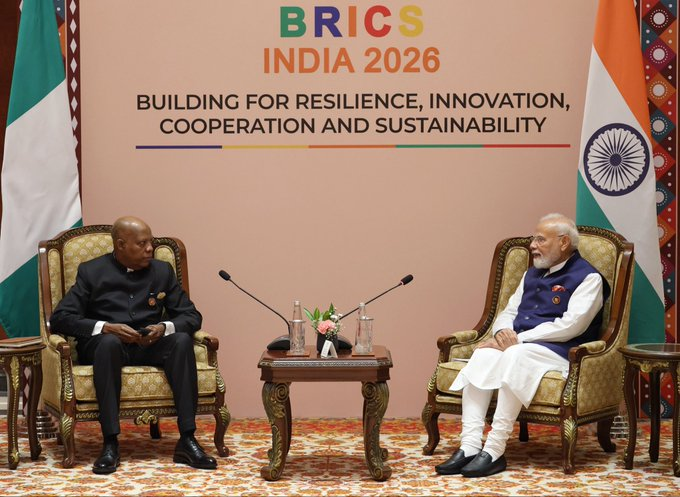
Engagement with Nigeria centred on strengthening the India-Nigeria strategic partnership, as Modi met the vice-president, Kashim Shettima Mustapha. Discussions covered trade and investment, defence and security, energy, agriculture, health and digital technologies, alongside shared priorities on the global south and the push for a more representative, inclusive and multipolar international order.
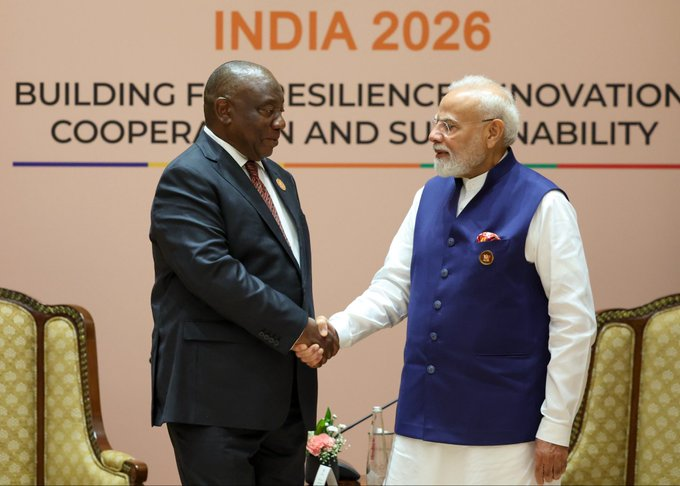
South Africa remained an important part of India’s BRICS outreach as Modi met president, Cyril Ramaphosa. The two leaders reviewed progress across areas of bilateral cooperation and exchanged views on global issues of mutual interest, agreeing to maintain close coordination in multilateral forums.
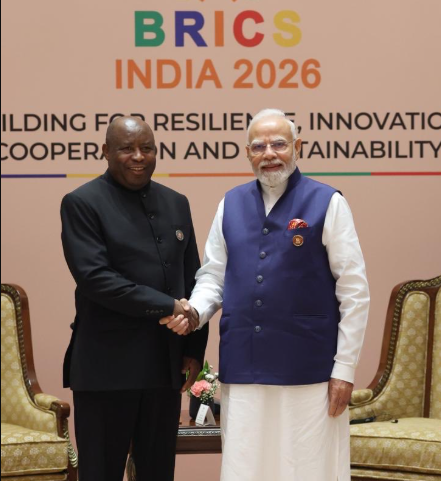
Modi also met Burundi’s president and African Union chairperson, Évariste Ndayishimiye, underlining the growing India-Africa partnership. The leaders discussed the proposed 4th India-Africa forum summit, while also reviewing cooperation in economic development, agricultural modernization, healthcare and capacity building and recalling India’s role in bringing the African Union into the G20 during its 2023 presidency.
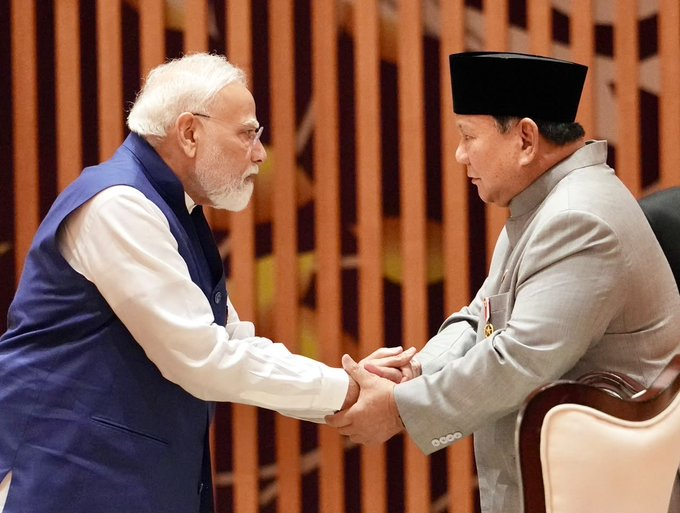
The Indonesia’s president, Prabowo Subianto, was among the leaders with whom Modi held a warm bilateral interaction on the sidelines of the Delhi summit. Modi said the two countries would continue strengthening their partnership across a wide range of sectors, describing the meeting as a positive exchange between the two leaders.
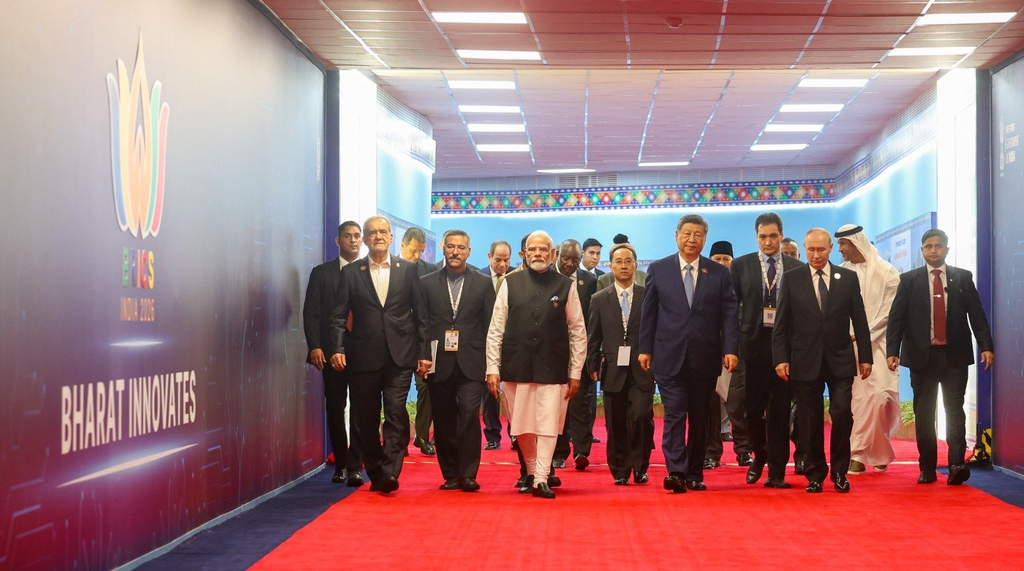
China also used the summit to push its vision for deeper BRICS cooperation, with president Xi Jinping attending the second session and presenting five initiatives. Beijing proposed an open and inclusive artificial intelligence initiative, greater trade and investment facilitation, digital industry cooperation, collaboration on intelligent manufacturing and a science and technology talent development programme, including a proposed BRICS engineer cultivation alliance and youth exchange programme.
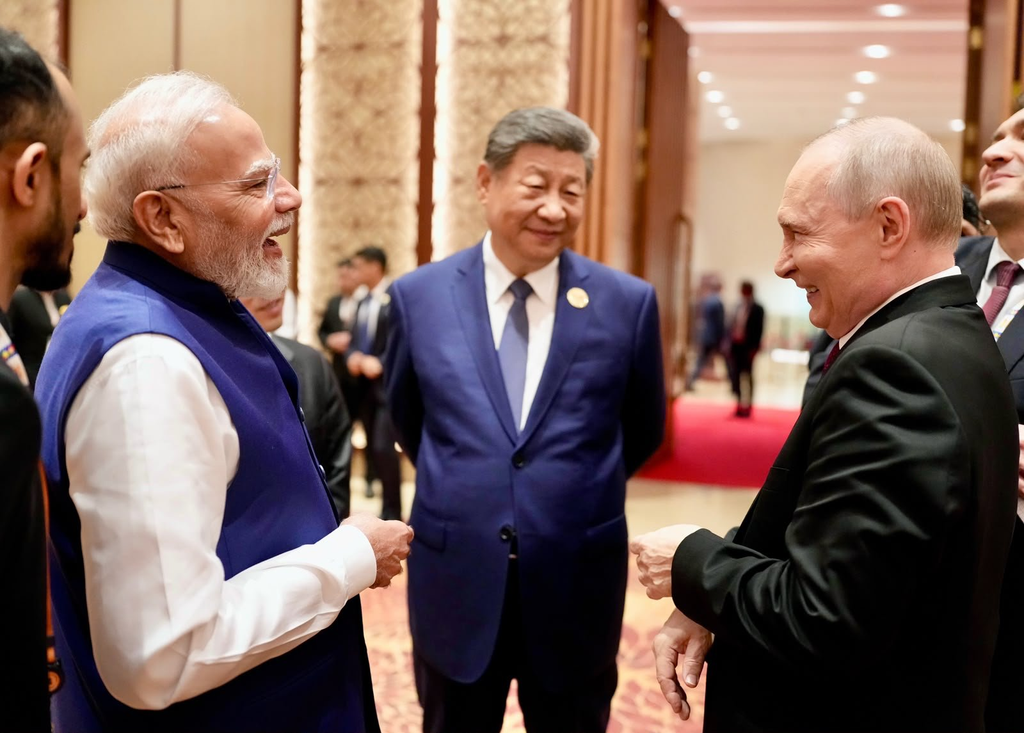
The summit also saw the departure of Russian president, Vladimir Putin, following his participation in the BRICS gathering in New Delhi. Putin’s presence alongside Modi and other leaders remained one of the prominent features of the summit, reflecting the importance of Russia within the grouping and India’s continued engagement with Moscow.
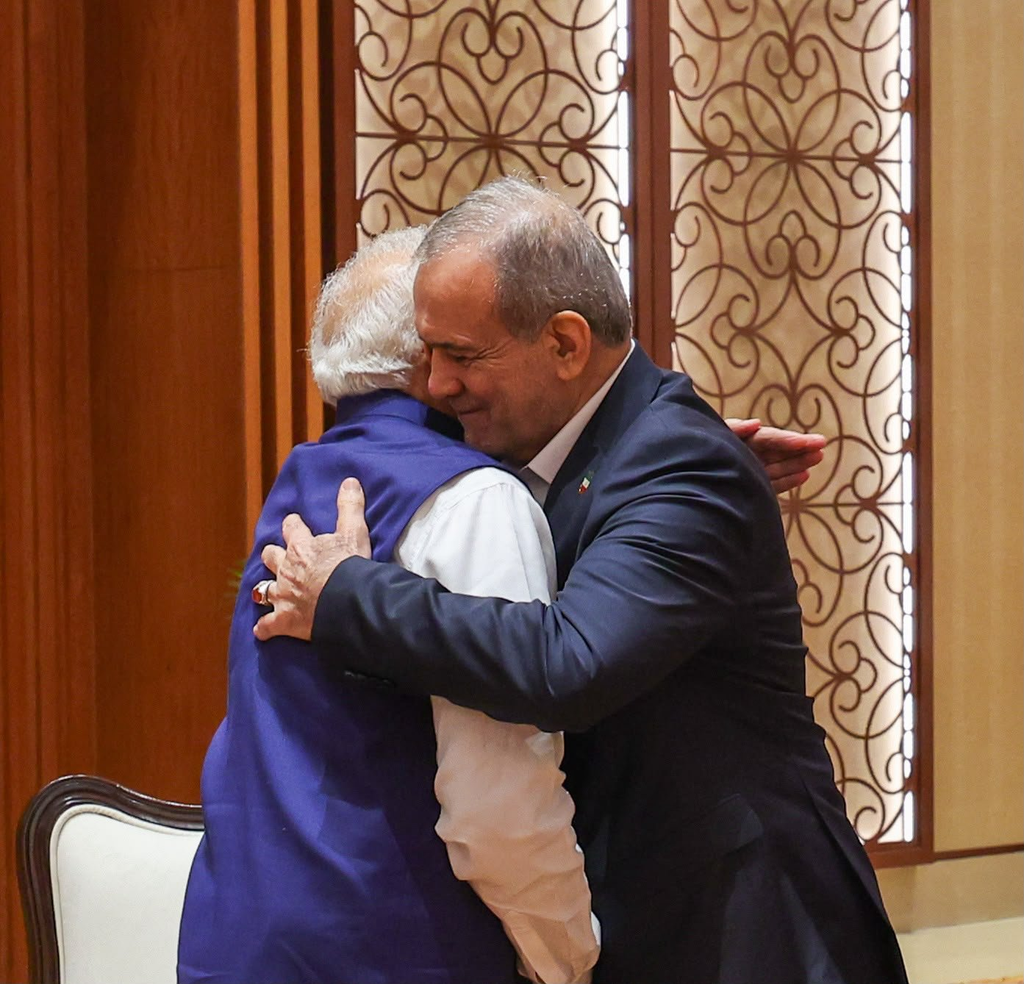
The Iranian president, Masoud Pezeshkian, concluded his India visit with a positive assessment of his diplomatic engagements in New Delhi. Before his departure, Pezeshkian said Iran had discussed future economic cooperation with the crown prince of Abu Dhabi and had brief exchanges with the presidents of Russia and China, adding that a promising outlook was emerging for expanding economic ties.
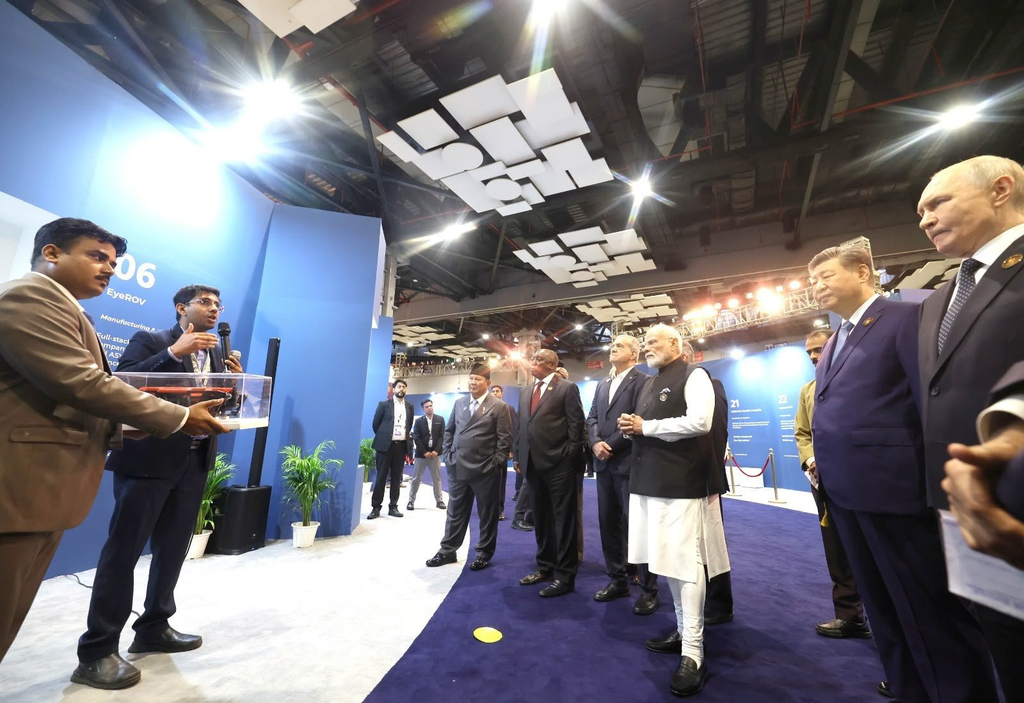
With the summit drawing to a close, India’s BRICS presidency showcased a mix of multilateral diplomacy and intensive bilateral engagement. From defence and connectivity to technology, energy, trade and the wider global south agenda, the final day underlined New Delhi’s effort to position BRICS as a platform for practical cooperation amid a rapidly changing global order.