

Ajit Doval hosts BIMSTEC security chiefs’ meeting with focus on counterterrorism and maritime security
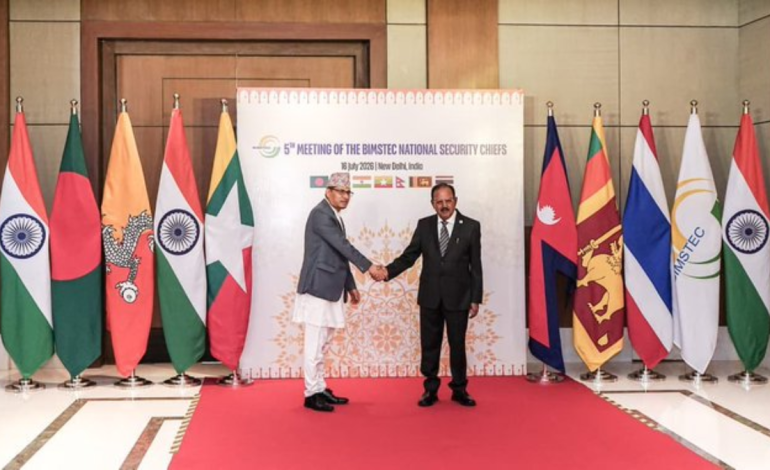
Ajit Doval hosts BIMSTEC security chiefs’ meeting. (Image courtesy: X/@kathmandupati1)

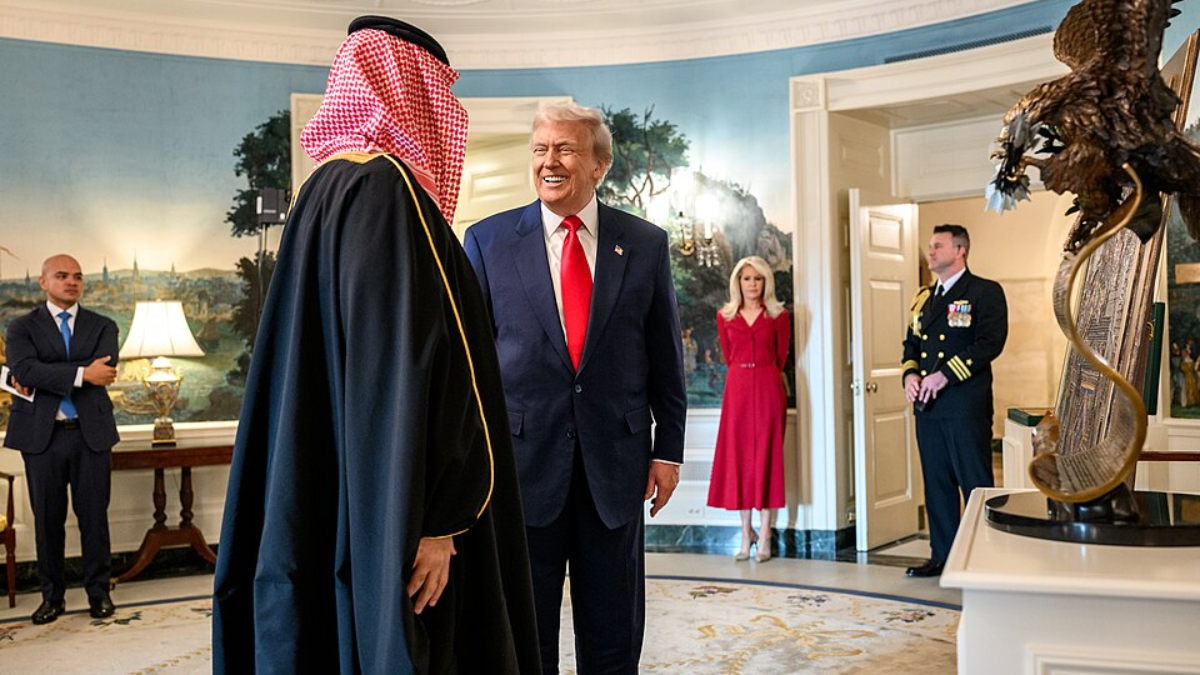
New Delhi: India on Thursday hosted the Fifth Meeting of the BIMSTEC National Security Chiefs here, bringing together top security officials of the Bay of Bengal region to enhance cooperation against evolving threats ranging from terrorism and cyber risks to maritime challenges. The meeting was chaired by the national security advisor, Ajit Doval.
Regional coordination has become increasingly important to address the complex security challenges faced by BIMSTEC countries, as geopolitical tensions, technological disruptions and economic uncertainties continue to shape the security landscape.
Security representatives from Bangladesh, Bhutan, Myanmar, Nepal, Sri Lanka and Thailand participated in the high-level dialogue. The discussions focused on improving intelligence cooperation, enhancing counterterrorism efforts and developing stronger mechanisms to deal with non-traditional security challenges.
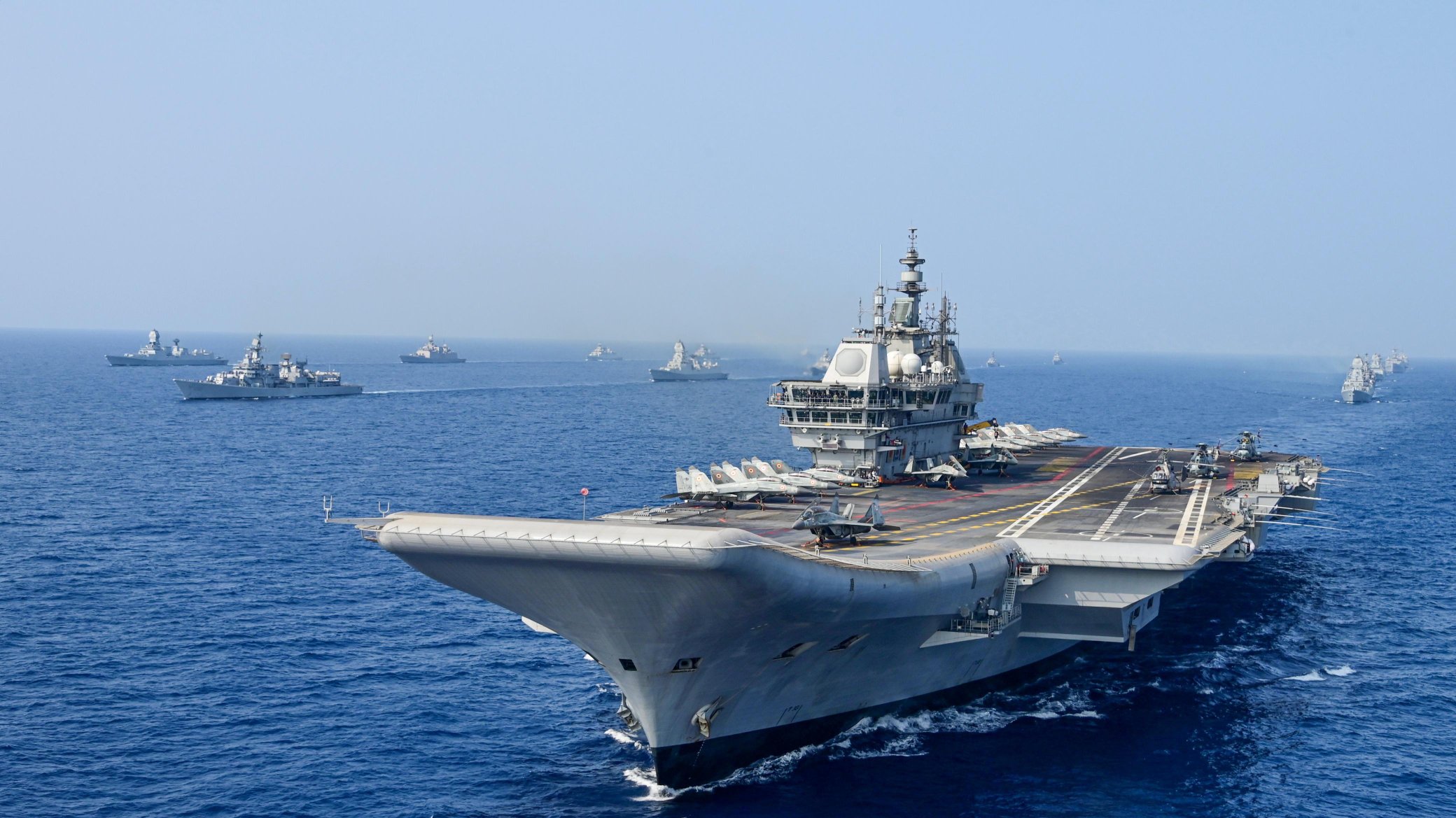
The gathering reflected India’s efforts to use BIMSTEC as a platform for deeper security engagement among nations connected through the Bay of Bengal. With maritime routes, economic links and shared security concerns tying the member states together, the grouping has increasingly focused on building collective responses to regional challenges.
Delegations from member countries included senior officials responsible for national security, defence and internal affairs. Nepal’s delegation was led by the Himalayan republic’s home secretary, Raj Kumar Shrestha, while Thailand’s team was headed by the country’s national security council secretary, General Chatchai Bangchaud. Sri Lanka sent Air Vice Marshal Sampath Thuyacontha, secretary at the defence ministry.
Bangladesh’s delegation included the country’s advisor to the prime minister, Dr Shamsul Islam, and Dhaka’s high commissioner to India, M Riaz Hamidullah. Myanmar was represented by Tin Aung San, minister in the president’s office, while Bhutan participated through its home secretary, Sonam Wangyel, and ambassador major general Vetsop Namgyel.
During the meeting, Doval stressed the need for BIMSTEC nations to increase cooperation across security domains, particularly in areas such as terrorism prevention, cyber defence, organised crime and maritime security. The NSA also pointed towards BIMSTEC’s strategic significance as a bridge between South and Southeast Asia. The seven-member grouping represents around 1.7 billion people and covers regions with major economic and maritime importance.
Established in 1997 through the Bangkok declaration, BIMSTEC has evolved from an economic cooperation forum into a broader regional platform covering security, connectivity, capacity building and economic development. The latest meeting comes as member countries seek to strengthen institutional mechanisms to respond collectively to emerging threats and maintain stability across the Bay of Bengal region.