



Why Adani’s Mumbai airport redevelopment has triggered a dispute with Gulf airlines
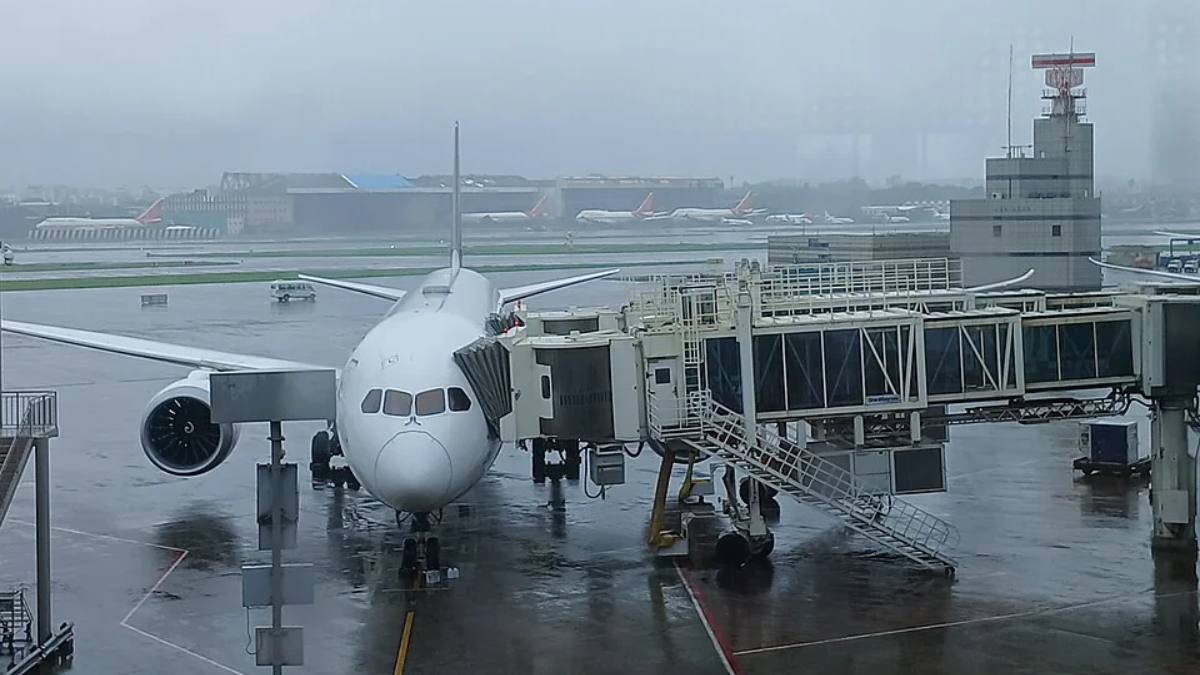
Representational image. (Image courtesy: Wikimedia)

New Delhi: Mumbai airport’s plan to cut its annual passenger-handling capacity by five million passengers has triggered a dispute with 11 Gulf-based airlines. The carriers have approached the Ministry of Civil Aviation (MoCA), opposing the denial of their existing flight slots for the Northern Summer 2027 schedule.
The dispute comes as Chhatrapati Shivaji Maharaj International Airport plans to redevelop Terminal 1B and move some international flight operations to Navi Mumbai International Airport (NMIA). Mumbai International Airport Limited (MIAL), which is run by the Adani Group, has proposed shifting flight operations to manage the transition.
MIAL has denied historical slots to 11 foreign airlines, citing a proposed reduction of five million passengers a year in Mumbai airport’s handling capacity from the Northern Summer 2027 schedule, which begins in late March.
Historical slots are the arrival and departure timings that airlines have operated in previous scheduling seasons. The affected carriers are Gulf Air, Riyadh Air, Air Arabia, Kuwait Airways, Oman Air, Flyadeal, Saudia, Qatar Airways, Jazeera Airways, SalamAir and Flynas.
Why is Mumbai airport reducing its capacity?
The proposed changes are linked to the redevelopment of the North Section of Terminal 1B. MIAL announced in October that work on the 60-year-old infrastructure would begin in January 2027, citing safety concerns and the need for major repairs.
According to the airport operator, about five million of its 55 million annual passengers will be temporarily affected, while 91 per cent of passenger traffic will remain unaffected. The redevelopment is expected to increase Terminal 1’s capacity from 15 million to 20 million passengers a year.
MIAL has said that NMIA will allow it to do the work in phases instead of shutting down the entire terminal.
Why are 14 international destinations involved?
According to a report, the proposed transition covers flights to and from 14 international destinations: Dammam, Riyadh, Muscat, Madinah, Jakarta, Jeddah, Dhaka, Doha, Bahrain, Kathmandu, Kuwait, Ras Al Khaimah, Sharjah and Fujairah.
Indian carriers had earlier identified these destinations for the proposed shift to NMIA. In an October 30 email to the aviation ministry, MIAL argued that operating services to these destinations from one airport would keep flights from being split between Mumbai and Navi Mumbai. It said this would reduce passenger inconvenience and help maintain seamless onward connections.
Why have the Gulf airlines approached the Centre?
The Airline Operators Committee (AOC)-Mumbai has written to the MoCA secretary, Sameer Sinha, seeking clarification on whether the Centre has approved MIAL’s proposal to temporarily withdraw flights to the 14 destinations from Terminal 2, the Indian Express reported.
The committee has asked the ministry to intervene and direct MIAL to reconsider its decision. It has sought protection of eligible historical slots under the ministry’s 2013 slot guidelines and the International Air Transport Association’s Worldwide Airport Slot Guidelines.
The AOC supports the redevelopment of Terminal 1B but has argued that any changes to airport capacity should be made in consultation with affected airlines and under the applicable regulatory framework. It has also raised concerns about the impact on airlines’ existing operating rights.
What happens next?
The dispute now centres on whether MIAL can proceed with the proposed slot changes while airlines keep their eligible historical entitlements. The AOC has asked the Centre to clarify the regulatory position and intervene.
The transition to NMIA is already under way. Air India Group announced on October 25 that Air India Express would begin operating four daily domestic flights from the new airport in December 2026, followed by a phased transfer of selected West Asia services from January 2027. The airline expects the transition to be completed by the Northern Summer 2027 season.