


US grants India tariff relief on select specialty drugs as 100% pharma duty takes effect

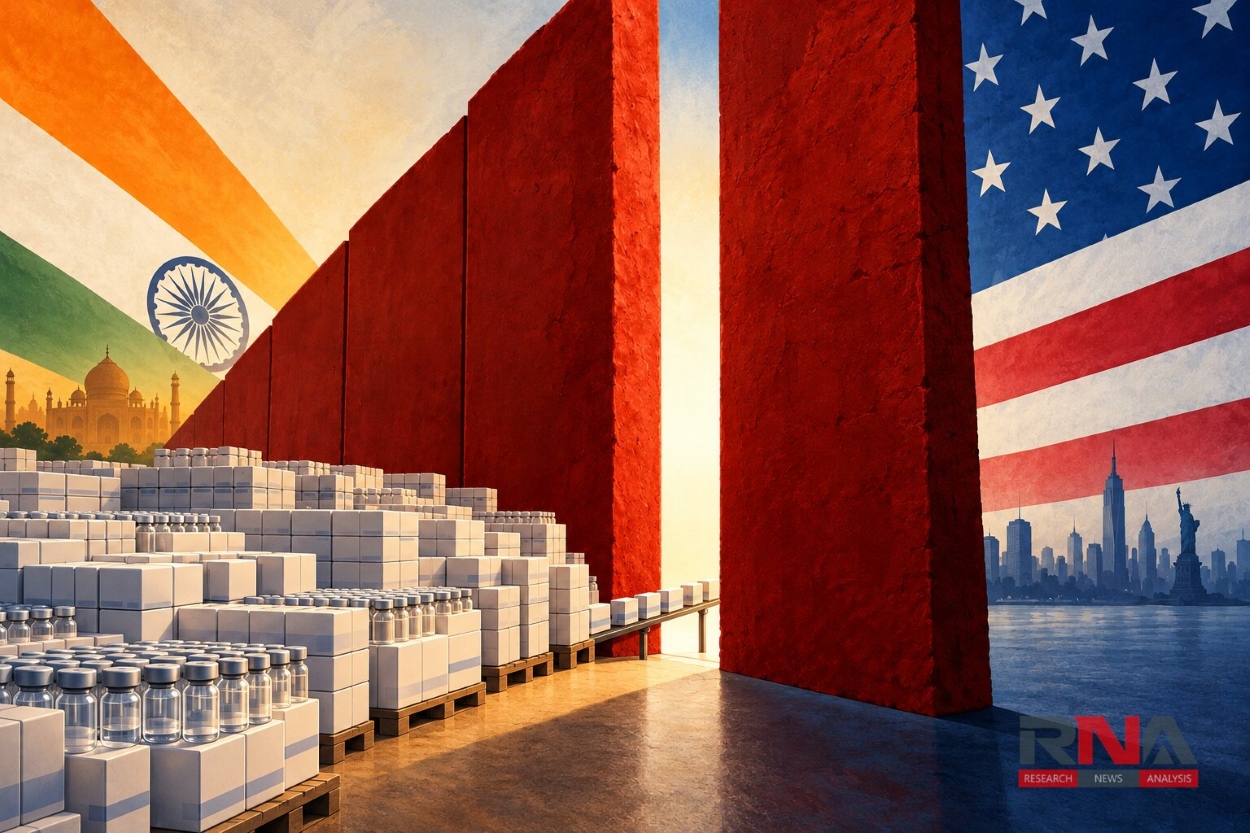
New Delhi: Indian exporters of certain specialty medicines can qualify for a zero rate under a new US pharmaceutical tariff, even as Washington begins applying a 100% duty to many covered patented drugs on Tuesday. The relief is limited to specified products and ingredients, while generic medicines – the mainstay of India’s pharmaceutical trade with the United States – remain outside this particular tariff for now.
The US commerce department notice names India among the jurisdictions eligible for the specialty drug provision. Inclusion on the list does not give every Indian pharmaceutical shipment a waiver. To be included in the list, the medicine or ingredient must fall within a covered category and meet the applicable customs requirements.
The eligible categories include drugs whose approved uses are all for designated rare diseases, nuclear medicines, plasma-derived therapies, fertility treatments, cell and gene therapies, and antibody-drug conjugates. Certain medicines for responding to chemical, biological, radiological and nuclear threats, as well as animal-health products, are also covered under the conditions set out in the presidential proclamation.
The distinction matters because the broader measure, announced by the president, Donald Trump, on April 2 targets specified patented pharmaceuticals and their associated ingredients. It sets a 100% duty calculated on the value of covered imports, subject to exceptions and lower rates for some countries and companies.
The tariff took effect on July 31 for companies identified in an annex to the proclamation and on Tuesday for other covered companies. Washington says the measure followed a national security investigation into its reliance on imported pharmaceuticals and is intended, in part, to encourage production in the United States.
For India, the most consequential boundary in the policy is between patented medicines and generics. The proclamation explicitly excludes generic pharmaceuticals, their associated ingredients and biosimilars from these Section 232 duties at present, though it instructs the commerce secretary to review whether action on generic imports may later be needed.
That exclusion protects a far larger part of India’s trade than the specialty drug relief. An India Brand Equity Foundation assessment put the US share of India’s pharmaceutical exports at nearly 35% in 2024–25 and, citing industry estimates, said generics accounted for more than 95% of those shipments.
The dependence runs both ways. The US Food and Drug Administration has described India as a major supplier of generics used by American patients. That helps explain why the present exemption for generics is more significant to the wider Indian industry than the narrower concession for specialty treatments.
The specialty provision may nevertheless matter to Indian companies expanding into complex therapies and pharmaceutical contract manufacturing. Its commercial value will depend on which products qualify and how much affected firms currently ship to the US; eligibility for a category alone does not establish the size of any company’s benefit.
Commerce has also created a route for companies to seek relief where a specialty medicine meets an urgent US health need. Applicants must provide product and ingredient details, its origin and manufacturer, and an explanation of the medical need; officials will assess requests individually in consultation with US trade and health authorities.
A separate technical change gives a zero additional Section 232 rate to specified pharmaceutical imports intended solely for clinical trials, research and development, or other non-commercial uses. This wording is significant: a zero rate under the new measure should not automatically be read as a promise that every other applicable import duty disappears.
The announcement comes as New Delhi and Washington continue negotiating a wider trade agreement. India’s commerce and industry minister, Piyush Goyal, is due to visit the US from Tuesday to October 5 for talks that include efforts to finalize an interim deal, according to the Indian government’s plans reported by Reuters. However, the pharmaceutical notice itself does not announce such a deal.