Russia backs India’s permanent UNSC seat, presses for greater global south representation
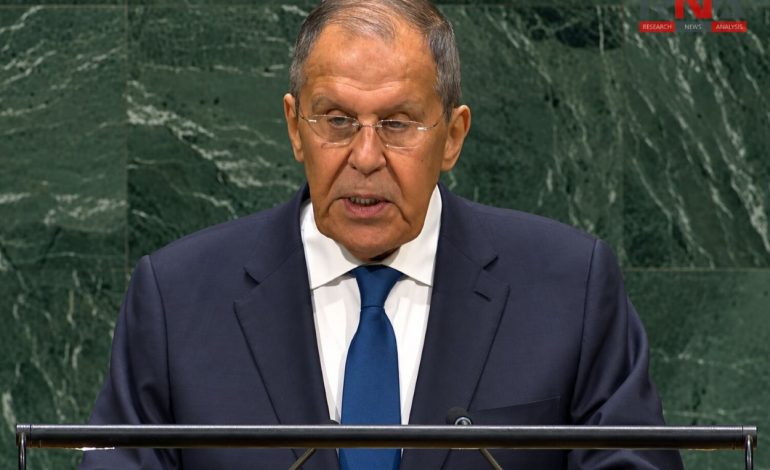
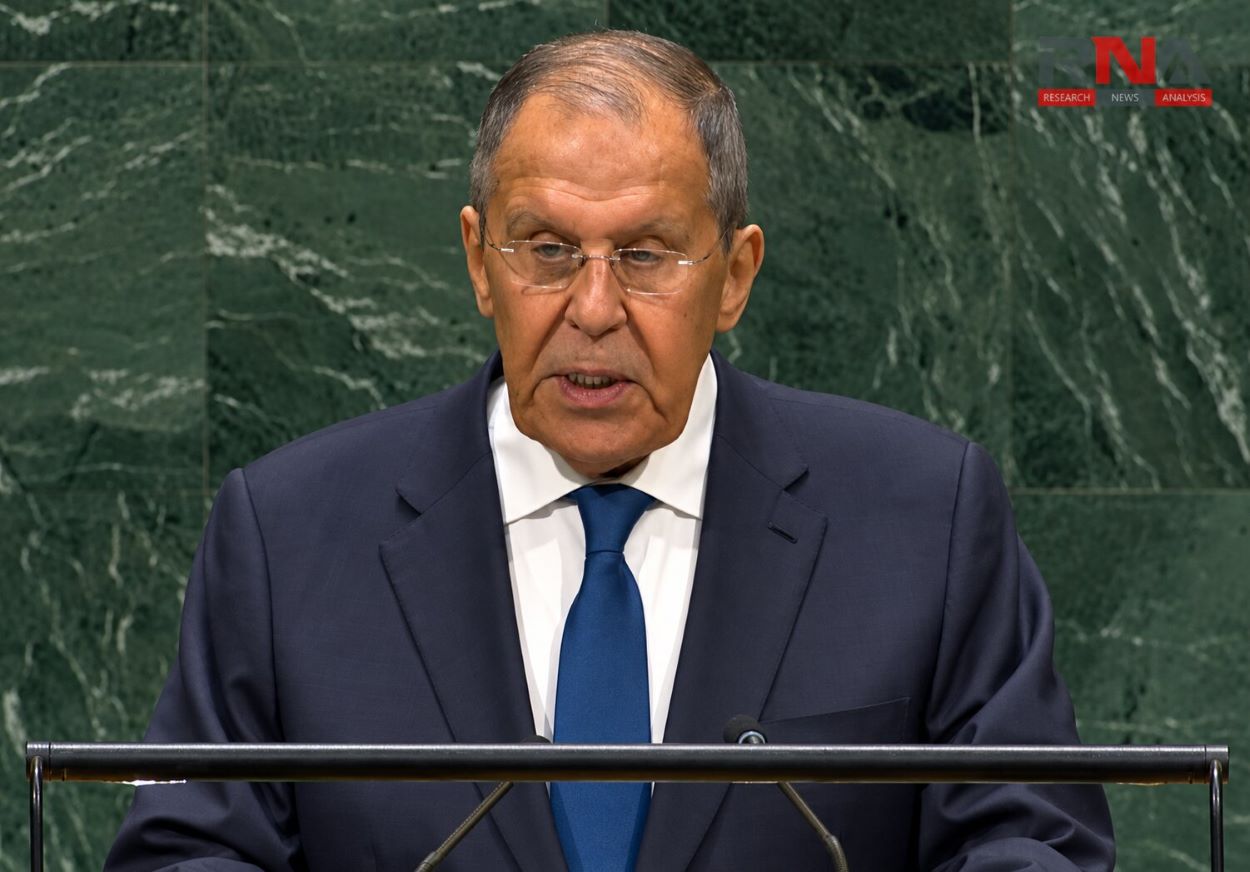
Russian foreign minister Sergey Lavrov addressing the 81st session of the UN general assembly. (Digitally enhanced screenshot of a UN video.)

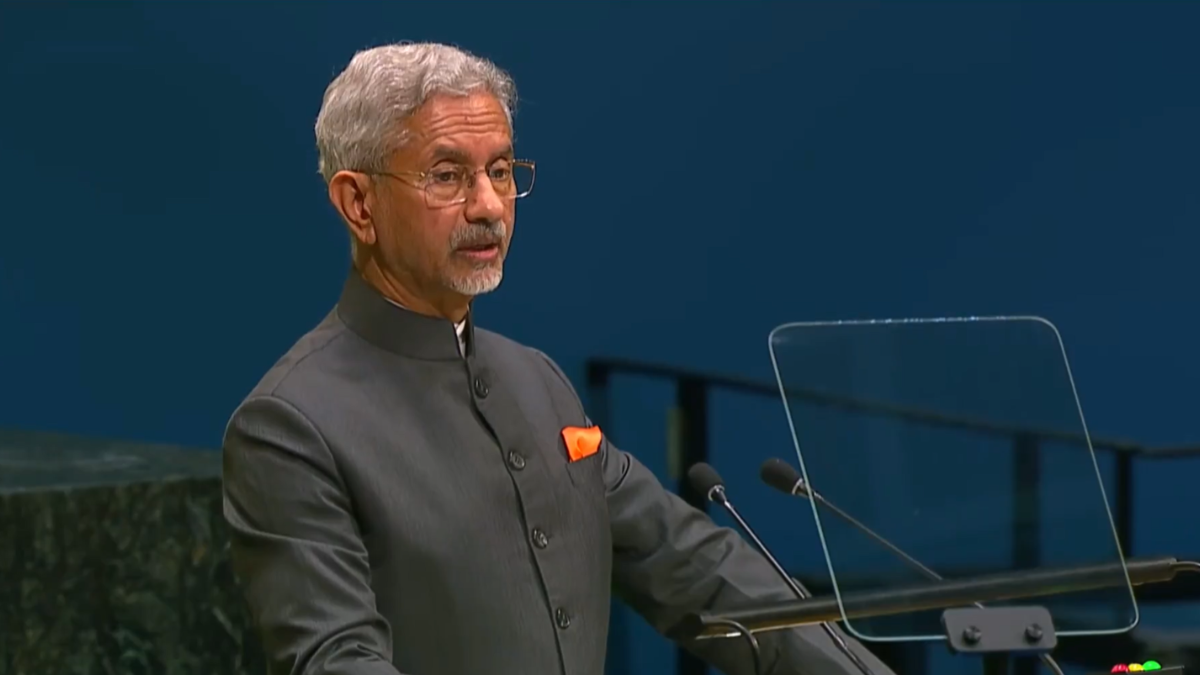
New Delhi: Russia renewed its support for India’s permanent membership of the United Nations security council, with the foreign minister, Sergey Lavrov, calling for changes to reflect the shifting distribution of global power. Addressing the 81st session of the UN general assembly on Saturday, he also endorsed Brazil’s candidature and argued for greater representation of developing countries in international decision-making.
The endorsement reinforced Moscow’s established position on India’s bid, although securing a permanent seat requires a much wider agreement on the council’s expansion. Lavrov’s intervention placed the Indian and Brazilian claims within a broader Russian argument that the institution has failed to keep pace with changes since the UN’s establishment in 1945.
Lavrov said Moscow “supports the application of Brazil and India for permanent seats”. He linked reform to improving representation from Asia, Africa and Latin America, reflecting demands by developing countries for a larger role in shaping decisions on international peace and security.
Russia’s support carries weight because it is one of the five permanent members whose approval is indispensable to changing the council’s composition. However, an endorsement of India’s candidature does not itself establish an agreed expansion formula, determine the powers of new members or set a timetable for admission.
Lavrov also presented the debate as part of a wider contest over the functioning of multilateral institutions. He argued that the balance of global power was inadequately reflected at the UN, alongside his insistence that its founding principles remained relevant in an increasingly multipolar world.
The Russian statement followed a meeting of the G4 – India, Brazil, Germany and Japan – whose members support one another’s bids for permanent seats. Meeting on September 25, 2025, the four countries’ foreign ministers called for expansion in both the permanent and elected categories, arguing that reform was necessary to improve the council’s legitimacy and effectiveness.
Their joint statement expressed concern over the absence of concrete progress in the intergovernmental negotiations and sought movement towards negotiations on an actual draft text. The ministers also supported stronger representation for Africa, Asia-Pacific, and Latin America and the Caribbean, while reaffirming their backing for the common African position.
For New Delhi, this places its candidature within a collective campaign to redistribute representation, alongside its individual diplomatic outreach. The G4 statement emphasized the responsibilities its members were willing to assume in maintaining international peace and security, making the case for membership in terms of institutional contribution as well as geographical balance.
Russia is not the only permanent member to have supported India’s inclusion. In his UNGA address on September 26, 2024, the-then British prime minister, Keir Starmer, explicitly backed permanent membership for India, Brazil, Germany and Japan, together with permanent African representation and additional elected seats.
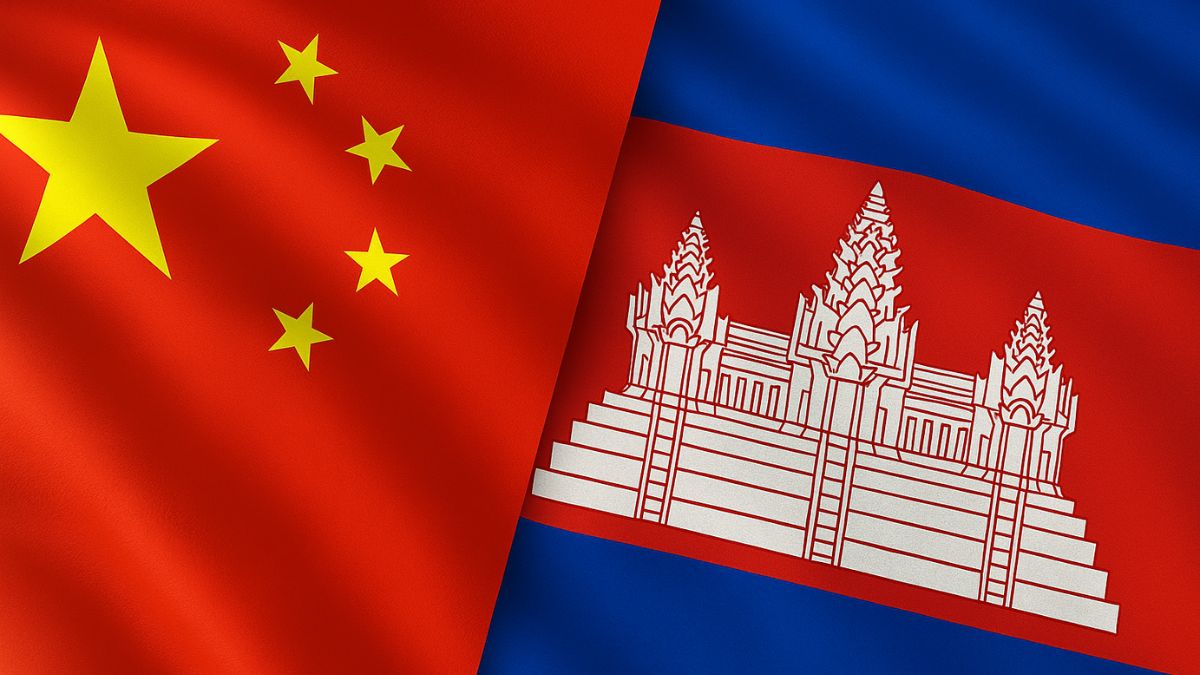
The security council has 15 members: five permanent members – China, France, Russia, the United Kingdom and the United States – and 10 elected members serving two-year terms. The permanent five possess veto powers over substantive decisions, giving them an authority that elected members do not share.
Its membership was expanded from 11 to 15 through the UN Charter amendments that entered into force on August 31, 1965. That change increased elected representation without enlarging the permanent category, leaving the central distribution of institutional privilege intact despite subsequent shifts in the international system.
The formal threshold for another expansion remains demanding under Article 108 of the UN Charter. Amendments must be adopted by a two-thirds majority of general assembly members and subsequently ratified through national constitutional processes by two-thirds of UN members, including every permanent security council member.
That requirement means support from individual capitals must ultimately translate into agreement on a complete reform package acceptable to all five permanent powers. For India, Moscow’s endorsement strengthens its diplomatic case, but the decisive hurdle remains converting declarations of support into negotiated changes to the UN Charter.