
Rubio calls global system ‘broken’, cites failure to address India-Pakistan tensions
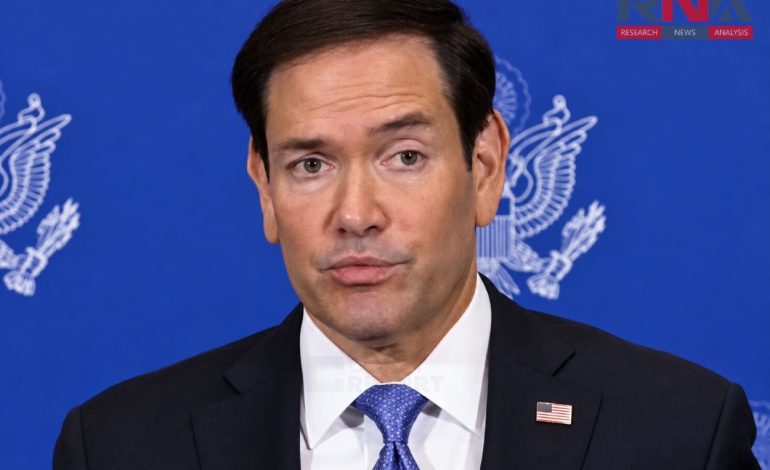
Marco Rubio. (Digitally enhanced screenshot of a video posted on X)

New Delhi: The US secretary of state, Marco Rubio, has described the international system as “broken”, citing its inability to address potential conflict between India and Pakistan as an example of its shortcomings. Speaking during the UN general assembly’s high-level week on Wednesday, he said Washington would continue to prioritize American interests when international institutions failed to deliver.
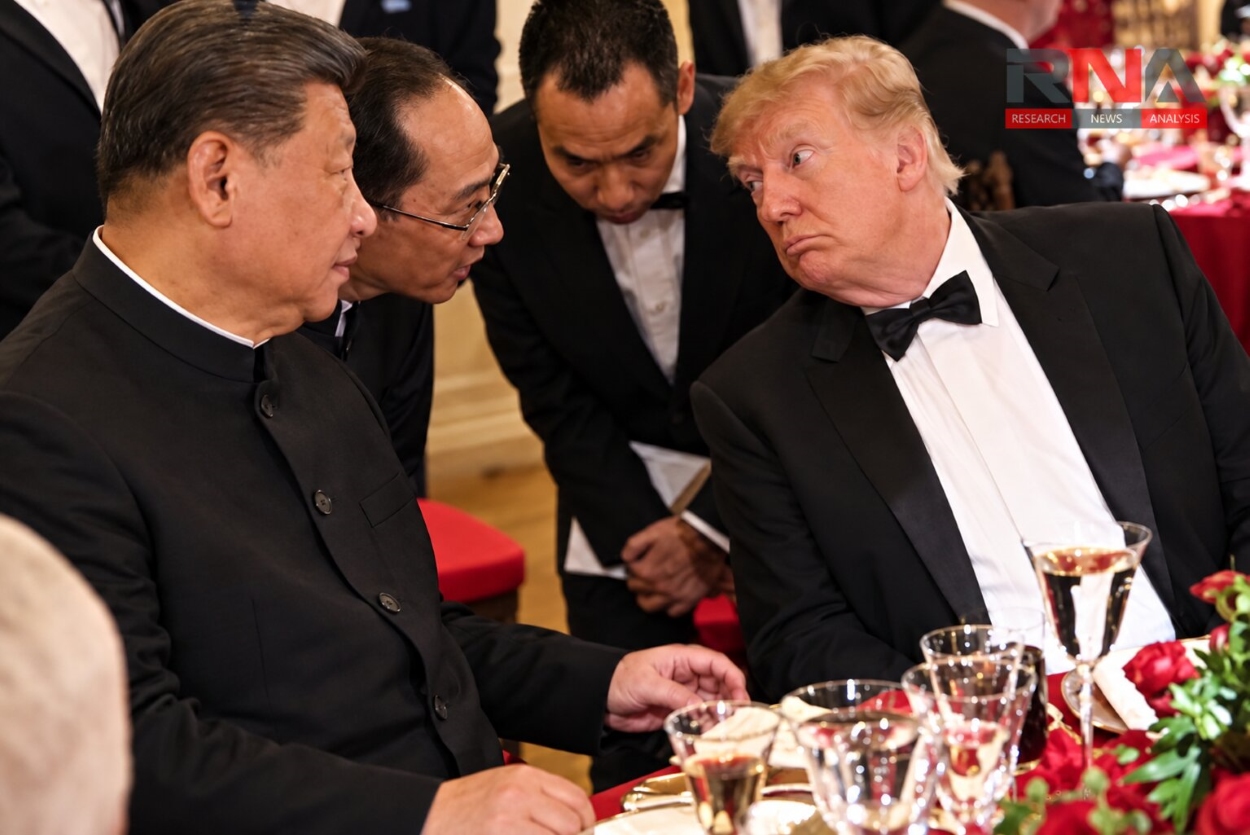
Rubio argued that institutions intended to help countries manage disputes had expanded beyond their original purpose while struggling with their central responsibility of resolving conflicts. His remarks to reporters came a day after the US president, Donald Trump, again claimed credit for ending the India-Pakistan fighting in May 2025 – an account New Delhi has repeatedly contested.
India maintains that the cessation of hostilities followed direct communication between the two countries’ directors general of military operations, without third-party mediation. The distinction remains central to the disagreement between New Delhi and Washington over how the confrontation ended.
In his broader assessment, Rubio said the United Nations retained considerable potential and that American participation demonstrated Washington’s recognition of its usefulness. However, he argued that the organization and the wider international system were failing to translate that potential into effective responses to major security crises.
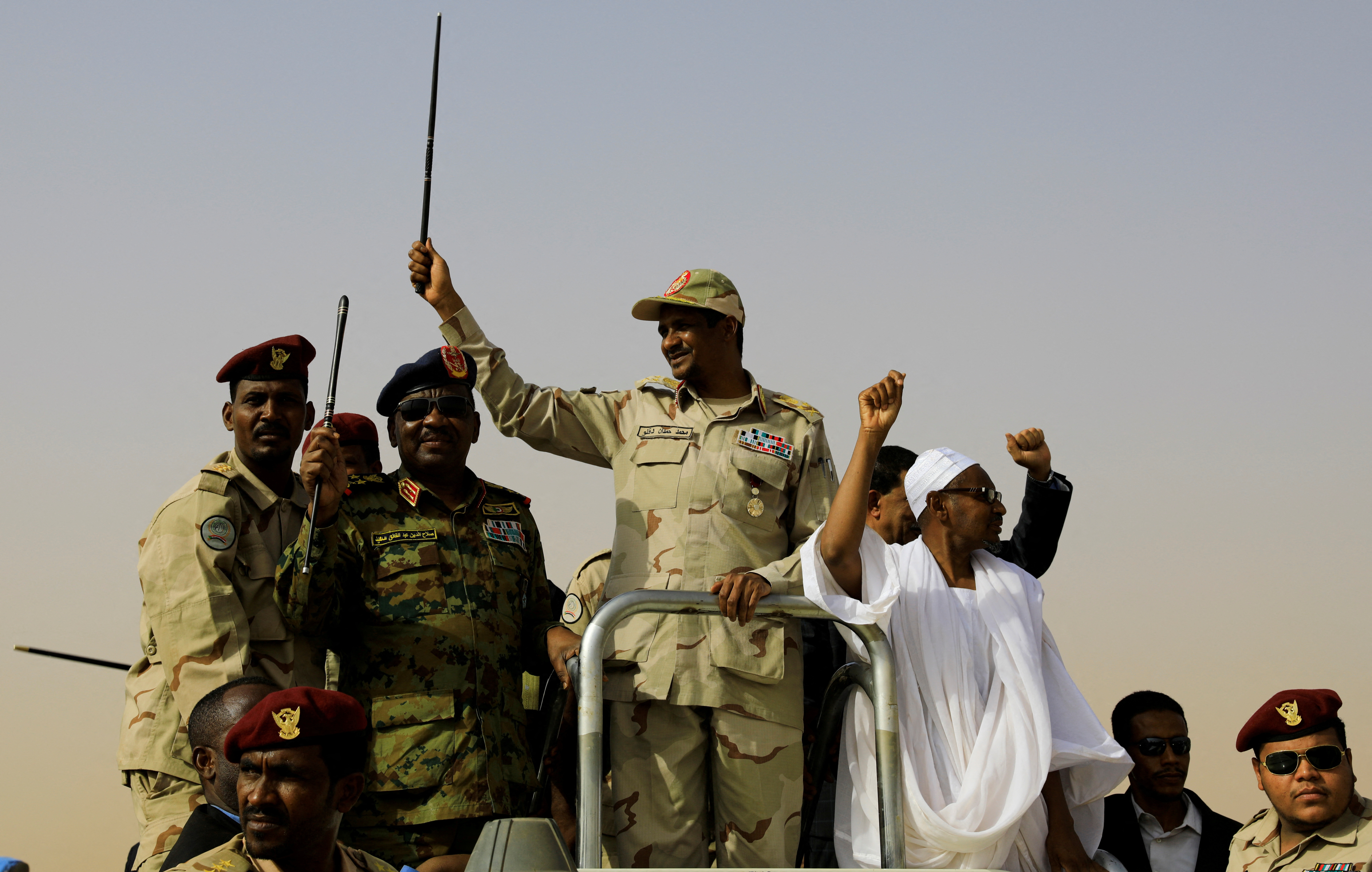
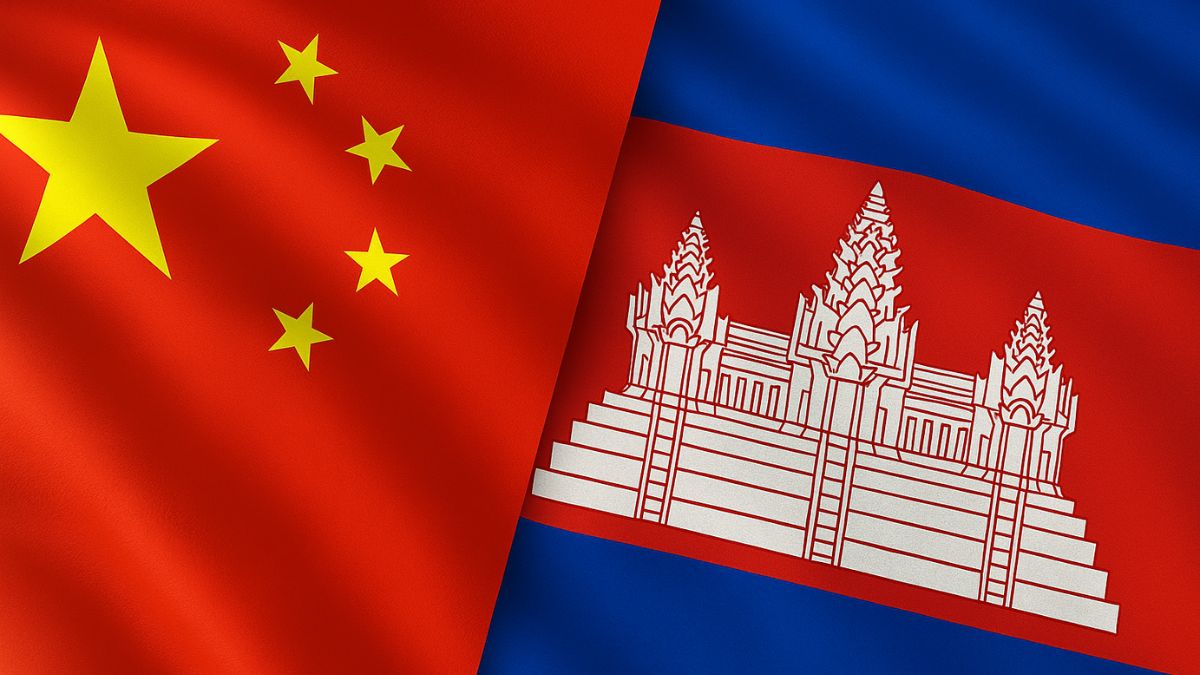
Rubio cited the Thailand-Cambodia fighting alongside India–Pakistan tensions, while also referring to Rwanda, Sudan and Iran in his response on international institutions. His argument was that ineffective collective mechanisms left individual governments to pursue their own interests when confronting threats and instability.
“We will never put the international order above the interest of the United States,” he said, while insisting that his criticism did not amount to an attack on the system itself. He presented national interest as the administration’s governing principle, even as it continued to participate in multilateral diplomacy.
The comments followed a question about warnings from the president of France, Emmanuel Macron, over the erosion of international norms and a return to relations governed by force. Rubio said he did not know precisely what Macron was referring to, before setting out Washington’s position that every government’s foremost obligation was to its own country.
The India-Pakistan reference also brought renewed attention to competing accounts of the May 2025 ceasefire. Trump first publicly claimed American mediation when announcing the halt on May 10, 2025, and included the confrontation among eight conflicts he said he had ended in his latest general assembly address.
New Delhi’s rejection of that account has been conveyed directly to Trump, as well as through public statements. In June 2025, the foreign secretary, Vikram Misri, said the prime minister, Narendra Modi, had told Trump that neither American mediation nor an India–US trade agreement had been discussed as a means of ending the fighting.
Pakistan, by contrast, has credited Washington with a mediating role. India has acknowledged high-level contacts with American officials during the crisis, but its foreign ministry separately rejected Trump’s suggestion that trade incentives helped secure the cessation of military action.
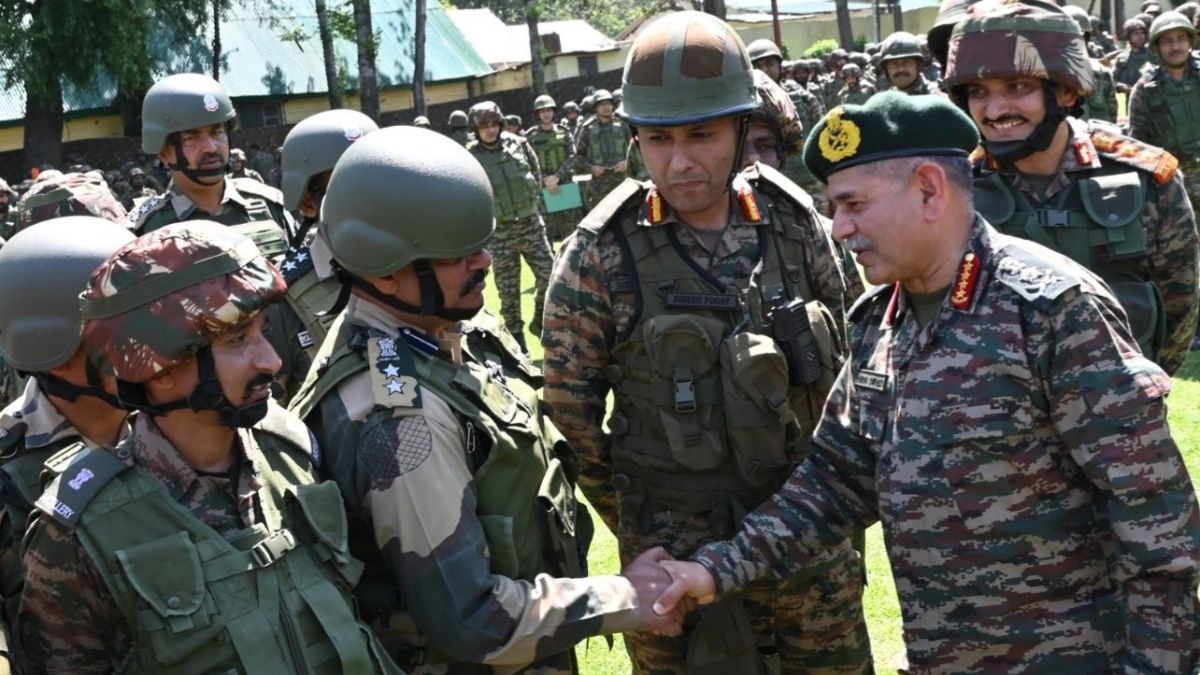
The confrontation followed the Pahalgam terrorist attack on April 22, 2025, which killed 26 people, including a Nepali national. India launched Operation Sindoor on May 7, 2025, striking nine locations in Pakistan and Pakistan-occupied Kashmir that it identified as terrorist infrastructure.
The ensuing exchanges involved aerial attacks, drones and artillery, raising fears of a wider confrontation between the nuclear-armed neighbours. The agreement announced on May 10 required both sides to stop firing and military action on land, at sea and in the air from 5pm Indian time.
Rubio’s criticism coincided with a wider debate over the UN’s effectiveness, although other leaders offered different explanations for its difficulties. The UN secretary-general, António Guterres, told the assembly that collective action was under increasing strain and that global institutions continued to reflect an outdated distribution of power.
Under the UN Charter, the Security Council bears primary responsibility for international peace and security, with substantive decisions subject to the voting powers of its permanent members. The Charter also provides for negotiation, mediation and other peaceful methods of settling disputes, placing national diplomacy and international mechanisms within the same framework.