
Pharmacy of the world on notice: Trump’s 200% tariff clock ticks down on Indian generic drugs
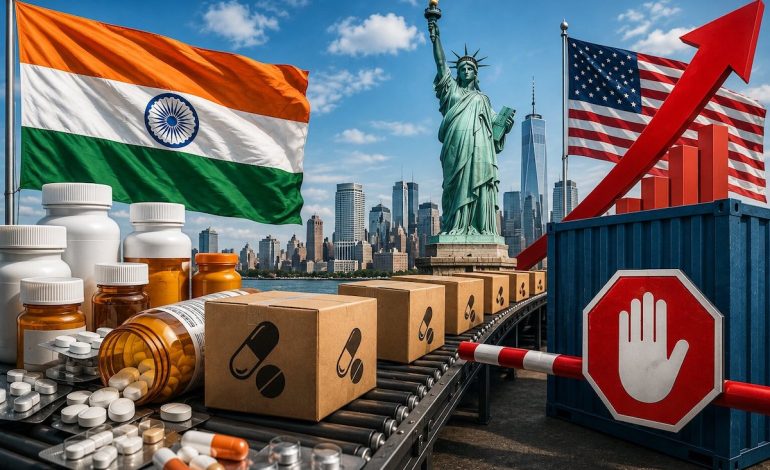
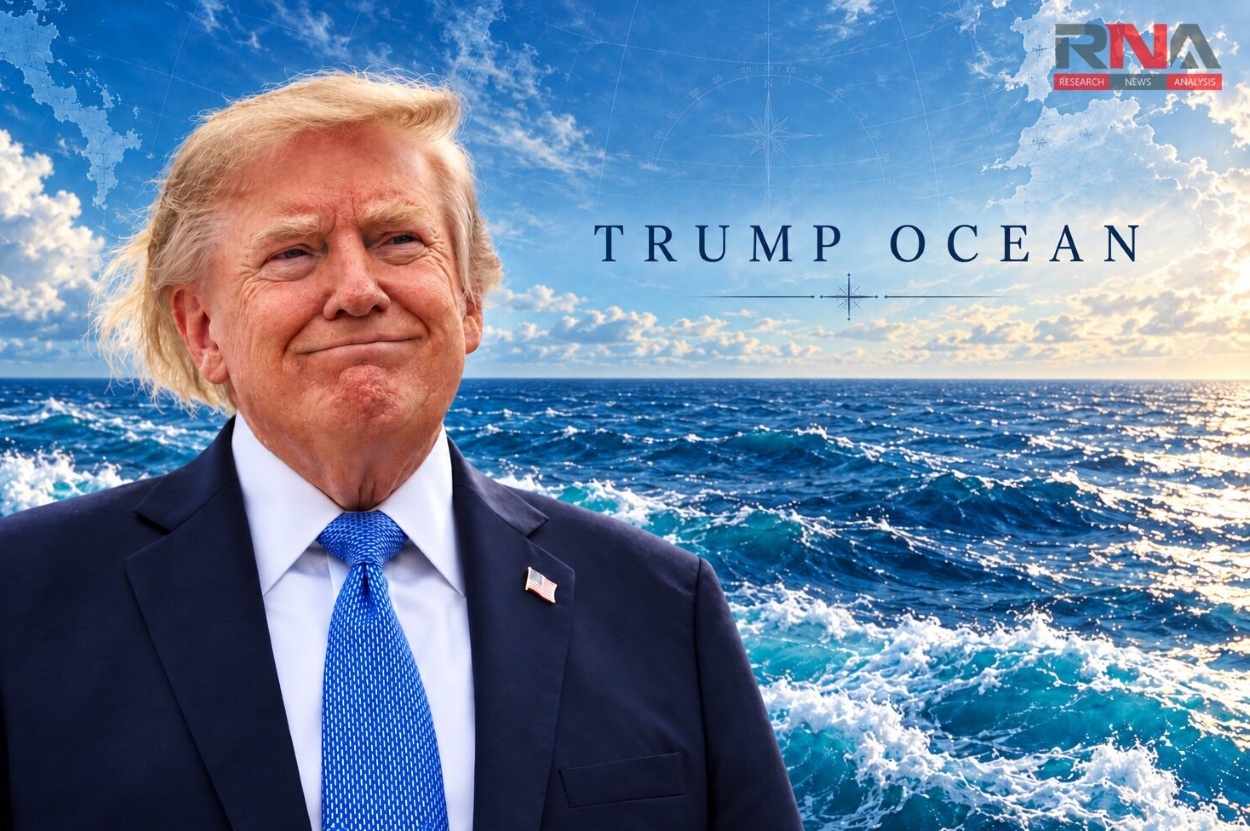
RNA illustration for representation.

New Delhi: The US president, Donald Trump, has announced a phased tariff regime on imported generic medicines that could eventually impose duties of up to 200%. The move, framed by Trump as an incentive for drugmakers to shift production onto American soil, carries direct implications for India, the world’s largest supplier of generic medicines to the US market.
Writing on Truth Social shortly after 7pm US eastern time, Trump said the zero-tariff window would run from August 1 for two years, after which the rate would climb to 100% for a further year before settling at 200% “thereafter”. He described the escalation as a “penalty” for companies that fail to build manufacturing capacity in the United States within the grace period, and said the goal was to “reshore generic pharmaceutical production into America”.
Tariffs on branded and patented pharmaceuticals, which Trump first moved against in September 2025, will remain unchanged, he added. Under that earlier order, a 100% duty took effect from October 1, 2025, on any branded or patented drug unless the manufacturer was already building a US plant.
It may be recalled that when the branded-drug tariff was announced last year, Indian pharmaceutical stocks fell before steadying, as analysts pointed out that the bulk of India’s exports to the US are generics rather than patented products, and would therefore escape the levy. The Indian Pharmaceutical Alliance said at the time that the order applied only to branded and patented drugs, not generic medicines.
Namit Joshi, chairman of the Pharmaceutical Export Promotion Council of India, had similarly argued that most large Indian firms already operated manufacturing or repackaging units in the US and were unlikely to face immediate disruption.
That distinction is now set to fade away. Generics, which have so far sat outside Washington’s tariff regime, will themselves face the same punitive structure once the two-year window lapses in 2028 – and the steeper 200% rate a year after that.
India’s exposure
India is frequently described as the “pharmacy of the world” because of the sheer volumes of drugs it exports. According to an April report by the Global Trade Research Initiative, India exported pharmaceuticals worth $9.7 billion to the US in 2025, which was 38% of its total global pharma exports of $25.8 billion. Separately, industry figures cited by the Indian Pharmaceutical Alliance put India’s share of the US generic drug market at over 45%, alongside roughly 15% of biosimilars used in the country.
Generic drugs are not a peripheral part of the American healthcare system either – they account for close to 90% of all prescriptions dispensed in the US, according to the Food and Drug Administration, which underscores why Washington considers domestic capacity in this segment a matter of policy priority rather than mere trade arithmetic.
Trump’s wider playbook
The White House has indicated that the tariff will be implemented under Section 232 authority, the same national-security trade provision used for the branded-drug order. It also forms part of a broader push by the Trump administration to press drugmakers, through its most-favoured-nation pricing policy, to align US drug prices with those in other wealthy countries.
For Indian manufacturers, the two-year runway offers time to weigh further investment in US-based plants, an option several large companies had already begun exploring after last year’s branded-drug order. Whether that translates into a meaningful shift of generic production away from India, or simply higher costs absorbed further down the supply chain, is likely to become clearer as the August 2028 deadline approaches.
The final impact on Indian drugmakers will depend on the detailed implementation of the tariff regime, possible exemptions, and whether manufacturers choose to invest in US production facilities during the transition period. The proposal could also become a subject of discussion in future India-US trade engagements, given the strategic importance of pharmaceuticals in bilateral economic relations.