
India rises to third place in 2026 Asia Power Index, Narendra Modi’s regional leadership gains momentum
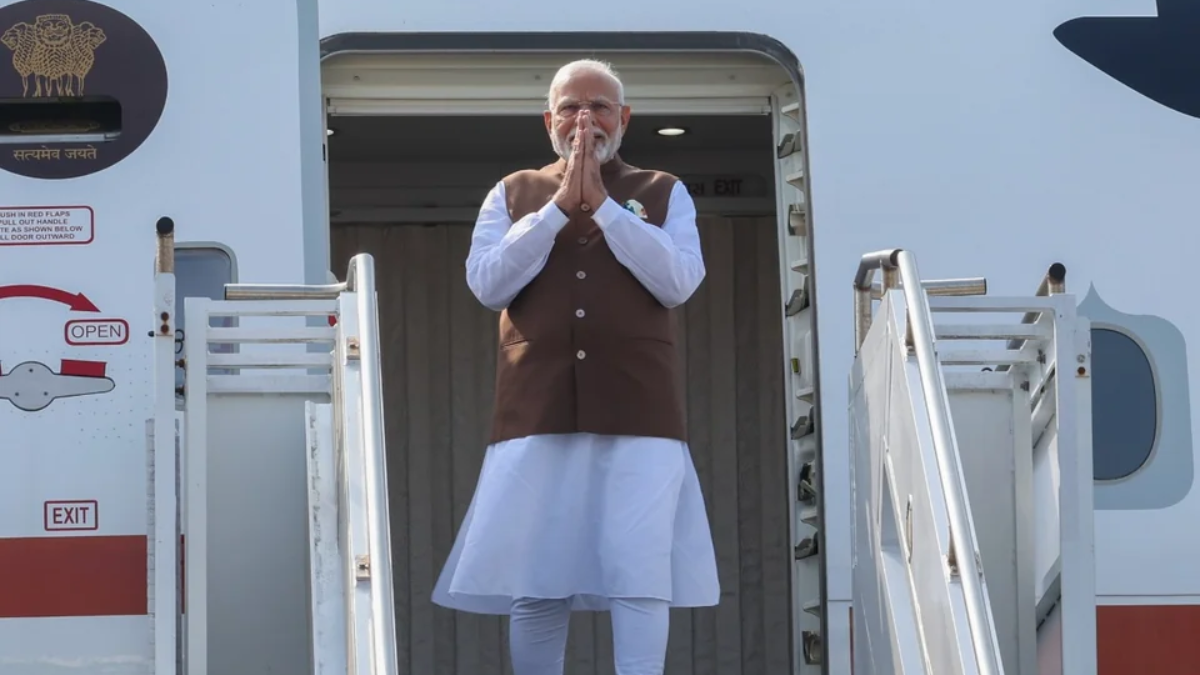
India ranks third in Asia's power index, with Modi placed second among regional leaders. (Image courtesy: Wikimedia)

New Delhi: India has consolidated its position as Asia’s third-most powerful country with a strong economic forecast, diplomatic influence and supportive leadership of the prime minister, Narendra Modi, according to the Lowy Institute 2026 Asia Power Index.
As per the study, India’s growth is a result of its narrowing “power yield”. Power yield is mainly the gap between a country’s expected power based on its resources and its actual comprehensive score.
In what could be seen as a turning point, India’s overall power score rose by 0.5 points to 40.5 out of 100, consolidating its status as a major power in Asia. More significantly, the gap between India and China has narrowed to its lowest level since the Asia Power Index was launched in 2018. However, China’s overall power still remains approximately 80 per cent higher than India’s, indicating that considerable differences in comprehensive national power still persists.
The top three spots in the API has been occupied by United States (78.9 points), China (73.6 points) and India (40.5 points). India is ahead of Japan (38.6 points) and Russia (32.3 points).
The Lowy Institute’s findings are based on eight parameters – India reported growth in five and a marginal fall in the remaining three. Diplomatic influence remained India’s strongest and steadiest measure, as reported by NDTV.
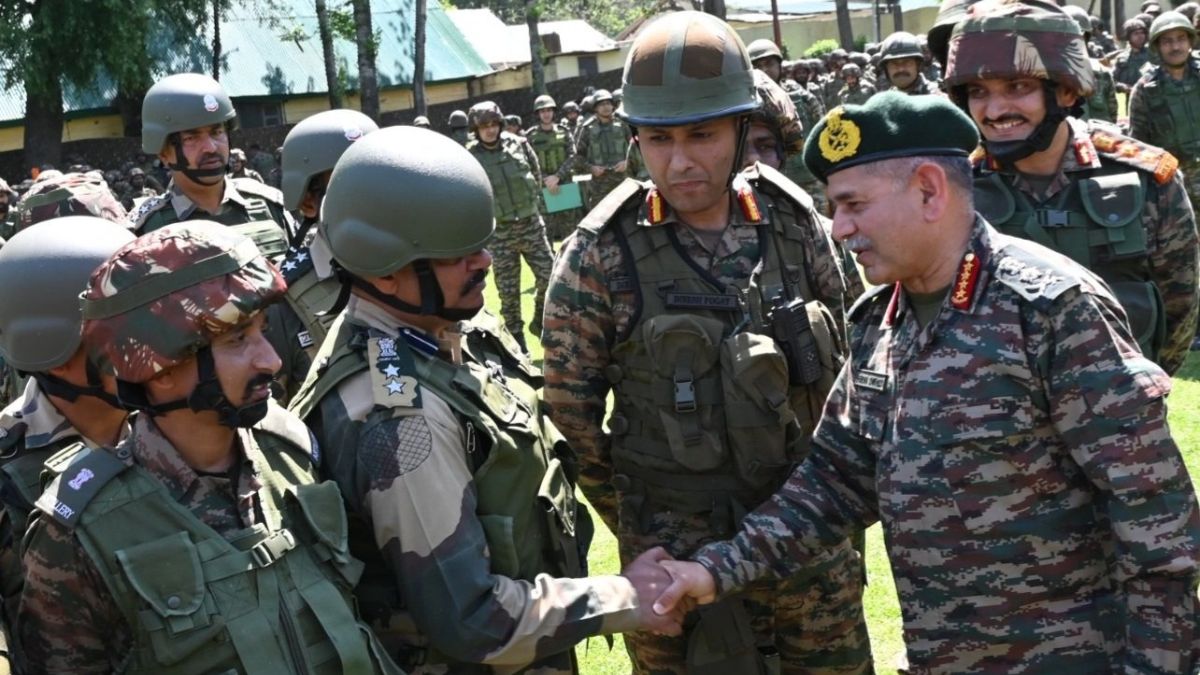
India’s growing defence cooperation with Southeast Asian countries has emerged as one of the important contributors to its improved regional standing. The report further identifies increased regional defence engagement and BrahMos supersonic cruise missile sales to Southeast Asian countries as key factors in strengthening India’s defence networks.
India’s Defence Networks score increased by 2.1 points to 18.6. Such developments highlights the seriousness of India’s defence diplomacy.
Another point of deliberation is the improved status of Modi’s regional leadership. Modi has been ranked the second-most effective regional leader in Asia, behind Chinese president, Xi Jinping.
The improvement reflects India’s growing diplomatic engagement, expanding partnerships and ability to maintain strategic relationships across a diverse regional environment.
India’s cultural influence rose to 43.8 points, driven by improvements across all three dimensions: cultural projection, information flows, and people exchanges, as reported by the Lowy Institute.
The Lowy Institute also flagged some negatives for India, including a weakening rupee, a change in how the International Monetary Fund (IMF) measures economies, and a nearly $20 billion drop in outbound investments.