
India keeps Pakistan engagement limited, Indus Waters Treaty remains in abeyance
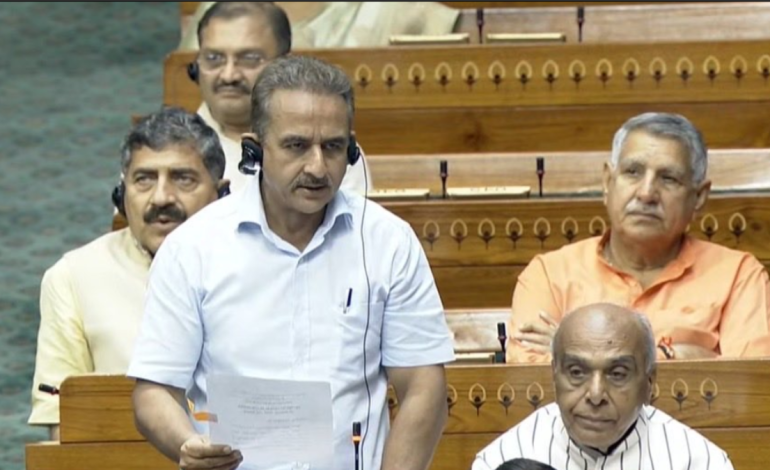
The minister of state for external affairs, Kirti Vardhan Singh. (Image courtesy: X/@KVSinghMPGonda)

New Delhi: India and Pakistan continue to maintain limited official engagement despite a prolonged freeze in political ties, with key military, nuclear and humanitarian communication channels remaining operational. The government’s latest response in the Rajya Sabha makes clear that New Delhi has not severed every line of communication with Islamabad, but continues to restrict engagement to essential mechanisms.
In a written reply to Congress president Mallikarjun Kharge’s question on the status of India-Pakistan engagement, the minister of state for external affairs, Kirti Vardhan Singh, said both countries continue to maintain their diplomatic missions in each other’s capitals. He said functional engagements include DGMO-level talks, pre-notification of ballistic missile flight tests, exchange of lists of nuclear installations and exchange of lists of prisoners held by the two sides.
The continuation of these mechanisms is significant as relations between the two nuclear-armed neighbours have remained strained since the Pahalgam terror attack of April 2025 and the military escalation that followed. While broader political engagement remains limited, established channels dealing with military communication, nuclear risk reduction and humanitarian matters continue to operate.
The government also clarified that Track-2 dialogues involving retired diplomats, military officers, academics and think-tank representatives are outside its purview. Individuals participating in such interactions do so in their private capacity and their views do not represent the official position of the Government of India.
The sharpest message in the government’s response concerned the Indus Waters Treaty, which India placed in abeyance following the Pahalgam attack. Singh said the treaty will continue to remain in abeyance until Pakistan “credibly and irrevocably” abjures its support for cross-border terrorism.
The position effectively links any future reconsideration of the treaty to Pakistan’s actions on terrorism. The government’s response also indicates that there has been no change in New Delhi’s stated position despite the continued existence of other functional arrangements between the two countries.
The Indus Waters Treaty had remained one of the few enduring frameworks of India-Pakistan cooperation despite wars and repeated diplomatic crises. Its continued abeyance therefore underlines the depth of the current deterioration in bilateral relations and the importance India attaches to the terrorism issue.