
India expands defence diplomacy with ₹400 crore fund, plans up to 90 overseas defence wings by 2030
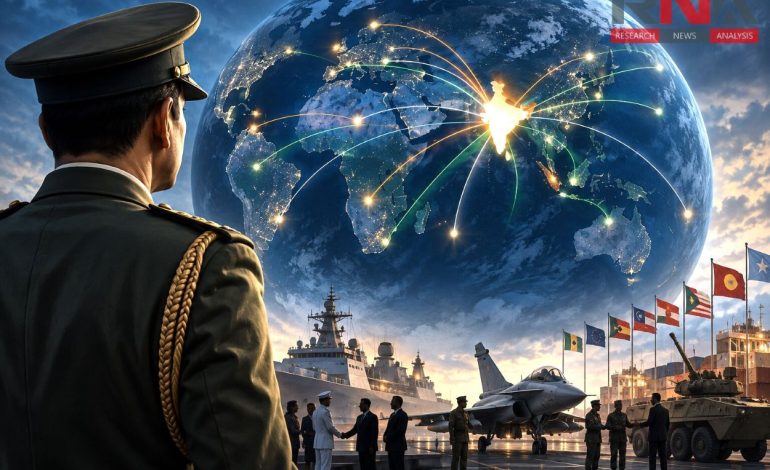
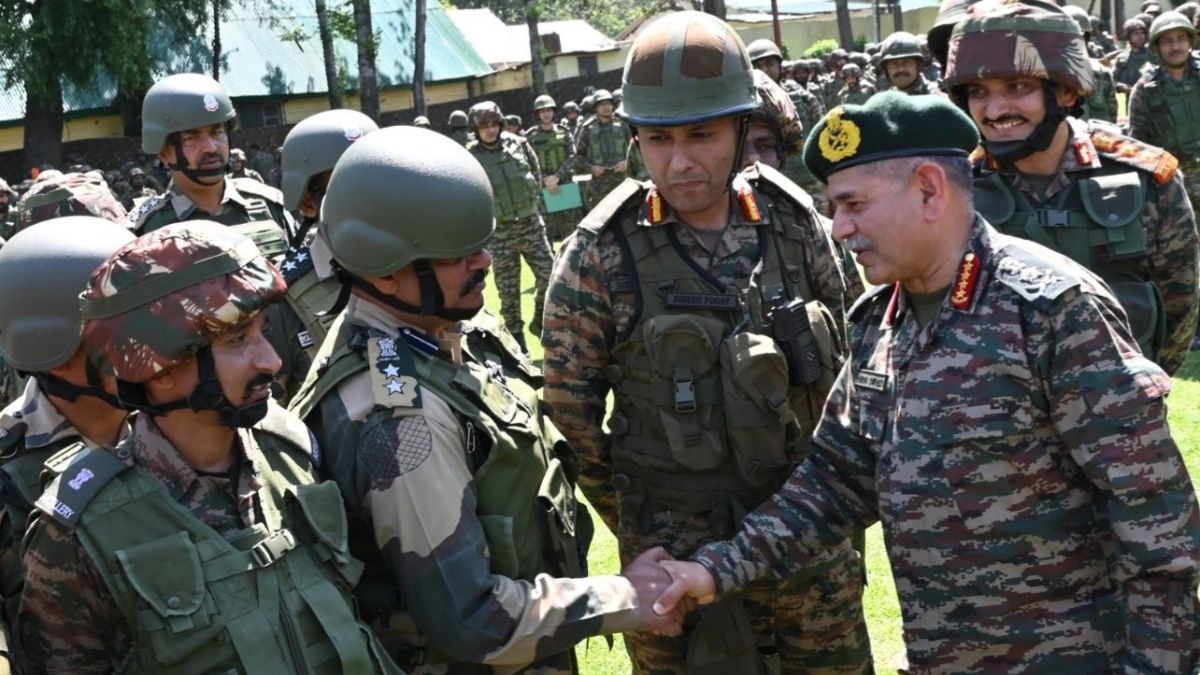
RNA Media illustration for representation.

New Delhi: India has allocated ₹400 crore to strengthen its defence diplomacy and plans to expand its network of overseas defence wings to as many as 90 by 2030, signalling a more coordinated effort to convert strategic partnerships into military and commercial gains. The initiative will give defence attachés a larger role in promoting Indian weapons, identifying export opportunities and building sustained military ties with partner countries.
The allocation for the defence-diplomacy programme in the 2025-26 financial year was ₹100 crore higher than in the preceding year, according to BusinessLine. The increase reflects the government’s assessment that defence relationships now require greater financial and institutional support as India seeks a larger role in the global arms market.
India currently operates about 54 defence wings at its embassies and high commissions, with 10 more sanctioned in 2024 and now being established. The government intends to raise the number to between 85 and 90 by 2030, substantially widening the Armed Forces’ direct engagement with militaries across the world.
In addition, 50 existing defence wings have reportedly been given concurrent accreditation to neighbouring countries where India does not maintain a dedicated military office. This arrangement could eventually extend India’s defence-diplomatic coverage to 157 countries without requiring a permanent attaché in every capital.
The expansion is expected to concentrate on regions where India has strategic interests but comparatively limited military representation, including Africa, the western Mediterranean, Latin America, the Caribbean and Pacific island countries. Defence attachés are also being repositioned towards markets that already import Indian equipment or are considered prospective buyers.
From military liaison to export promotion
Traditionally, defence attachés have maintained military-to-military contacts, facilitated senior-level visits, arranged training and exercises, and reported on security developments in their host countries. Under the emerging approach, they will increasingly connect foreign military requirements with Indian manufacturers and support negotiations involving equipment, training, maintenance and long-term logistical assistance.
Their role could be particularly important because major military contracts are rarely decided solely by price or technical performance. Governments also assess the reliability of the supplier country, financing arrangements, training packages, ammunition availability, maintenance support and the political relationship that will underpin a platform’s operational life.
The overseas expansion complements “Raksha”, India’s first consolidated 10-year defence-diplomacy framework, released by the defence minister, Rajnath Singh, in New Delhi on September 3, as RNA Media had reported. The document seeks to align national-security priorities with international defence cooperation and organize India’s external military engagement around four broad pillars – strategic partnerships, capacity building, indigenous manufacturing and exports, and maritime security.
Under the strategic-partnership pillar, India intends to deepen bilateral and multilateral security cooperation with friendly countries. Capacity-building measures will include additional joint exercises, military training programmes, institutional exchanges and the sharing of operational practices.
The export component aims to use India’s expanding domestic industrial base to establish the country as a reliable producer and supplier of military systems. The maritime-security pillar seeks to reinforce India’s position as a net security provider and first responder in the Indian Ocean region, particularly during piracy incidents, evacuations and humanitarian emergencies.
The diplomatic push comes after Indian defence exports reached a record ₹38,424 crore in 2025–26, rising 62.66 per cent from ₹23,622 crore in the preceding financial year. Defence public-sector undertakings accounted for 54.84 per cent of these exports, with private companies contributing the remaining 45.16 per cent.
New Delhi has set a target of raising annual defence exports to ₹50,000 crore by 2029, with Indian military products already reaching more than 80 countries. The government has also simplified export procedures and the “open general export licence” framework to help manufacturers respond more quickly to overseas opportunities while retaining national-security safeguards.
India’s export portfolio now includes missiles, artillery systems, radars, protective equipment, naval vessels, aircraft components and ammunition. The BrahMos cruise-missile contract with the Philippines remains the most prominent example of how sustained diplomatic and military engagement can translate into a major export order.
The planned overseas network could similarly help Indian companies understand country-specific operational requirements and compete for contracts that require long-term government backing. Its effectiveness, however, will depend on coordination between the defence ministry, the external affairs ministry, the Armed Forces, export-licensing authorities and public- and private-sector manufacturers.
Raksha and the proposed expansion of defence wings together indicate that New Delhi increasingly views military diplomacy as more than a supporting arm of foreign policy. The objective is to use defence cooperation to strengthen strategic influence, develop interoperable partnerships, secure access to technology and generate durable markets for Indian military products.