India approves 654MW power export to flood-hit Nepal facing hydropower crisis
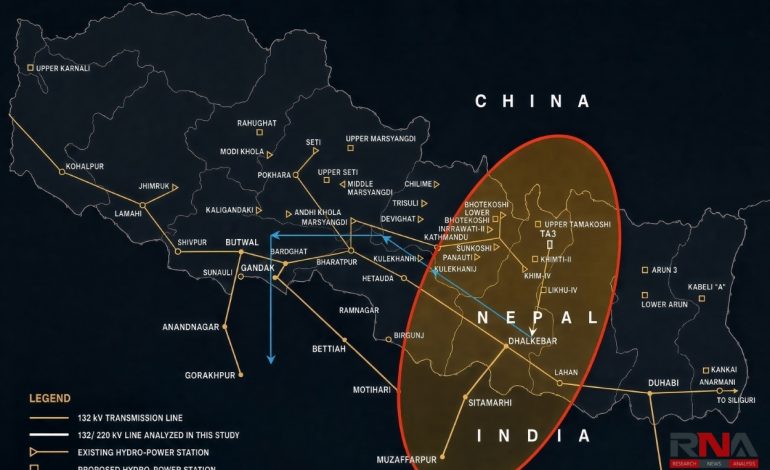
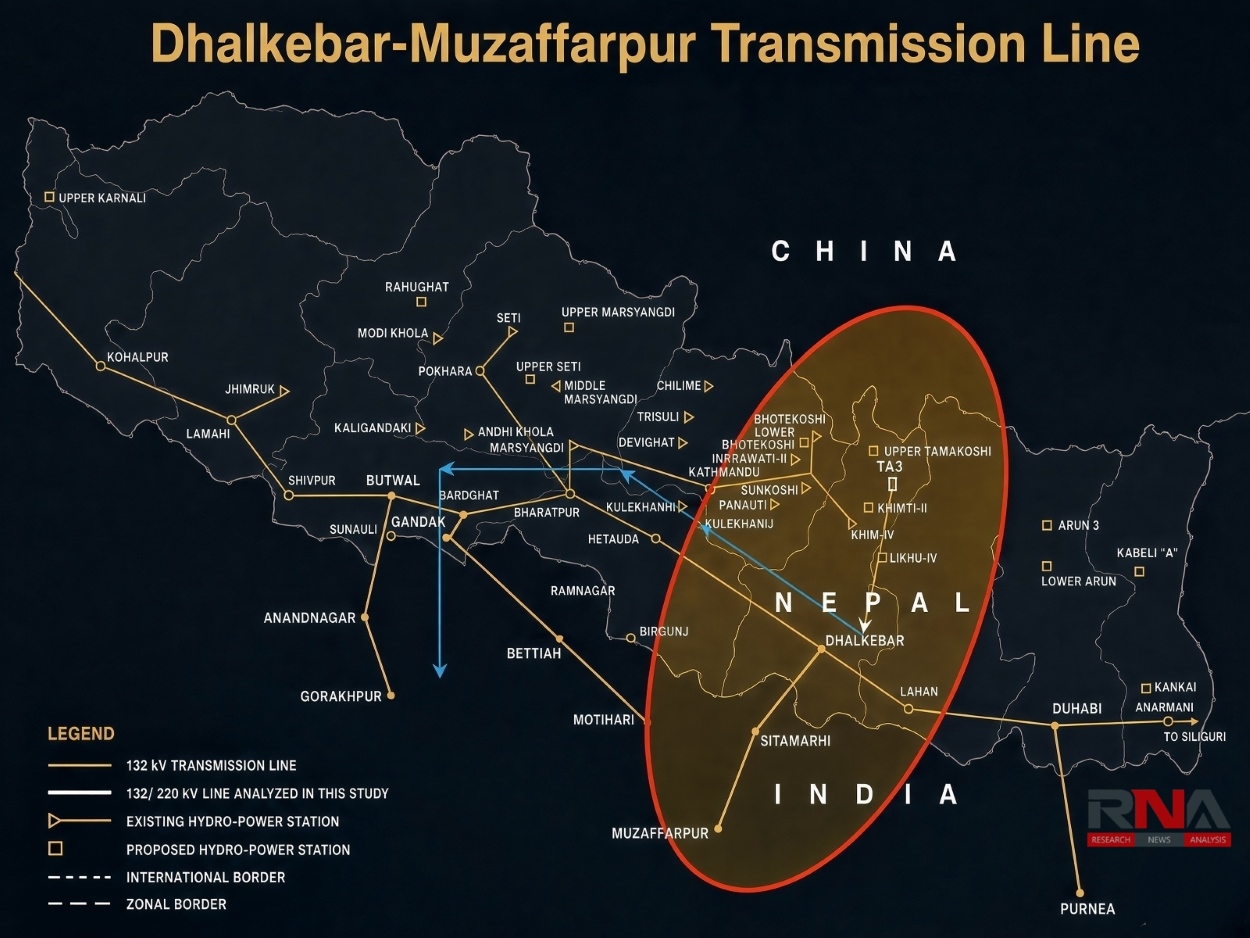
Map showing the Muzaffarpur-Dhalkebar Transmission Line.

New Delhi: India has approved the export of up to 654MW of electricity to Nepal for 18 hours a day until December 31, providing an important short-term energy lifeline after catastrophic floods damaged hydropower projects and associated transmission infrastructure in the Himalayan country. The arrangement, which began on September 13, allows the Nepal Electricity Authority (NEA) to procure electricity from the Indian market between midnight and 6pm each day.
The approval covers up to 600MW through the 400kV Muzaffarpur-Dhalkebar cross-border transmission line and another 54MW through the 132kV Tanakpur-Mahendranagar connection. The scale and duration of the arrangement underline the extent to which the August floods have disrupted Nepal’s electricity system at a time when the country would normally be benefiting from abundant monsoon river flows.
The immediate problem is damage to Nepal’s hydropower infrastructure caused by severe flash floods in the Bhotekoshi and Trishuli river systems. More than a dozen hydropower projects have been affected, while the destruction of transmission infrastructure has further complicated the movement of whatever electricity remains available.
The disaster has therefore created an unusual situation for Nepal, whose electricity system is heavily dependent on hydropower and normally produces a substantial surplus during the wet season. Before the floods, Nepal was exporting significant quantities of electricity to India and had also begun supplying Bangladesh through India’s transmission network, but the damage has forced it to reduce or suspend several export flows.
The importance of the Indian decision becomes clearer when viewed against Nepal’s dependence on run-of-river hydropower. Such plants generate strongly according to river flows and cannot provide the same degree of seasonal storage as reservoir-based projects, leaving Nepal structurally more dependent on electricity imports when domestic generation falls.
The floods have brought that vulnerability into sharper focus much earlier than the normal winter supply crunch. Nepal’s power generation has already lost more than 400MW as a result of damage in Rasuwa and Nuwakot, while the state-owned Kulekhani reservoir system has been pushed into continuous operation even though it is normally preserved as a strategic reserve for the dry season.
For India, the timing of the 18-hour supply window is also significant. The permitted period runs from midnight to 6pm, leaving out the evening hours when Indian electricity demand typically rises and solar generation falls, making the arrangement easier to accommodate than unrestricted round-the-clock exports.
The Muzaffarpur-Dhalkebar corridor is particularly important to the bilateral power relationship. The 400kV interconnection is the principal high-capacity electricity link between the two countries and has long been central to Nepal’s ability to import power from India during periods of domestic shortage.
India’s latest decision also demonstrates that cross-border electricity trade between the two countries is no longer simply a mechanism for dealing with Nepal’s traditional winter deficit. It is increasingly becoming a regional energy-security instrument capable of providing emergency support when extreme weather disrupts generation and transmission.
The development has wider implications for Nepal’s long-term energy strategy. The country has sought to use its enormous hydropower potential to become a major electricity exporter, but the floods have demonstrated that a system dominated by river-based generation remains exposed to increasingly severe weather events and damage to infrastructure located close to vulnerable river corridors.
There is also a strategic irony in Nepal’s present predicament, which is that a country that has been seeking to expand electricity exports to its neighbours is now having to depend on imports from India to compensate for the loss of its own generation capacity. That does not undermine the longer-term case for Nepal’s hydropower ambitions, but it highlights the need for a more diversified and resilient power system.
The immediate priority, however, is restoring damaged generation and transmission facilities before Nepal enters the dry season, when declining river flows will naturally reduce output. India’s emergency electricity window should help bridge that gap while Nepal undertakes repairs, but the episode is likely to intensify debate in Kathmandu over reservoir storage, transmission redundancy, solar generation and the climate resilience of future hydropower projects.
For India, the arrangement also reinforces the strategic value of its growing electricity interconnections with Nepal. Beyond commercial power trading, those links now provide a practical instrument for regional disaster response and energy security – adding another substantive layer to the increasingly important India-Nepal energy partnership.