


Centre clears ₹2,481.93 crore road plan to improve connectivity in 134 India-China border villages
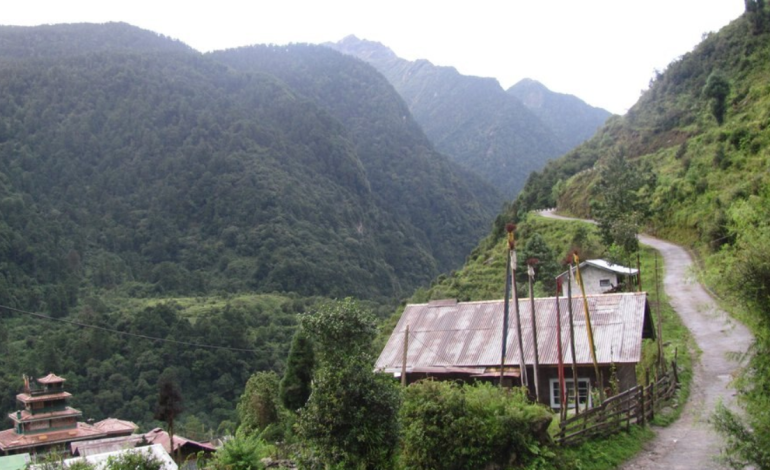
Representational image (Image courtesy: Wikimedia)

New Delhi: The Union home ministry has approved 111 road projects worth ₹2,481.93 crore under the Vibrant Villages Programme (VVP) to provide all-weather road connectivity to 134 previously unconnected villages located along the India-China border. The projects are aimed at improving accessibility and strengthening infrastructure in strategically important frontier areas.
The minister of state for home, Nityanand Rai, informed the Lok Sabha on Tuesday that the programme has also made significant progress in expanding essential services across border villages. In a written reply, he said 528 villages have been provided with 4G mobile connectivity, while piped drinking water has reached 625 villages. Additionally, 621 villages now have access to electricity through either the conventional power grid or off-grid solutions.
To improve energy availability in remote regions, the ministry has sanctioned 140 off-grid solar projects and seven micro-hydel projects under the first phase of the VVP-I. Rai also said the ministry of power has approved 43 projects worth ₹238.30 crore to strengthen power distribution infrastructure through convergence with the programme.
The government has also focused on expanding healthcare and education facilities in border areas. Under VVP-I, 40 mobile medical units have been sanctioned to provide healthcare services in Arunachal Pradesh, helping improve medical access in remote and difficult terrain.
In the education sector, 146 projects have been approved for the construction of new school infrastructure and the upgradation of existing educational facilities to enhance learning opportunities in villages located near the line of actual control (LAC).
VVP is a centrally sponsored scheme for improving the quality of life and providing better livelihood opportunities to the villages located in the Northern Border areas of the country. The programme aims to reduce migration from frontier areas through the strengthening of physical, social and economic infrastructure and supports the long-term development of strategically important border communities.