
Belgian PM Bart De Wever begins India visit with defence deals in focus. Why the trip matters beyond diamonds and trade
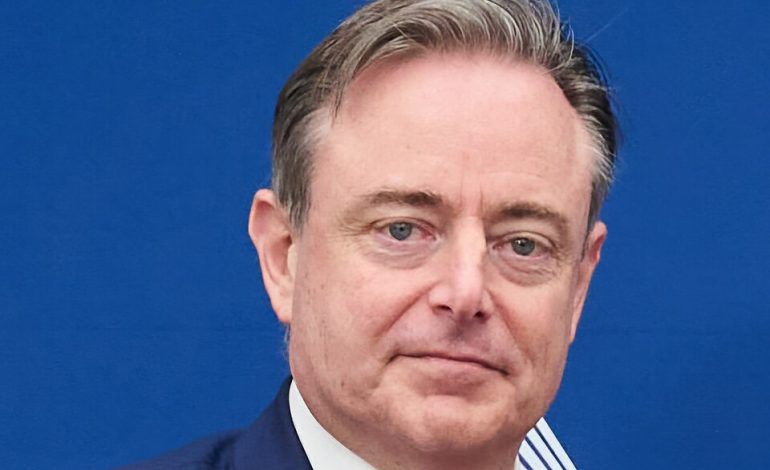
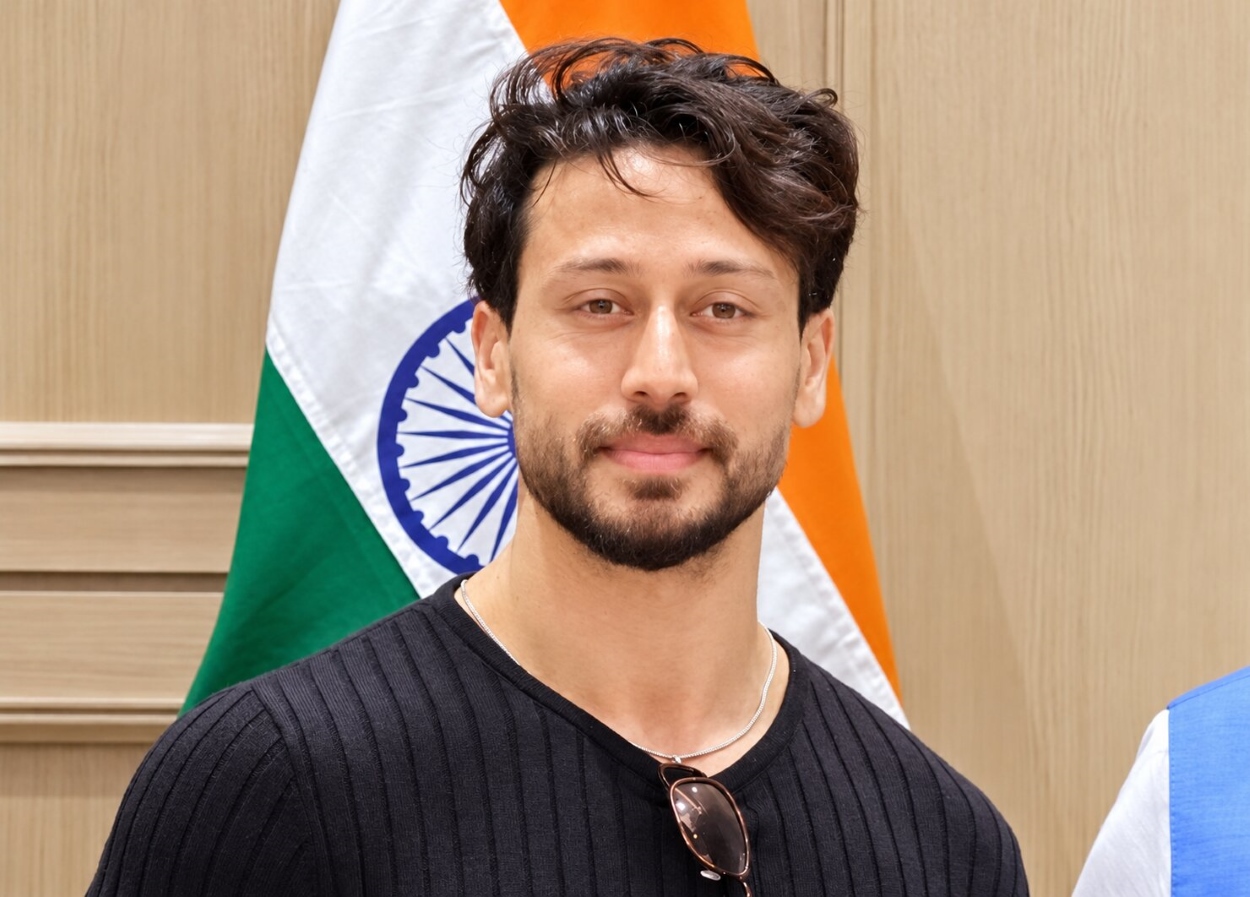
Bart De Wever. (Photo: Creative Commons 4.0)

New Delhi: The prime minister of Belgium, Bart De Wever, is due to arrive in India on Wednesday for a three-day official visit, his first since taking office in February 2025, with trade, defence and technology expected to dominate the agenda. He will be accompanied by the defence and foreign-trade minister, Theo Francken, giving the visit a pronounced commercial and security dimension.
De Wever will hold talks with the prime minister, Narendra Modi, in New Delhi on September 3, when the two leaders are expected to review bilateral relations and exchange views on regional and global developments. The discussions will cover trade and investment, defence and security, emerging technologies, renewable energy, connectivity and people-to-people ties, according to the Ministry of External Affairs.
The Belgian leader will also address a Confederation of Indian Industry event against the backdrop of the India–European Union free trade agreement. He will subsequently travel to Mumbai for meetings involving the diamond trade, ports and logistics industries.
The wider programme includes discussions on civil aviation and a Belgium-India defence chief executives’ roundtable organized with the Society of Indian Defence Manufacturers. In Mumbai, the delegation is expected to participate in a trade and logistics dialogue with the commerce and industry minister, Piyush Goyal, and engage representatives of the Bharat Diamond Bourse and HRD Antwerp, according to the Belgian embassy.
Belgian media said the talks between Modi and De Wever could be followed by the signing of several memorandums of understanding, although neither government had disclosed their details by Wednesday. Francken has said seven major defence contracts are expected to be signed, but their nature and value will become clear only after formal announcements, Brussels Times reported.
The visit is also historically notable because it marks the first bilateral engagement of this kind by a Belgian prime minister in India in nearly two decades. Guy Verhofstadt was the last Belgian head of government to be received by an Indian prime minister in the country, in November 2006.
The visit comes less than two months after India and Belgium held their inaugural strategic dialogue in Brussels on July 15, creating a regular framework for cooperation that had previously been driven largely by trade missions and sector-specific engagements. The joint statement identified trade, green energy, technology, connectivity, defence and security as priority areas, making De Wever’s trip the first high-level test of whether that new mechanism can deliver concrete outcomes.
Why De Wever’s India visit carries unusual significance
Its timing is equally important because India and the EU concluded negotiations on their long-pending trade agreement in January 2026, although legal scrutiny and institutional approvals must be completed before it enters into force. The European Commission estimates that the agreement will eliminate or reduce 90 per cent of tariffs and could more than double annual EU goods exports to India by 2032, potentially reshaping commercial relations across several sectors.
Belgium has a direct interest in moving quickly from negotiated provisions to business contracts because it combines advanced industrial capabilities with one of Europe’s most important logistics networks. About 200 Belgian companies operate in India, while two-way goods trade was worth approximately €11.4 billion in 2023, according to Belgium’s foreign affairs department.
Diamonds remain the most visible link between the two economies, connecting Antwerp’s trading and certification network with India’s cutting, polishing and jewellery industries, particularly in Surat and Mumbai. Under the India–EU agreement, India’s import duty on natural polished diamonds of European origin is to fall from 5.5 per cent to 2.5 per cent, a concession that the Antwerp World Diamond Centre expects to improve market access and pricing stability.
That relief comes at a difficult time for the natural-diamond business, with Antwerp’s overall diamond trade falling by 22.4 per cent in 2025 because of weakening prices, changing demand and disruptions associated with sanctions on Russian stones. De Wever’s Mumbai engagements are therefore not ceremonial additions but an attempt to protect and modernize a commercial corridor facing structural pressure.
Defence cooperation gives the visit its clearest strategic element, particularly because Belgium has opened its first defence attaché’s office in New Delhi since Francken’s previous visit in March 2025. The planned industry roundtable and anticipated agreements indicate that both sides are trying to build a more permanent relationship between their defence companies instead of relying on occasional transactions.
Belgian-origin technology is already linked to Indian military programmes, including John Cockerill’s armoured-vehicle turrets and Thales Belgium’s 70mm rocket systems, with Indian partnerships intended to facilitate domestic production. The significance of any new contracts, however, will depend on whether they include manufacturing, technology transfer, research and export opportunities rather than finished-equipment purchases alone.
Belgium also offers capabilities in semiconductors, aerospace, life sciences, clean energy, port management, dredging and advanced materials – areas that match several Indian industrial priorities. The presence of business, aviation, defence, diamond and port representatives on the same itinerary suggests that the two governments want to diversify a relationship that has remained disproportionately dependent on precious stones.
Belgium cannot determine EU policy by itself, but it is an EU and Nato member and hosts many of their principal institutions, making sustained engagement with Brussels politically useful for New Delhi. The visit also fits India’s wider strategy of strengthening ties with individual European countries while simultaneously expanding its institutional partnership with the EU.
The two countries will not necessarily agree on every geopolitical question, particularly the Russia–Ukraine war, sanctions policy and some regulatory aspects of trade. The importance of the visit lies instead in its attempt to turn a commercially substantial but politically understated relationship into a structured partnership spanning industry, technology, security and European diplomacy.