
Bangladesh intelligence chief flies to Pakistan days after India visit as Dhaka strengthens security ties with Islamabad
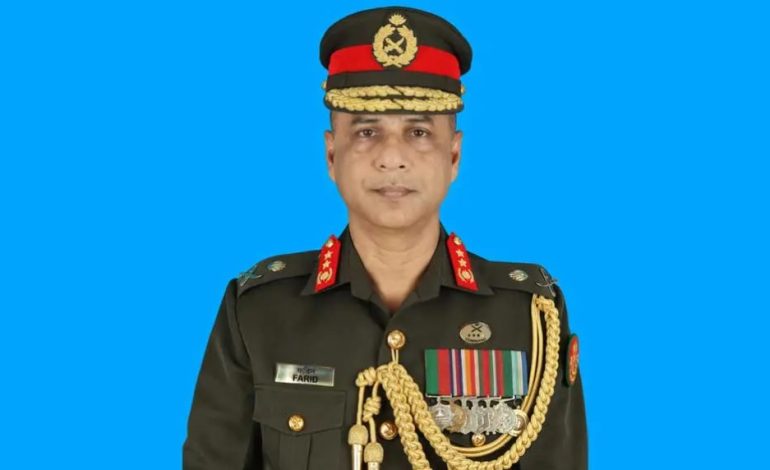
Major General Abu Mohammad Sarwar Farid.

New Delhi: Bangladesh’s intelligence chief has travelled to Pakistan less than two weeks after visiting India, drawing attention to Dhaka’s expanding security engagement with Islamabad at a time of shifting regional alignments. The visit coincides with high-level military discussions between Bangladesh and Pakistan, raising questions about the direction of their emerging defence and intelligence partnership and its implications for India.
Major General Abu Mohammad Sarwar Farid, director general of Bangladesh’s National Security Intelligence (NSI), reportedly departed Dhaka for Islamabad on Monday aboard an Emirates flight. According to media reports, the intelligence chief is expected to meet senior Pakistani security officials during his two-day visit, although Dhaka has not publicly disclosed the programme.
Farid is expected to hold discussions with representatives of Pakistan’s Inter-Services Intelligence (ISI), Intelligence Bureau and other security organizations. However, neither government has publicly confirmed the complete agenda, making it difficult to establish whether the discussions concern routine intelligence coordination or a more substantial bilateral arrangement.
His Islamabad visit follows an October 25 trip to New Delhi, where he attended the eighth South Asian Counter Terrorism Conference, which brought together intelligence and security officials from several countries. The conference focused on regional cooperation against terrorism, narcotics trafficking and human trafficking, providing a platform for exchanges on common security challenges.
Significantly, Bangladeshi officials had described Farid’s India visit as a multilateral engagement rather than a bilateral intelligence mission. A source quoted by the Daily Star specifically rejected suggestions that his attendance should be interpreted as a separate security initiative between New Delhi and Dhaka.
Pakistan-Bangladesh military contacts gather pace
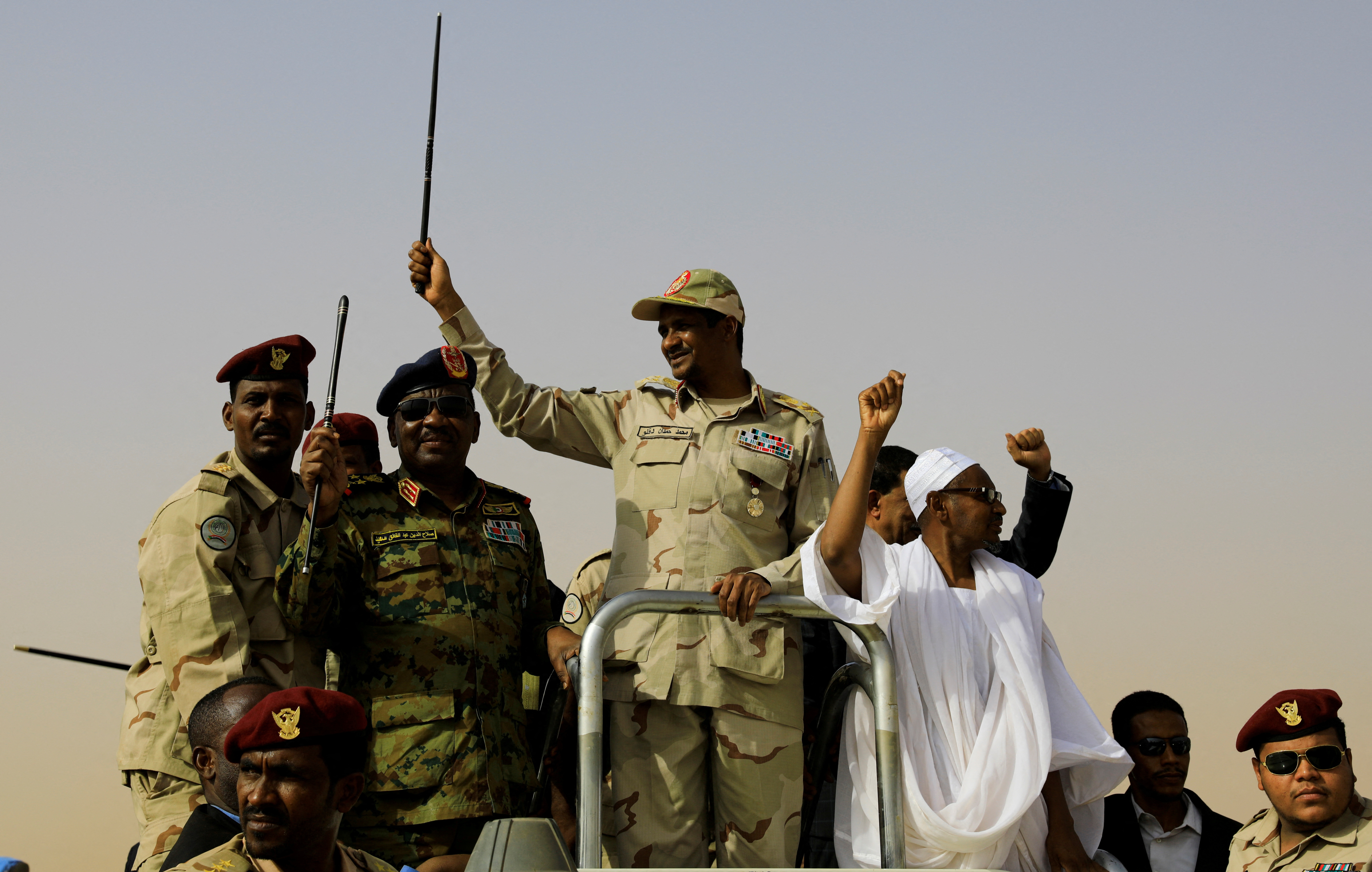
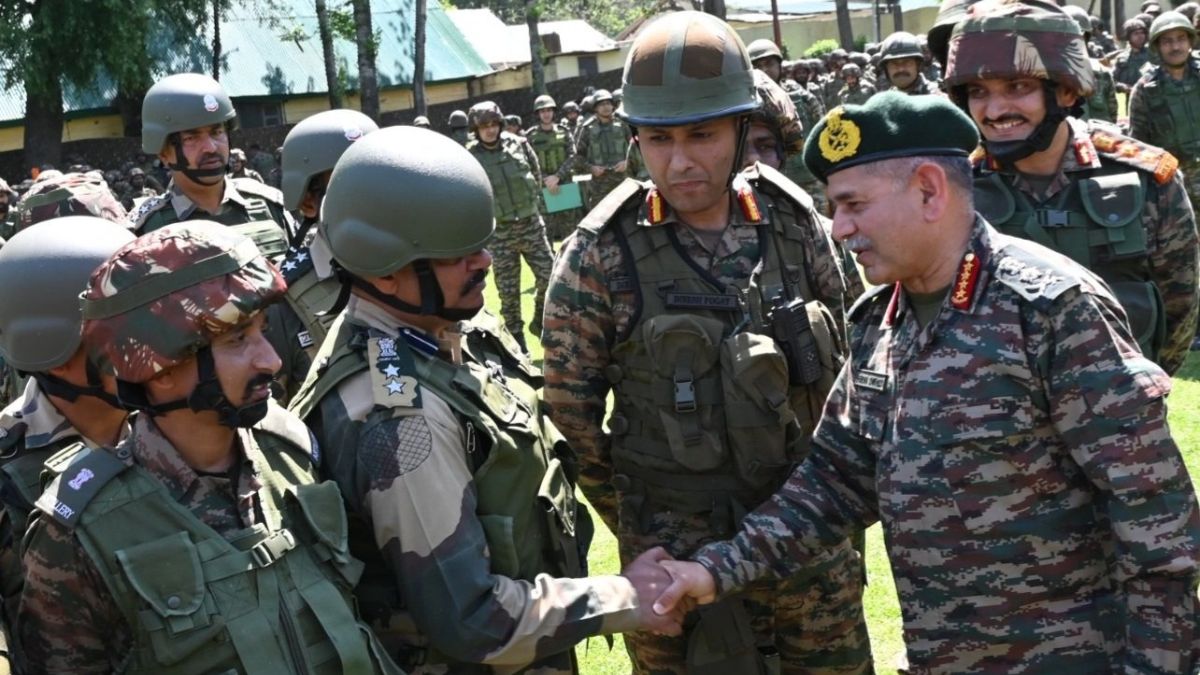
Farid’s journey assumes greater significance because a senior Pakistani military delegation is simultaneously visiting Bangladesh for discussions on expanding cooperation between the two armed forces. The delegation, led by Pakistan’s director general of military operations, Major General Kashif Abdullah, began engagements with senior Bangladeshi officers on November 9.
According to Northeast News, the discussions concern an army-to-army framework that could formalize military information-sharing, staff-level exchanges, joint training and operational coordination. The reported proposals also envisage cooperation in strategic planning, although the precise provisions and implementation status remain publicly unverified.
The Bangladeshi side is being represented by senior officers, including Lieutenant General Mir Mushfiqur Rahman, principal staff officer of the Armed Forces Division. The Pakistani delegation is also scheduled to engage Lieutenant General Mainur Rahman, the Bangladesh Army’s chief of general staff, as discussions continue on strengthening institutional military contacts.
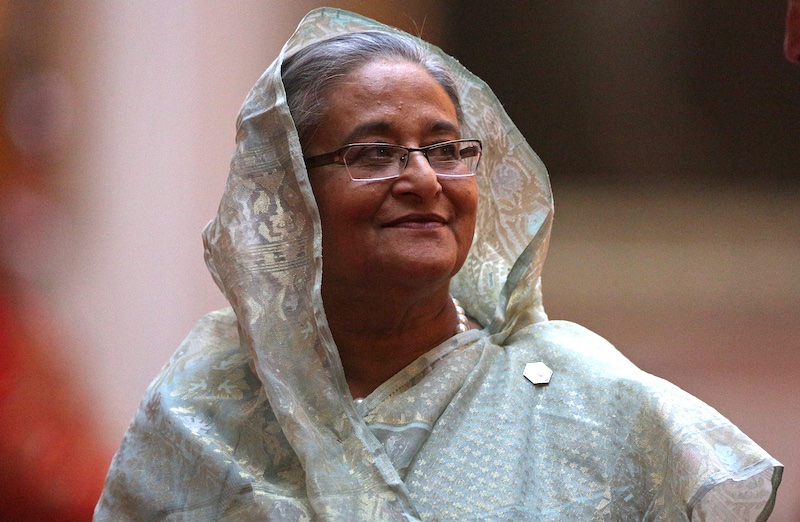
The latest exchanges are part of a broader improvement in Dhaka-Islamabad relations following the removal of Sheikh Hasina’s government in August 2024. Since then, the two countries have expanded diplomatic and defence contacts, gradually rebuilding a relationship long constrained by the historical legacy of Bangladesh’s independence from Pakistan in 1971.
Another significant development involves the director general of Bangladesh’s Directorate General of Forces Intelligence (DGFI), Major General Mohammad Kaiser Rashid Chowdhury, who visited Islamabad in April this year after travelling to New Delhi. The successive visits by senior intelligence officers indicate that security cooperation has become an increasingly visible component of Bangladesh’s foreign relations.
The rapprochement is extending beyond military institutions into civilian administration, with 35 senior Bangladeshi government officials scheduled to attend a Pakistani-funded training programme in Lahore from November 9 to 22. According to the Bangladesh Observer, the delegation includes five additional secretaries and 30 joint secretaries, reflecting a widening scope of institutional engagement.
What the developments mean for India
For New Delhi, closer Bangladesh-Pakistan intelligence cooperation presents an issue requiring careful assessment, particularly because India shares a 4,096-kilometre border with Bangladesh. Intelligence exchanges have traditionally been important for monitoring cross-border militant networks, illegal migration, organized crime and security threats affecting India’s northeastern states.
However, renewed contacts between Dhaka and Islamabad do not, by themselves, establish the existence of an anti-India intelligence arrangement. Their strategic implications will depend on whether the engagement develops into operational cooperation, information-sharing mechanisms or formal defence commitments that could affect India’s security interests.
The developments come as India and Bangladesh are attempting to rebuild political engagement following a difficult period in bilateral relations. On November 3, India’s external affairs ministry reiterated its preference for positive, constructive and forward-looking ties with Bangladesh, while confirming that an invitation remained open for the Bangladeshi prime minister, Tarique Rahman, to visit India.
The unresolved question of Hasina’s continued presence in India, together with border-management concerns and competing regional interests, has complicated that process. Against this background, Dhaka’s simultaneous engagement with New Delhi and Islamabad suggests an effort to diversify security partnerships, although the extent of any strategic realignment remains uncertain.
For India, the immediate priority will be to assess the substance of these intelligence exchanges rather than merely their frequency. Whether Bangladesh’s growing security relationship with Pakistan becomes a source of strategic friction or remains part of Dhaka’s broader diplomatic balancing will depend on the agreements and operational cooperation that eventually emerge.