

6 Indian seafarers stranded at Karachi port for months as families seek MEA intervention
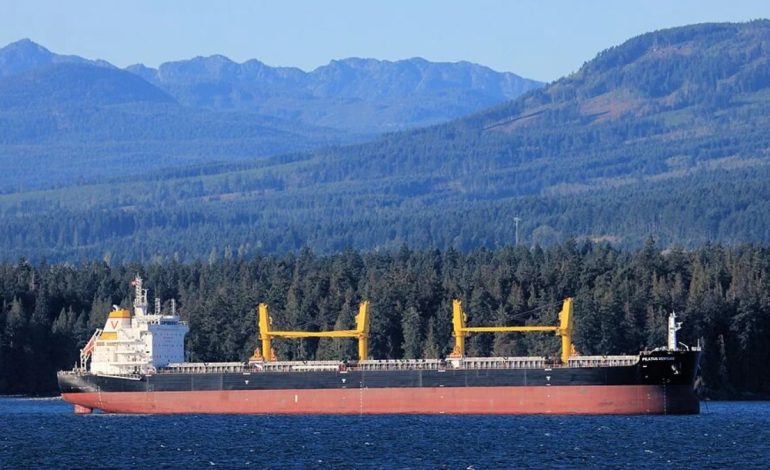
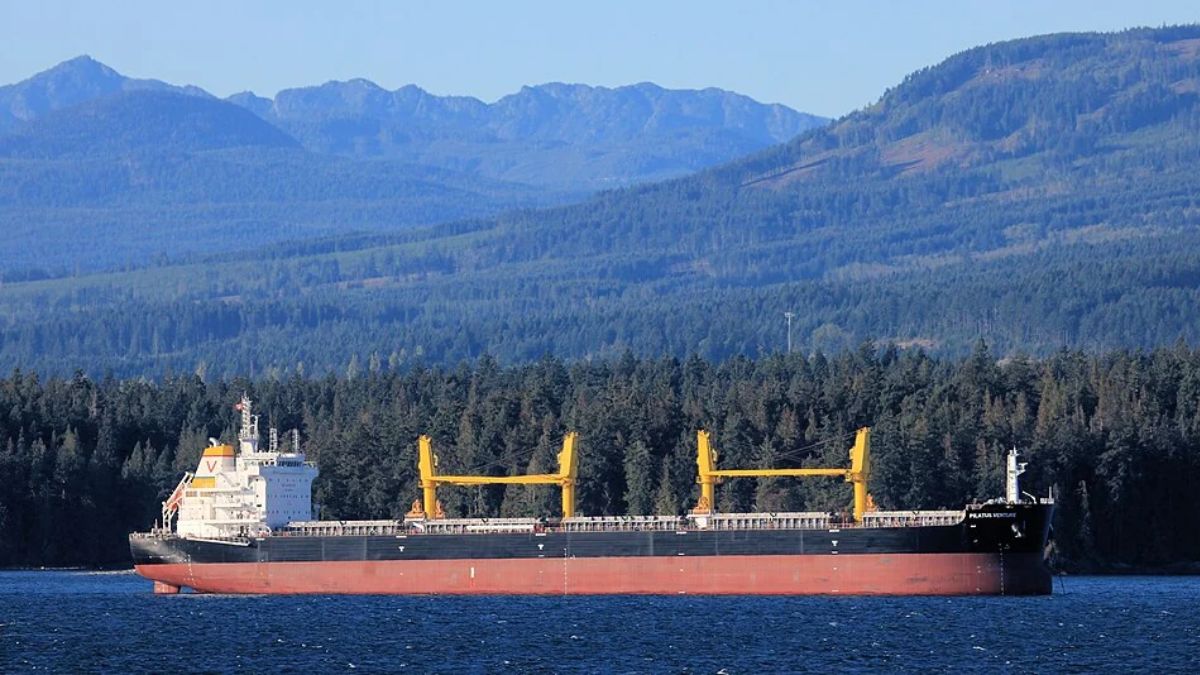
(Representative picture via Wikimedia Commons.)

New Delhi: Six Indian seafarers remain stranded aboard the cargo vessel Kever at Pakistan’s Karachi port more than six months after its arrival, even as arrangements are reportedly under way for their replacement and repatriation. Six relief crew members are said to be awaiting permission to board the vessel, while the families of those stranded continue seeking government intervention.
According to Deccan Chronicle, citing government sources, all six Indian seafarers are safe, and the replacement crew members are staying at a hotel in Pakistan pending formal embarkation clearance from Karachi port authorities. The reported arrangements involve coordination between the Ministry of External Affairs (MEA) and the Indian diplomatic mission in Pakistan, although no date has been confirmed for the seafarers’ return.
Among those aboard is Vineet Kishore Mishra, the vessel’s chief officer from Prayagraj, Uttar Pradesh. His family says he joined an Iran-based shipping company on February 25 and reached Karachi aboard Kever on April 17. His six-month contract expired in August, but he has not been allowed to sign off and return home, according to his wife.
Mishra has worked in the merchant navy for nearly a decade. He left India for Iran in February this year for his latest professional assignment, which has since turned into months of uncertainty for his family, including his wife and two young children.
Neha Mishra says she speaks to her husband only once every 15 to 20 days, often for barely two minutes. She alleges the vessel has been without electricity for three months and that crew members’ passports were taken away. These allegations have not been independently confirmed.
“The vessel has been under complete blackout for the last three months,” Neha told NDTV.
Vineet’s father, retired Army serviceman, Lalit Kishore Mishra, alleged shortages of food and water. He said his son described receiving just two biscuits for breakfast, with other meals arriving much later.
Sindh high court ordered vessel’s arrest
Sindh high court records show that MV Kever was subject to an arrest order issued on September 3, 2026, in an admiralty dispute involving a claim of $221,700.34 for allegedly unpaid ship-management and operational services. The court identified the vessel as berthed at B-21, West Wharf, Karachi Port, and temporarily restricted its departure.
The order allowed the vessel’s release against specified financial security. However, its subsequent legal status and any connection between the proceedings and delays in replacing the Indian crew have not been independently established.
International maritime body records abandonment case
Separately, the International Transport Workers’ Federation (ITF) has listed Kever, identified by IMO number 9088653, in its seafarer-abandonment register.
The case, reported on May 1, involves 12 Indian and Iranian seafarers, with six months of outstanding wages recorded. Its status remains open.
The ITF abandonment register also marks the vessel’s listed Botswana registration as false, raising questions about its registration status. The listing does not independently establish the conditions reported by Mishra’s family.
Families seek diplomatic intervention
Neha and Lalit say they approached India’s diplomatic mission in Pakistan and submitted representations to the prime minister’s office, president’s secretariat and MEA.
Although the family earlier reported receiving assurances, the latest government-linked reporting indicates progress towards repatriation. However, formal clearance for the replacement crew to board the vessel remains pending, and no date has been confirmed for the six Indian seafarers to return home.
The September court order established restrictions on the vessel’s departure, but its current legal status remains unclear. It also does not establish why the Indian crew members cannot disembark or whether the proceedings are responsible for delays in their replacement.
The immediate questions remain who holds their travel documents, what arrangements are being made for their welfare and when the six Indians can safely return home.