

Trump springs Kim Jong Un meeting surprise ahead of China summit with Xi, Putin; Nvidia scandal clouds talks
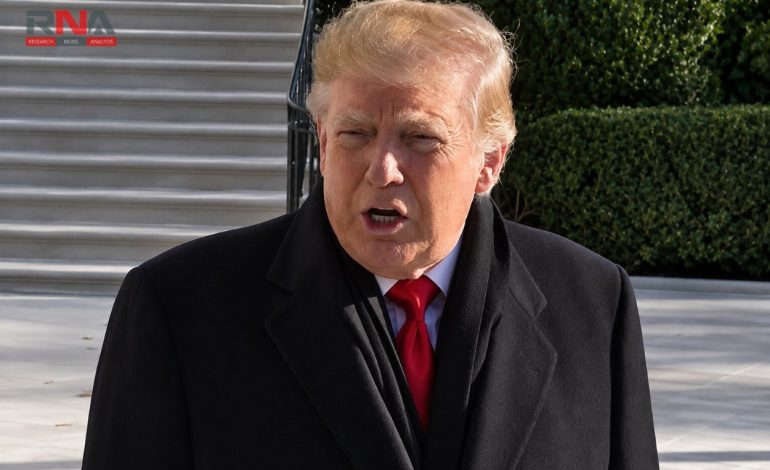
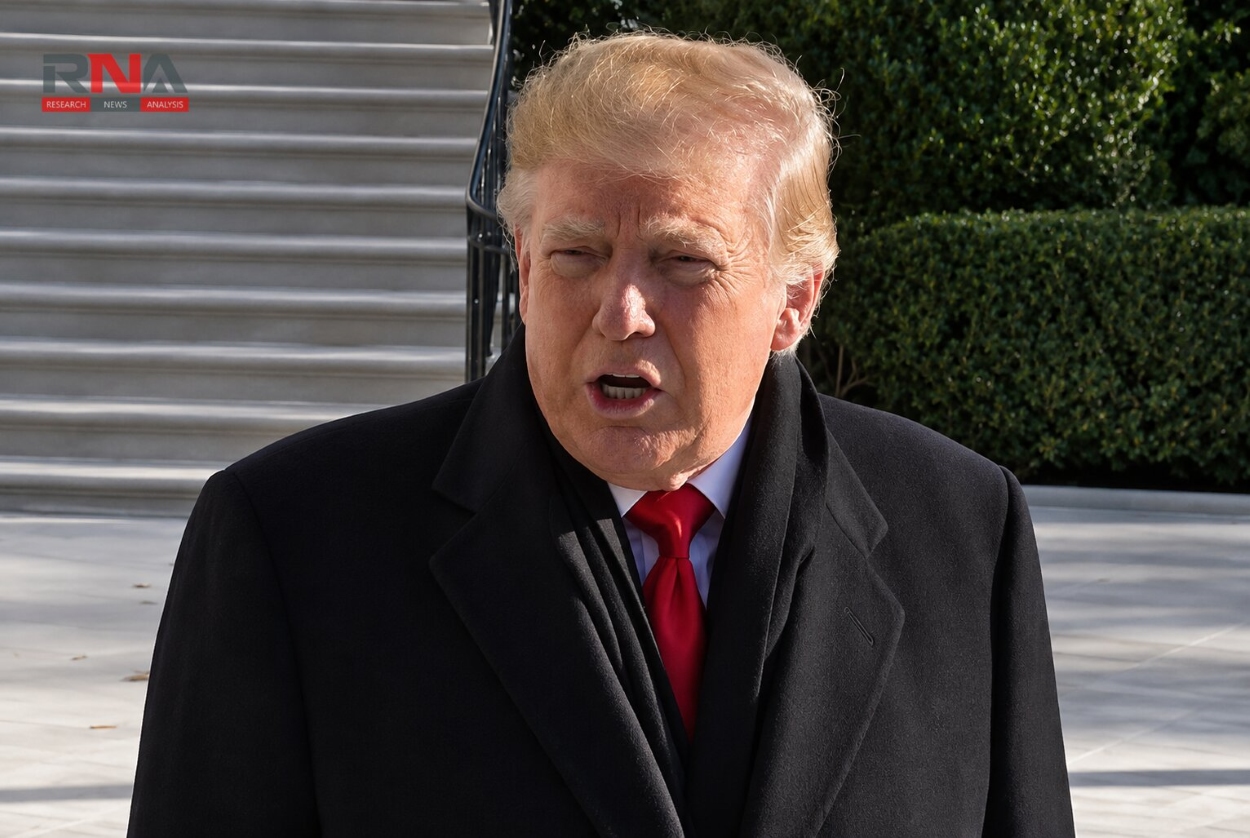
Donald Trump speaking to reporters at the White House before leaving for his Asia trip, on November 16, 2026.

New Delhi: The US president, Donald Trump, has unexpectedly raised the prospect of meeting North Korean leader Kim Jong-un in China this week, potentially adding another diplomatic dimension to his high-stakes talks with the Chinese president, Xi Jinping, and the Russian president, Vladimir Putin. The announcement came as Trump departed Washington for an Asian tour dominated by nuclear security, the Ukraine and Iran wars, and an escalating controversy over American technology giant Nvidia and its alleged links to Chinese intelligence operations.
Speaking to reporters outside the White House on Monday, Trump suggested that Kim could join the gathering of world leaders in Shenzhen, where the Asia-Pacific Economic Cooperation (APEC) summit is taking place. However, he acknowledged that no arrangements had been finalized and indicated that the North Korean leader’s participation would depend largely on Xi.
“We may meet with Kim Jong-un also, so that’ll be good,” Trump said, adding that Xi might invite the North Korean leader to China. His remarks introduced an unexpected possibility into an already crowded diplomatic programme, although American officials had previously indicated that no meeting with Pyongyang was scheduled.
Trump is expected to participate in an unprecedented trilateral meeting with Xi and Putin on Thursday with strategic stability, nuclear arms control and major international conflicts likely to dominate discussions. The American president has also signalled his intention to raise Russia’s invasion of Ukraine, despite earlier indications from his administration that the conflict might not feature prominently in the talks.
China’s foreign ministry has described the proposed three-way meeting as an opportunity to strengthen communication between the world’s leading powers and manage differences that could threaten international stability. The Kremlin has similarly emphasized the importance of the discussions, although expectations of a substantial diplomatic breakthrough remain limited.
Trump’s unfinished nuclear diplomacy with North Korea
The possibility of another Trump-Kim encounter immediately revived memories of the American president’s unconventional engagement with Pyongyang during his first term. After initially exchanging threats and personal insults, the two leaders met in Singapore in June 2018, Hanoi in February 2019 and the Korean Demilitarized Zone in June 2019.
Those encounters produced unprecedented diplomatic images but failed to establish a lasting agreement on dismantling North Korea’s nuclear weapons programme. The Hanoi summit collapsed over disagreements concerning sanctions relief and denuclearization, leaving Washington and Pyongyang without an agreed framework for resolving their central security dispute.
Since then, North Korea has continued developing nuclear weapons and increasingly sophisticated missile systems, strengthening its ability to threaten regional adversaries and potentially the American mainland. Pyongyang has also deepened its strategic relationship with Moscow, complicating Washington’s efforts to isolate the country diplomatically and economically.
Trump has repeatedly expressed interest in renewing personal diplomacy with Kim, arguing that their previous relationship could provide the basis for fresh negotiations. However, Reuters reported that North Korea had indicated little interest in an immediate meeting, raising questions about whether the latest proposal could translate into substantive discussions.
Beijing’s possible role is particularly significant because China remains North Korea’s principal economic partner and an important diplomatic interlocutor. Nevertheless, even a meeting facilitated by Xi would leave unresolved the fundamental disagreement over Pyongyang’s nuclear arsenal and the sanctions imposed in response to its weapons development.
Nvidia scandal casts shadow over US-China talks
Trump’s visit also comes against the backdrop of a widening controversy involving Nvidia, the American semiconductor company whose advanced processors underpin much of the global artificial intelligence industry. Its former chief executive, Jensen Huang, resigned last week following revelations about extramarital relationships, including one involving Alice Huang, a businesswoman whom American intelligence agencies reportedly suspect of links to Chinese intelligence.
The allegations have drawn additional scrutiny because Alice Huang previously worked with Singapore-based Megaspeed International, a company associated with concerns about possible diversion of restricted American AI chips to Chinese customers. China has denied the espionage allegations, and Nvidia has maintained that it has found no evidence that American national security or its confidential technology was compromised.
As RNA Media previously reported, Huang’s departure triggered considerable uncertainty across the artificial intelligence industry and intensified questions about corporate governance and compliance with American technology-export restrictions. Nvidia subsequently appointed its longtime chief financial officer, Colette Kress, as interim chief executive as its board began addressing the leadership crisis.
On Monday, Trump unexpectedly expressed support for the possibility of Huang returning to Nvidia, suggesting that the former chief executive had learned an important lesson. He also questioned whether Alice Huang was actually involved in espionage and indicated that the controversy might be discussed with Xi, although American officials had earlier suggested that the specific intelligence investigation was unlikely to feature in the bilateral talks.
The controversy has exposed differences within Trump’s administration, particularly between the treasury secretary, Scott Bessent, and the commerce secretary, Howard Lutnick, over the enforcement of export controls. Bessent has questioned whether sufficient safeguards existed to prevent advanced American processors from reaching unauthorized Chinese customers, while Lutnick faces growing scrutiny over his department’s handling of suspected violations.
In a significant development on Monday, the US commerce department announced additional restrictions targeting overseas access to advanced American computing chips and servers. The measures require stronger customer verification by certain foreign data centres and tighten licencing requirements for exports to countries considered potential transit points for sensitive technology, according to AP.
Separately, as RNA Media reported, Washington is preparing to designate more than two dozen American technology companies, potentially including Nvidia, as national AI champions to strengthen their competitiveness overseas. The proposed initiative illustrates the competing pressures facing the administration – promoting American technological leadership internationally while restricting China’s access to strategically sensitive capabilities.
Why Shenzhen summit matters for India
The wider diplomatic implications extend beyond Washington’s immediate relationships with Beijing, Moscow and Pyongyang, particularly for countries such as India that maintain significant strategic interests across the Indo-Pacific. New Delhi will closely watch any understanding between the three powers on nuclear security, technology restrictions and Ukraine, given India’s defence relationship with Russia, economic competition with China and expanding technology partnership with the United States.
For Trump, the Shenzhen meetings offer an opportunity to demonstrate diplomatic influence following his party’s setbacks in the November 3 congressional elections. However, the prospects of concrete agreements remain uncertain, particularly when competing security interests, deep-rooted strategic mistrust and unresolved geopolitical conflicts continue to divide the participating governments.
A meeting with Kim, should it materialize, would generate enormous international attention and potentially reopen a diplomatic channel that has remained largely dormant for years. Whether it could deliver anything beyond political symbolism would depend on the willingness of Washington and Pyongyang to move beyond personal diplomacy towards verifiable commitments on nuclear weapons and regional security.