
India presses Iran again on shipping safety as Hormuz tensions refuse to ease
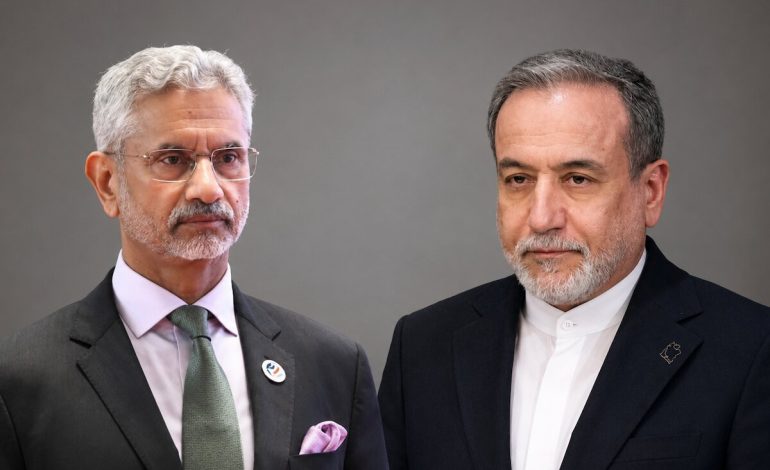
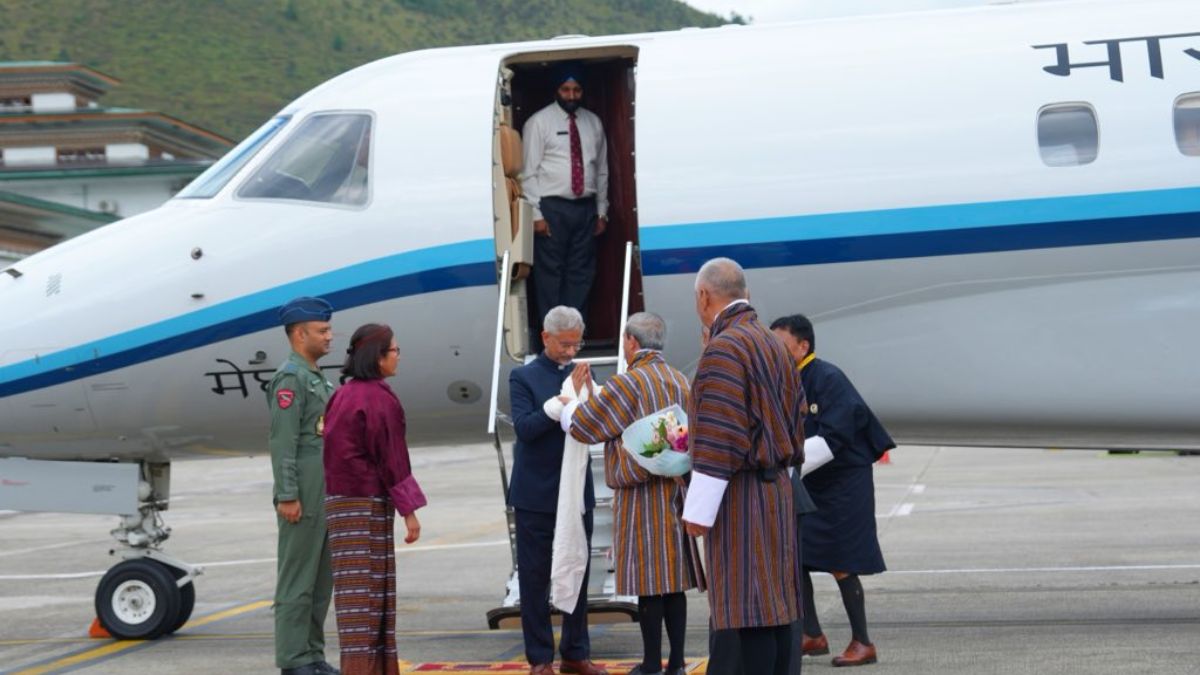
This combination photo shows S Jaishankar (L) and Abbas Araghchi.

New Delhi: The external affairs minister, S Jaishankar, spoke by telephone with his Iranian counterpart, Abbas Araghchi, on Friday, urging Tehran to ensure that commercial shipping and seafarers are not targeted amid the continuing hostilities in the Gulf. The call marked yet another round in a now-familiar pattern of diplomatic outreach between New Delhi and Tehran since the conflict involving Iran, the United States and Israel erupted earlier this year.
Jaishankar told Araghchi that India condemns attacks on commercial vessels “by any party” according to a statement issued after the conversation. Araghchi, for his part, briefed the minister on Iran’s assessment of the fast-moving situation in the region.
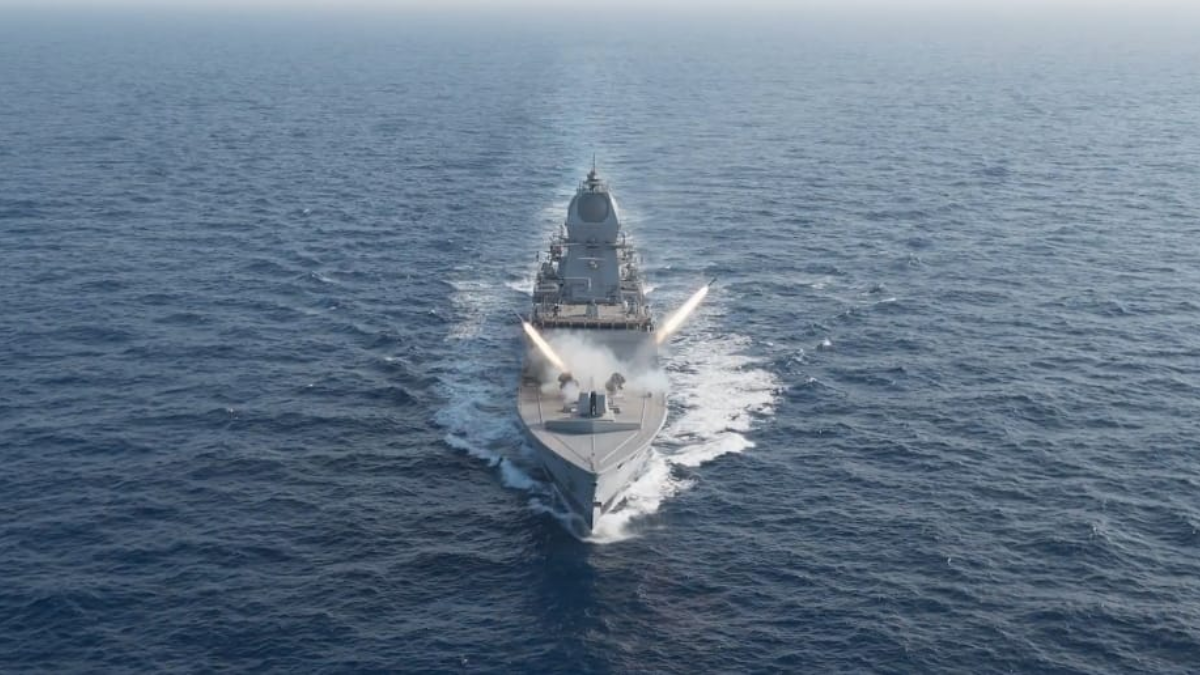
New Delhi’s position has hardened as the toll on Indian seafarers has mounted through the year. Just weeks earlier, on July 14, an Indian sailor was killed and 10 others were wounded when Iranian forces struck two UAE-flagged tankers in the Strait of Hormuz, prompting a formal protest from the Ministry of External Affairs. Of the 46 crew members aboard those two vessels, 30 were Indian nationals, underscoring how heavily India’s maritime workforce is exposed to the crisis.
This is not the first – nor even the fourth – time the two foreign ministers have spoken since the war began on February 28, 2026. Jaishankar and Araghchi held their first conversation soon after the initial US-Israeli strikes, followed by further calls in March, April and May, each dealing with the safety of shipping lanes and India’s energy security. The recurring dialogue reflects both the scale of India’s stakes in the Gulf and the limited leverage any single power holds over an escalating conflict.
Quiet diplomacy continues
India has consistently avoided taking sides in the Iran-US-Israel confrontation, choosing instead to press all parties towards restraint and dialogue. In March, the MEA described the conflict as a source of “deep anxiety”, given India’s proximity to the region and the presence of hundreds of thousands of Indian workers across the Gulf. That caution has remained the hallmark of New Delhi’s approach even as the fighting has intensified.
The prime minister, Narendra Modi, has also engaged directly on the issue, telling the Iranian president, Masoud Pezeshkian, in a call that keeping international shipping lanes open remained essential. The Strait of Hormuz, through which roughly a fifth of the world’s oil and gas once passed before the war disrupted flows, has emerged as the single most consequential chokepoint in the crisis.
India has taken its concerns beyond bilateral channels, too. At the United nations security Council in June, India’s permanent representative, Harish Parvathaneni, told members that Indian nationals had died or gone missing in attacks on merchant ships and vital sea routes. Speaking separately at the International Maritime Organisation, India’s representative, Vikram Doraiswami, called the targeting of commercial shipping “unacceptable” and warned of the grave risk of marine pollution from strikes on vessels.
Widening toll on global shipping
The dangers are not confined to Indian-flagged vessels. According to the International Maritime Organisation, some 61 commercial ships have come under attack in the Persian Gulf, the Strait of Hormuz and the Gulf of Oman since March 1, killing at least 17 seafarers and injuring dozens more.
Iran’s Houthi allies in Yemen have opened a parallel front in the Red Sea, firing on Saudi tankers after declaring what they called a maritime embargo against Riyadh. Ukraine, separately, claims to have struck more than 150 vessels linked to Russia’s so-called shadow fleet in the Sea of Azov and the Black Sea, a reminder of how maritime warfare has spread well beyond West Asia this year.
Jaishankar has repeated his warning on international platforms as well. Addressing the East Asia Summit in Manila on July 23, he said attacks on seafarers, civilian shipping or infrastructure “cannot be countenanced” under any circumstances, and called for strict adherence to the UN Convention on the Law of the Sea.
Why Hormuz matters so much
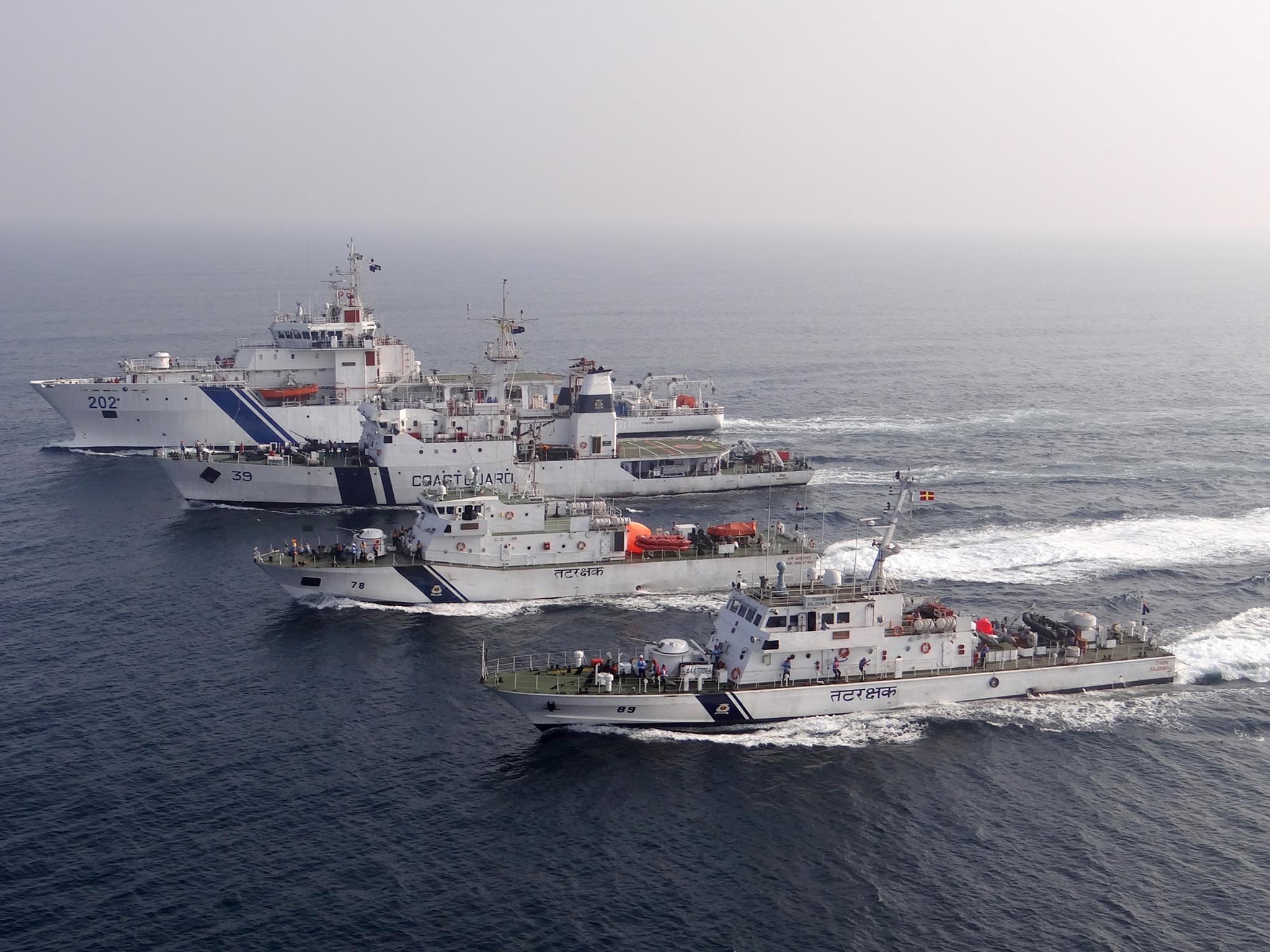
For India, the matter is straightforward: a significant share of its energy imports and a large proportion of its overseas maritime workforce pass through or operate in the Gulf. The government has responded by activating a quick response team, mandating real-time tracking of Indian-flagged vessels and setting up dedicated helplines for shipowners and crew.
The shipping ministry, under Union minister Sarbananda Sonowal, has also stepped up monitoring of Indian maritime assets since Iran briefly closed the strait earlier this year, an act that sent oil prices soaring and rattled energy markets worldwide. With India’s dependence on Gulf oil and the safety of thousands of its seafarers both riding on the stability of this narrow waterway, New Delhi’s insistence on dialogue over escalation is likely to remain a fixture of its diplomacy for as long as the conflict drags on.