

Government monitors China’s Indian Ocean port push, MoS tells Rajya Sabha
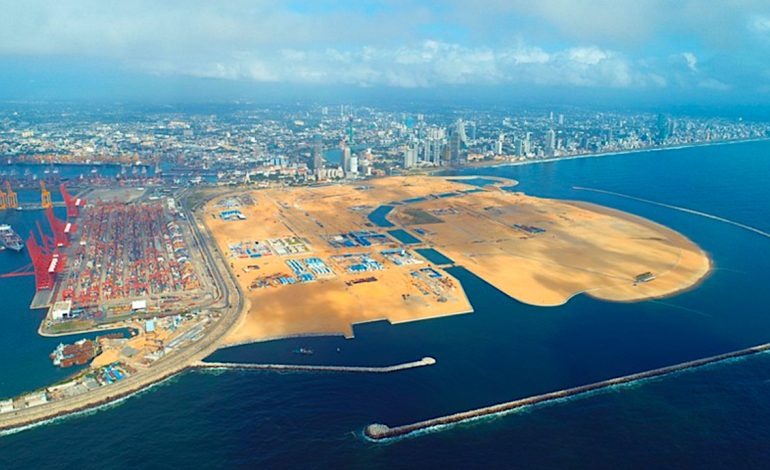
The Chinese built and controlled Hambantota port. (Photo courtesy: Global Times)

New Delhi: The government said it is closely monitoring developments in the Indian Ocean region (IOR) that have a bearing on India’s security and economic interests, and takes appropriate measures to safeguard them. This assurance was given by the minister of state for external affairs, Kirti Vardhan Singh, while answering a question in the Rajya Sabha on Thursday.
Singh was replying to an unstarred question from the Shiv Sena (UBT) MP, Sanjay Raut, who had asked whether the government had assessed the strategic implications of China’s expanding ownership, financing and operational control of ports in neighbouring countries and the IOR, and whether an inter-ministerial review or White Paper had been prepared on China’s maritime footprint.
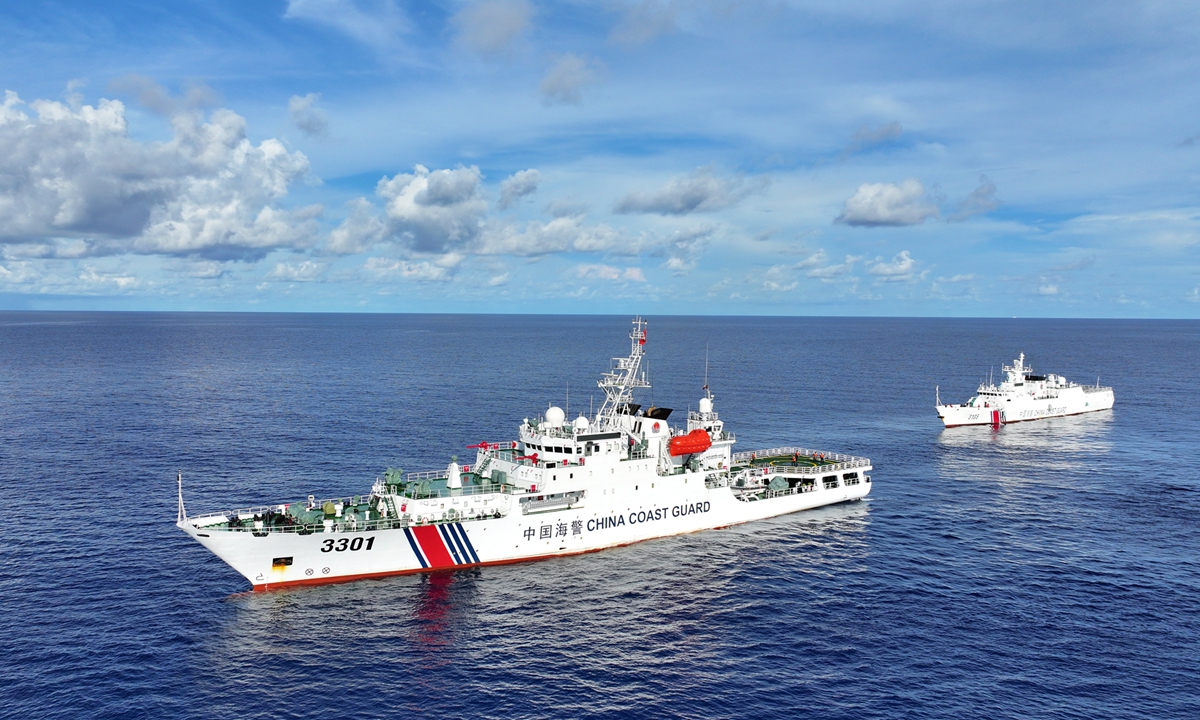
In a combined reply to all four parts of the question, the minister said the government was aware of China’s actions, including the development of ports and other infrastructure facilities in littoral countries of the IOR. China also maintains a naval and maritime presence in the region through anti-piracy escort missions, port calls and the deployment of research and survey vessels, he said.
The minister did not confirm whether a dedicated inter-ministerial review or white paper on China’s maritime footprint has been prepared, choosing instead to reiterate that the government “closely monitors all developments” impinging on India’s security and economic interests.
Singh said India’s relations with countries in the IOR are comprehensive, long-standing and independent of those countries’ ties with any third country. Neighbours including Sri Lanka, Maldives, Mauritius and Seychelles occupy a central place in India’s Neighbourhood First policy and its MAHASAGAR (Mutual and Holistic Advancement for Security and Growth Across Regions) vision, he said, adding that political relations across the region remain robust, with trade, investment, development projects and infrastructural cooperation all progressing.
Concerns over China’s expanding footprint in the IOR have grown over the past decade, with Beijing financing and operating port projects in several littoral states, including Hambantota in Sri Lanka and Gwadar in Pakistan. Indian strategic analysts have long flagged the dual-use potential of such facilities, along with the People’s Liberation Army – Navy’s use of survey and research vessels in waters close to India’s coastline.
The MAHASAGAR vision, articulated by the prime minister, Narendra Modi, during his visit to Mauritius earlier this year, has since been positioned by New Delhi as its overarching framework for engagement with Indian Ocean littoral and island states, building on the older Sagar (Security and Growth for All in the Region) doctrine.
Raut’s question had also sought details of diplomatic, strategic and economic measures taken over the last five years to safeguard India’s interests and leadership in the region, a specific point the minister’s reply addressed only in general terms.