



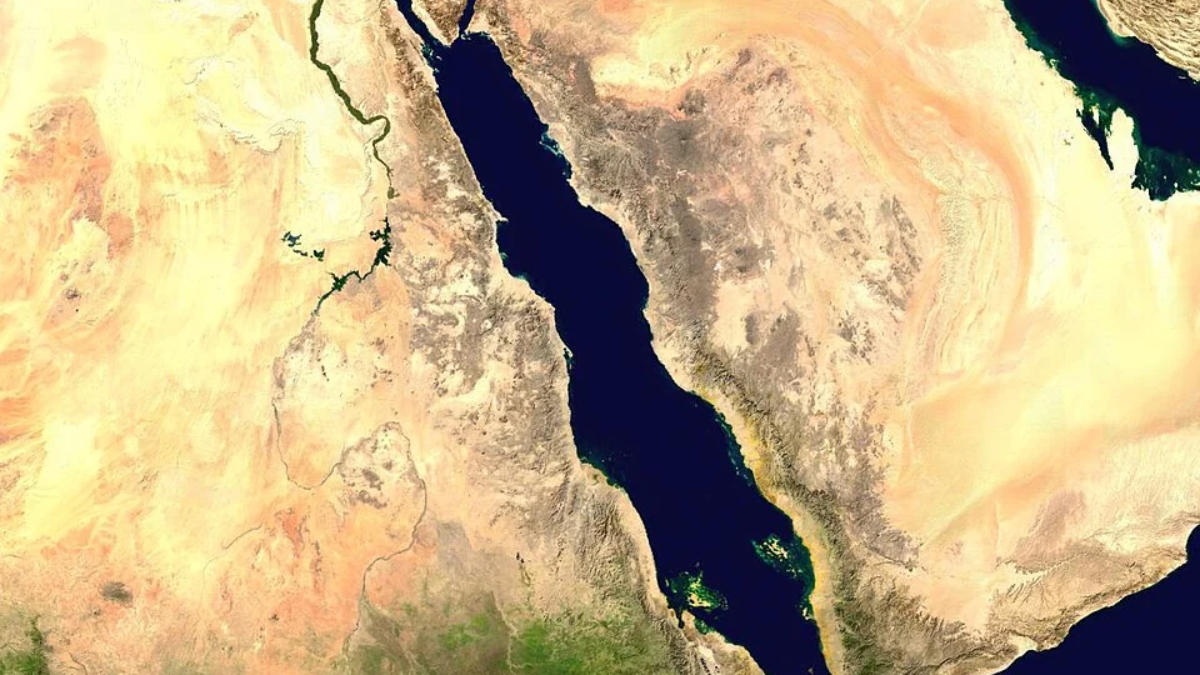
Yemen forces’ retreat gives Houthis greater leverage over key Red Sea shipping route
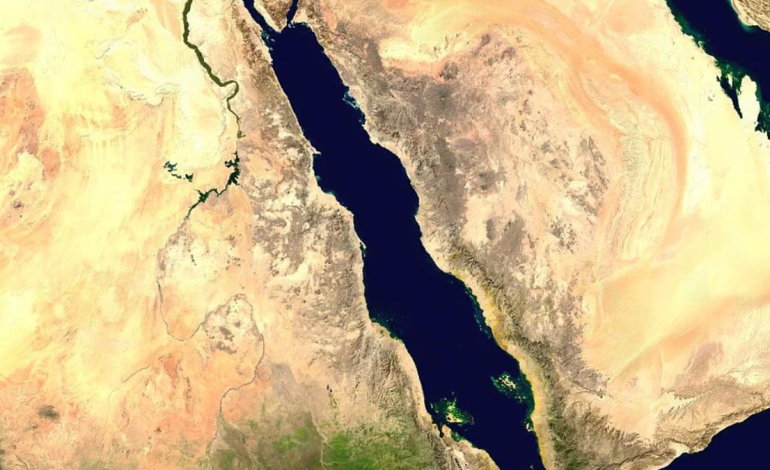
Yemeni forces retreat near the Red Sea coast. (Image courtesy: Wikimedia)

New Delhi: The Saudi Arabia-backed Yemeni forces announced on Sunday that they were redeploying troops from Dhubab Airport and the Bab al-Mandab area towards Aden, the interim capital of Yemen’s internationally recognized government. The forces said the move was intended to strengthen defences around Aden and address growing security threats.
The withdrawal marks a setback for the Saudi-backed counteroffensive launched to regain parts of Yemen’s Red Sea coast seized by the Houthis in September.
Houthi-run media reported that the group had taken control of the vacated territory. However, Reuters reported that government forces had moved to al-Suqyah, south of Dhubab, and were still attempting to push Houthi fighters away from nearby coastal positions.
Why Bab al-Mandab matter
The Bab al-Mandab Strait connects the Red Sea with the Gulf of Aden and the Arabian Sea. It is a critical route for commercial vessels travelling between Asia and Europe through the Suez Canal.
Any disruption can force ships to travel around the Cape of Good Hope in southern Africa, increasing journey times, fuel consumption, freight costs and insurance expenses.
According to the US Energy Information Administration (EIA), an average of 9.3 million barrels per day of crude oil, condensate and petroleum products passed through the strait in 2023. The volume fell to 4.1 million barrels per day in 2024 and stood at 4.2 million barrels per day in the first half of 2025.
These figures highlight the route’s importance to global energy transportation, although they do not represent current traffic levels.
Saudi Arabia faces pressure on key energy routes
The developments come as regional shipping faces disruption around the Strait of Hormuz amid the wider conflict involving Iran.
Saudi Arabia has relied on its East-West Crude Pipeline to transport crude oil towards the Red Sea port of Yanbu, bypassing the Strait of Hormuz. Reuters reported that around four million barrels per day were being routed through the pipeline amid the disruption.
The pipeline was also struck in the Medina region on November 9, according to Saudi state media. The fire was extinguished, with no casualties or disruption to operations reported.
A stronger Houthi position near Bab al-Mandab could add further uncertainty for shipping companies already assessing risks across the region.
Fighting deepens Yemen’s humanitarian crisis
The renewed fighting has worsened Yemen’s humanitarian situation. The International Organization for Migration (IOM), in its November 11 update, reported that 334,181 people had been displaced since the escalation began in June 2026. Taiz accounted for 141,096 of those displaced.
The city remains under a Houthi siege, with restrictions on movement and difficulties in delivering humanitarian assistance.
Yemen’s civil war began in 2014 when the Houthis seized Sanaa. A Saudi-led coalition intervened in 2015 in support of the internationally recognized government.
The latest withdrawal underlines how Yemen’s internal conflict is increasingly connected to regional maritime security. While the Houthis have gained a stronger position near Bab al-Mandab, the extent of their control over the wider area remains contested. Any further escalation could threaten a shipping corridor vital to international trade and energy supplies.