US warns Americans ‘Do Not Travel’ to Iran as Trump says he is in ‘deciding mode’
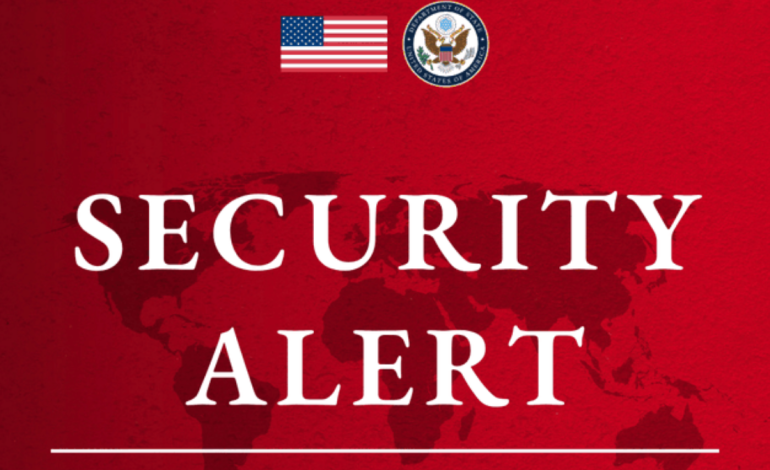
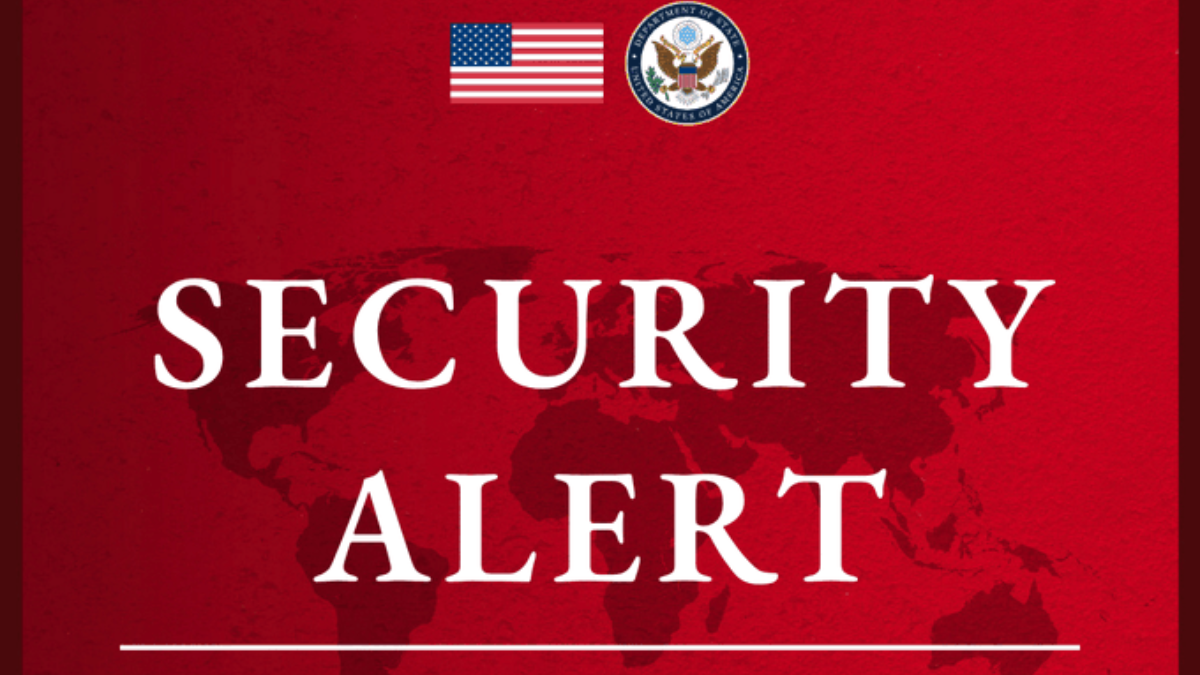
Trump says he is in ‘deciding mode’. (Image courtesy: X/@TravelGov)

New Delhi: Iran’s military has warned that the United States is preparing to resume strikes against the country, threatening retaliation against American bases and interests across the Middle East if a fresh attack takes place. The warning came as the United States president, Donald Trump, said he was in a “deciding mode” over Iran and cautioned that “very big things” could happen soon, while Tehran’s seven conditions for restarting negotiations remain on the table.
Iran’s said it had received information indicating that Washington was preparing for another attack. The military command warned that any renewed US assault would trigger retaliation and said countries that allow their territory or facilities to be used in support of American strikes could also be considered parties to the conflict.
Against the backdrop of the Iranian warning, Trump told Fox News, that he was in a “deciding mode” over the conflict. Trump also warned Iran to “better behave” and said big things were going to happen in the near future if Tehran did not change its course.
Trump also indicated that he was open to meeting the Iranian president, Masoud Pezeshkian, who is expected to travel to New York for the United Nations general assembly this week. Washington was weighing its options as tensions with Tehran remained high.
US issues fresh alert for Iran
The escalation was followed by a fresh US warning to Americans in Iran. The US virtual embassy in Iran urged American citizens to leave the country immediately and warned of possible flight cancellations and airspace closures as the regional security situation deteriorates. The notice also warned that the conflict involving Iran-backed Houthis and Saudi Arabia could escalate rapidly.
Iran has already been classified under Level 4: Do Not Travel since December 5, 2025. The new alert reflects the heightened security situation and the possibility of further escalation.
At the same time, Tehran has left open a diplomatic route. Iran has conveyed seven conditions to the US through Qatar for restarting negotiations and ending the war, with Tehran awaiting Washington’s response. As RNA Media reported on Sunday, the conditions include ending the war on all fronts, releasing frozen Iranian funds and lifting the US naval blockade on Iranian ports. Tehran has also sought a mechanism to resolve disputes under any new agreement.
Iran’s supreme national security council secretary, Mohsen Rezaei, has simultaneously warned that it is preparing for another major confrontation if its demands are rejected, highlighting the gap between its diplomatic outreach and military preparations.
Iranian parliament speaker, Mohammad Bagher Ghalibaf, has also said Tehran should use military pressure before turning to diplomacy and indicated that the Strait of Hormuz would remain closed until Iran’s conditions are met.
Houthi attacks widen regional risks
The Iran-US standoff is unfolding alongside a renewed conflict between Iran-backed Houthis and Saudi Arabia. The Houthis recently launched a ballistic missile towards Riyadh, while a senior Houthi official told Associated Press that the group had assured Washington it would not target US vessels in the Red Sea. The official nevertheless warned other countries against joining Saudi Arabia in Yemen’s conflict.
The Houthi escalation has added pressure around the Bab al-Mandab Strait, a key shipping route linking the Red Sea with the Gulf of Aden. With Iran also maintaining pressure around the Strait of Hormuz, the simultaneous crises are creating wider risks for regional security, maritime traffic and energy supplies.