

Ukraine strikes Russian logistics hubs and oil depot in major drone offensive, 9 killed
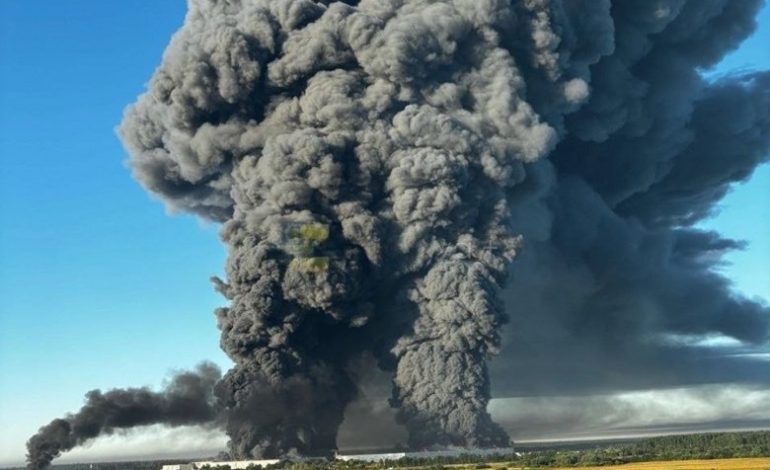
This screenshot taken from an amateur video shows a Wildberries warehouse in the Moscow region on fire after a Ukrainian drone attack. (Via X/@InfosFrancaises)

New Delhi: Ukrainian drones struck two major warehouses of Russia’s largest online retailer and an oil depot near Moscow in an overnight and Saturday afternoon offensive that killed nine people and wounded more than 80, Russian officials said. It is a part of Kyiv’s long-range campaign against Moscow’s military-logistics and energy infrastructure.
The strikes formed part of a wider pattern of Ukrainian long-range operations aimed at degrading Russia’s war-fighting capacity and bring the war to the homes to ordinary Russians after Moscow’s invasion of the country in February 2022.
Two sprawling distribution centres run by Wildberries, Russia’s dominant e-commerce platform, were struck by drones overnight, according to the governor of the Moscow region (Moscow Oblast), Andrei Vorobyov. One was in Kotovsk, in the Tambov region, roughly 360 kilometres from the Ukrainian border, while the other was in Elektrostal, about 50 kilometres east of Moscow.
A separate drone hit an oil depot in Noginsk, just north of Elektrostal, which sparked a fire and forced the evacuation of a nearby maternity hospital and a residential block, Vorobyov, said. Debris from the strike also struck a kindergarten building, he added, though the resulting fire was later extinguished.
Seven night-shift workers were killed and 25 others wounded at the Kotovsk facility, the governor of the Tambov region, Yevgeny Pervyshov, said. In the Moscow region, Vorobyov reported a total of 61 people wounded – 20 treated as outpatients and 40 hospitalized – with one further death from injuries sustained in the attack. A tenth casualty was reported in the southern border region of Belgorod, where local authorities said one person was killed and another wounded in a separate drone strike on Saturday afternoon.
Both Wildberries facilities caught fire. The company’s founder, Tatyana Kim, said the blaze at Kotovsk had been brought under control, though footage circulated by Russian online outlets showed flames still raging at the Elektrostal site, with heavy plumes of smoke visible for kilometres around.
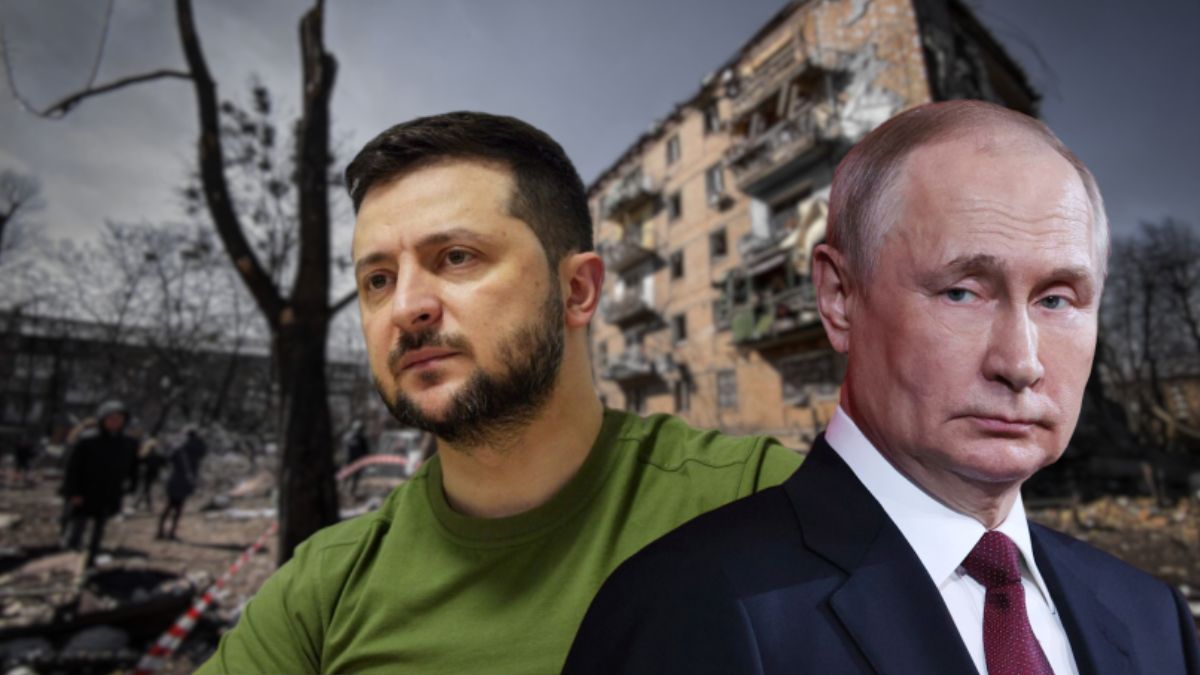
After the attacks,Ukraine’s president, Volodymyr Zelenskyy, wrote in a Telegram post that the strikes had hit two “significant logistics facilities” in the Moscow and Tambov regions. He described them as sites used by Russia to move sanctioned components for drone manufacture and navigation systems. He said an oil facility had also been targeted.
A residential building in Vladimir, about 180 kilometres east of Moscow, was also struck by a drone, sparking a brief fire, the region’s governor, Alexander Avdeyev, said, adding that there were no casualties there.
Zelenskyy said Ukrainian special forces had additionally carried out strikes on targets in the Sea of Azov and in Russian-occupied Ukrainian territory.
Naval and maritime targets also struck
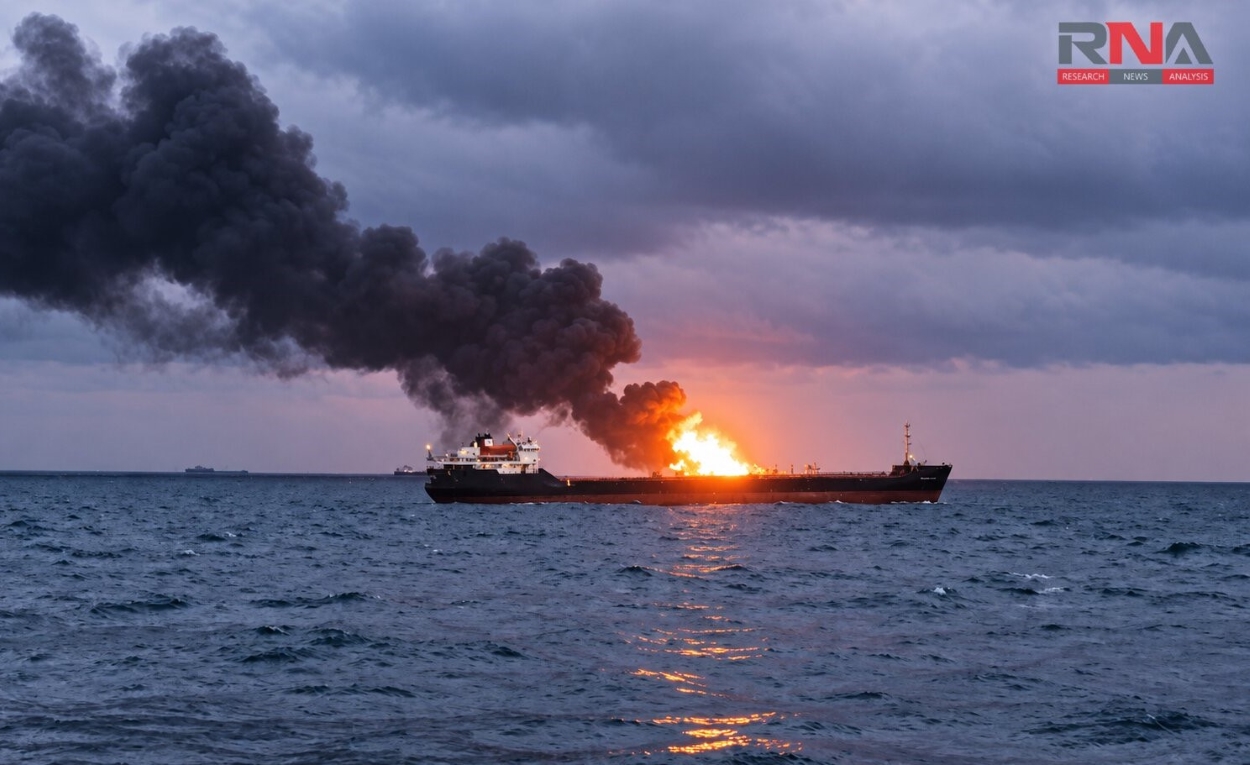
Ukraine’s military said the Noginsk fuel depot had supplied the Russian armed forces, and separately reported hitting two tankers, two floating cranes and a tugboat in the Black Sea and the Sea of Azov, vessels it said were being used to move oil, fuel and military cargo. It also said it had struck a Project 10410 Svetlyak-class patrol vessel off Kerch, in occupied Crimea – the second such vessel it claims to have hit in two days – as well as a railway bridge over the Bila River near Sabivka in the occupied Luhansk region, which it said Russia used for military logistics.
Russia’s defence ministry said its air defences had intercepted 379 Ukrainian drones overnight across 19 Russian regions, along with occupied Crimea, the Sea of Azov and the Black Sea – underlining the scale of a campaign that has increasingly tested Moscow’s ability to shield its rear areas.
The attack is the latest in a string of deep-strike operations by Kyiv against targets that, while nominally civilian or commercial, are increasingly bound up with Russia’s military supply chains – a blurring of lines that has become a defining feature of the drone war’s later phase. Wildberries, valued at tens of billions of dollars and central to Russia’s consumer economy, has not previously featured prominently as a target, making Saturday’s strikes notable both for their symbolism and for the questions they raise about the extent to which Russian civilian logistics networks are now interwoven with military procurement.
For India, which has watched the Ukraine conflict closely as a live laboratory for drone warfare, loitering munitions and layered air defence, the episode offers a fresh data point. Both the reach of Ukraine’s long-range drones – now routinely striking targets several hundred kilometres inside Russian territory – and the difficulty Russian air defences continue to face in intercepting large, mixed drone packages carry lessons for India’s own ongoing efforts to harden its western and northern approaches, particularly in light of the aerial exchanges seen during Operation Sindoor.