Trump’s fresh attack on birthright citizenship puts US law to test
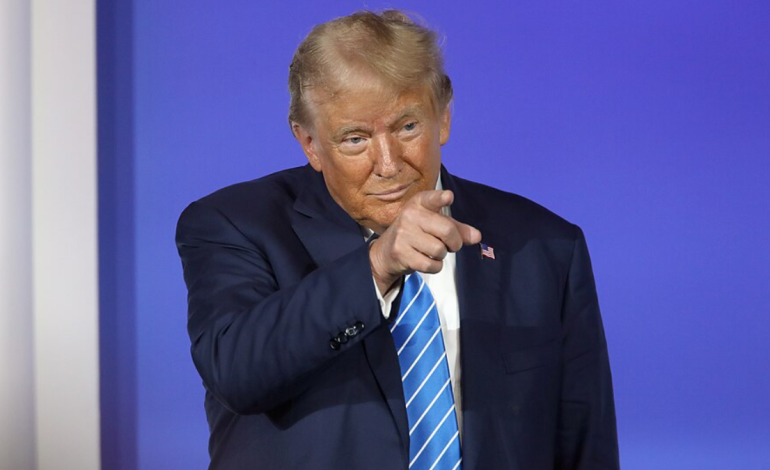
Trump calls Canada ‘the worst’. (Image courtesy: Wikimedia)

New Delhi: The battle over who can claim US citizenship at birth is heading back to the courts after the United States president, Donald Trump, unveiled a fresh attempt to tighten the rules. Just weeks after the supreme court blocked his earlier effort, Trump has signed two executive orders aimed at restricting citizenship in certain cases and curbing the practice of foreign nationals travelling to the US to have children.
The latest move puts the spotlight on so-called birth tourism, where pregnant women travel to the US primarily to give birth and secure citizenship for their children. Trump has made the practice a recurring target, arguing that the country’s citizenship system is being exploited by people who enter the US as visitors.
One of the new orders focuses on children born in the US to parents who are both non-citizens. It seeks to exclude children from automatic citizenship in specified situations, including where a parent is associated with a foreign terrorist organisation, employed by a foreign government or has attempted to obtain citizenship through fraudulent means.
The order also addresses people living in certain US territories where citizenship does not arise automatically under federal law. Citizenship for people born in territories such as Puerto Rico, however, is established through federal legislation.
Trump announced the measures from the Oval Office and again criticised the supreme court for rejecting his previous attempt to change birthright citizenship. He said his administration would pursue the issue through a different route after the court’s June ruling left the existing constitutional protection intact.
The White House has presented birth tourism as more than an immigration issue. Stephen Miller, the White House deputy chief of staff for policy and homeland security adviser, said some people enter the country claiming to be tourists while their actual objective is to have a child who receives US citizenship.
The scale of the practice, however, appears far smaller than Trump’s public claims suggest. The Migration Policy Institute estimates that around 22,000 to 26,000 babies are born in the US each year through birth tourism, while government figures showed 9,600 births in 2024 to mothers whose addresses were outside the country.
Trump’s latest orders follow an earlier executive order issued shortly after he returned to office in 2025. The order sought to deny birthright citizenship to some children born in the United States, triggering a legal battle that eventually reached the supreme court.
The court’s June decision dealt a major blow to the administration’s effort to change the policy through executive action. While the ruling kept birthright citizenship in place, Trump’s new orders show that the administration has not abandoned the issue and is now pursuing narrower restrictions.
The legal limits of the latest measures remain uncertain. University of California, Davis law professor Gabriel Chin said the president may have authority to restrict entry by people travelling to the US specifically to give birth, but questioned whether the president could decide that a child born on American soil is not a citizen.
That distinction could become central to the next legal battle. Trump’s administration may be able to target the circumstances surrounding birth tourism, but any attempt to deny citizenship to children born in the US is likely to face another constitutional challenge.