

Russian missile-drone barrage kills 15 in Ukraine. Why Kyiv’s air defences are now struggling
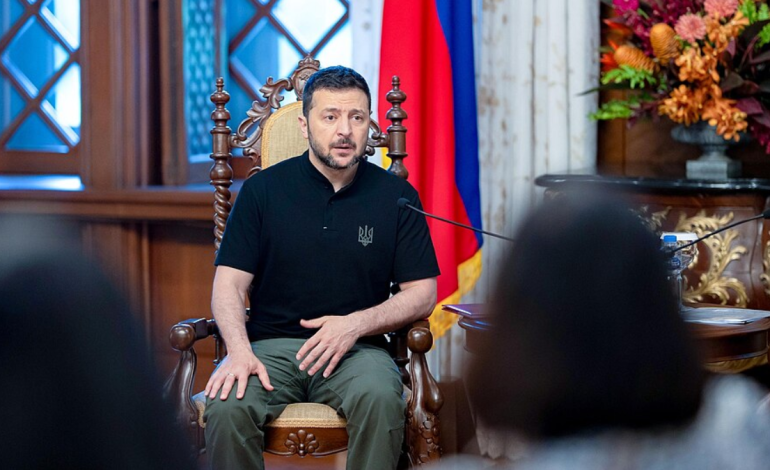
Volodymyr Zelenskyy warning that the lack of interceptors is costing lives. (Image courtesy: Wikimedia)

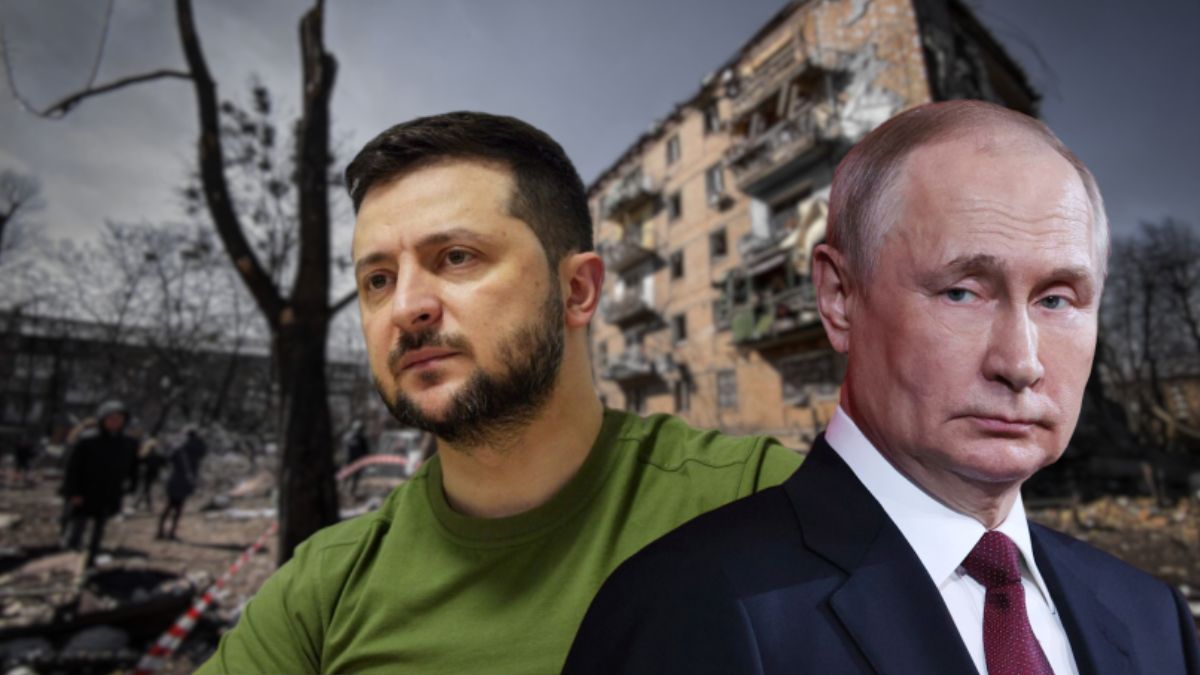
New Delhi: At least 15 people have been killed after Russia launched a major overnight missile and drone attack on Kyiv, damaging apartment buildings, a school and a children’s hospital. The attack has once again exposed Ukraine’s growing shortage of air defence missiles, with Ukrainian president, Volodymyr Zelenskyy warning that the lack of interceptors is costing lives.
Ukraine’s air defence said Russia used 168 drones and 44 missiles in the attack. Ukrainian air defences shot down 146 drones and 39 cruise missiles, but the ballistic missiles remained a major challenge.
Kyiv has heavily relied on Western air defence systems, particularly the US-made Patriot, to protect its cities from Russian ballistic missiles. However, the country is increasingly running short of the interceptors needed to operate these systems effectively.
Why Ukraine is struggling to replenish its missiles
The problem is not simply a shortage of air defence systems. Ukraine also needs a steady supply of missiles to keep those systems operational. Patriot interceptors are highly advanced weapons and cannot be produced as quickly as they are being used during sustained missile attacks.
Russia has also increased the scale of its aerial attacks, using large numbers of drones alongside cruise and ballistic missiles. Ukraine can use cheaper air defence weapons against some drones, but more advanced interceptors are needed against ballistic missiles.
A CNN report recently highlighted the severity of the problem, reporting that some Ukrainian Patriot launchers were sitting idle because their interceptor stocks had been exhausted. The shortage has forced Kyiv to carefully decide which incoming missiles it can afford to engage.
How the Iran war has affected US supplies
The situation has become more difficult because the United States has also used a large number of air-defence interceptors during the war with Iran. US forces and their regional partners relied heavily on Patriot and Thaad systems to counter Iranian ballistic missiles. This significantly reduced American stocks of interceptors, creating another challenge for Washington as it continues to support Ukraine.
There is pressure on the US from two directions at once now. The US has to restock its own supply, have sufficient missiles to defend its forces and bases in the Middle East, and continue to supply its allies like Ukraine.
This has reduced the amount of immediate support that Washington can provide to Kyiv. European countries operating Patriot systems also have limited stocks and cannot quickly replace missiles they transfer to Ukraine.
Production is slower than wartime demand
Another equally important problem is the time required for their manufacture. Patriots are sophisticated pieces of equipment that require special parts and manufacturing facilities. Even after ramping up the production process, some time would be required for new factories and facilities to be ready to manufacture.
Lockheed Martin has announced intentions to step up its manufacturing of PAC-3 MSE Patriot interceptors from around 600 per year to as much as 2,000. Nevertheless, the move will not help in resolving the problem caused by a long period of intense usage.
This leaves Ukraine facing a difficult situation. Russia can launch large waves of drones and missiles, while every interception uses a missile that may take much longer to replace.
The latest attack on Kyiv therefore highlights a problem that goes beyond the battlefield. Ukraine needs more air defence missiles now, but the countries supplying them are themselves dealing with depleted stocks, while Western defence industries are still working to increase production.