


Russia-Ukraine war: Moscow claims it intercepted record 1,336 drones after Ukraine launched massive attack
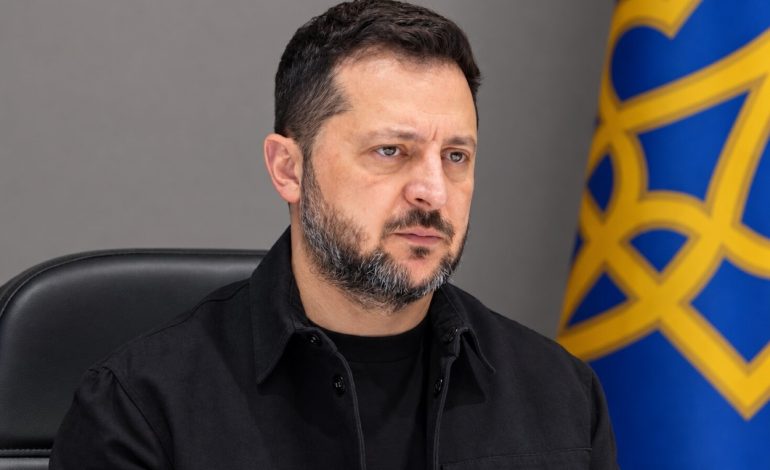
Volodymyr Zelenskyy.

New Delhi: Russia said on Monday that its air-defence systems had intercepted 1,336 Ukrainian drones in an overnight assault across 16 regions, describing it as the largest such attack since Moscow launched its “special military operation” in February 2022. The figure was released by Russia’s defence ministry and has not been independently verified.
The ministry said drones were also intercepted over occupied Crimea and the Black and Azov seas. The scale of the reported attack exceeded the previous record of 1,254 drones, which Moscow said it had intercepted on October 29, Reuters reported.
Russian-backed Crimea governor Sergei Aksyonov said Ukraine had struck the strategically important road and rail bridge linking Crimea with Russia’s Krasnodar region. The Kremlin described the damage as minor. Road traffic was temporarily halted for repairs, while train services continued, according to Reuters.
Casualties and damage reported in Russia
Regional authorities said six people were wounded in an attack on the southern Krasnodar region, home to the Ilsky oil refinery, which has been repeatedly targeted by Ukrainian drones.
In the Rostov region, three people were injured in the city of Azov, where two oil depots are located, the governor, Yuri Slyusar, said. The Moscow mayor, Sergei Sobyanin, said around 600 drones had headed towards the Moscow region overnight. He said 191 were shot down as they approached the capital.
The full extent of damage caused by the latest strikes remained unclear. Russian authorities have not provided a comprehensive assessment of the reported attacks.
Ukraine steps up strikes on Russian oil facilities
Ukraine has increasingly used long-range drones to target Russian oil refineries, industrial facilities and military supply routes. Kyiv says the strikes are intended to weaken infrastructure supporting Russia’s war effort and disrupt supplies to front-line forces.
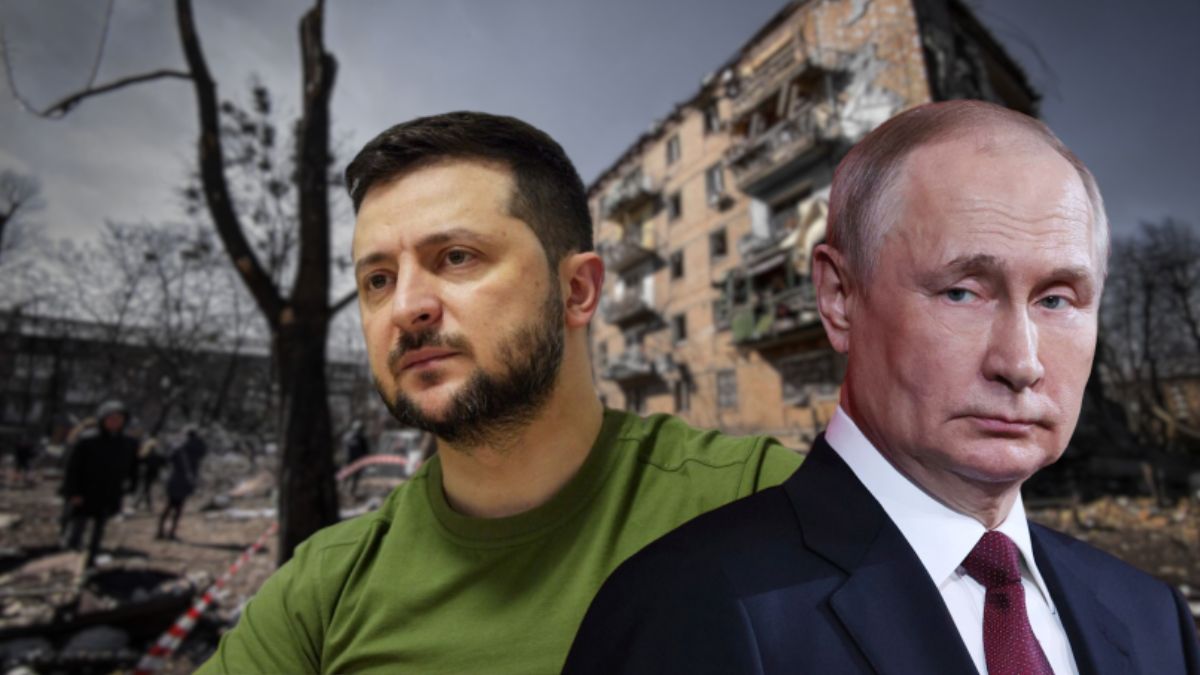
The Ukrainian president, Volodymyr Zelenskyy, said on Sunday that Ukrainian attacks had disabled more than 55 per cent of Russia’s oil refining capacity. The claim was not independently verified, and Russian officials did not publicly respond to it. The Russian president, Vladimir Putin said on October 1 that Ukrainian strikes had cost Russia around one per cent of its gross domestic product, according to AP.
Ukrainian officials are also seeking to make Russians feel the impact of the war at home. Analysts say Kyiv’s mid-range strikes are disrupting Russian front-line supply routes and hampering Moscow’s efforts to maintain momentum on the battlefield.
Ukrainian officials have also said newly imposed speed restrictions on the US-made Starshield satellite communications system, SpaceX’s military-grade version of Starlink, have weakened the country’s air defences. Ukrainian forces say they are adapting by carrying out pre-emptive strikes on Russian weapons production facilities and sites used to launch drones and missiles.
Russian attacks continue on Ukraine’s energy network
Meanwhile, Russia has continued strikes on Ukrainian energy infrastructure as winter approaches. The Ukrainian prime minister, Serhii Koretskyi, said attacks on power lines and substations in the Zaporizhzhia and Dnipropetrovsk regions had left hundreds of thousands without electricity.
Ukrainians are bracing for what could be the hardest winter since the war began, as repeated Russian attacks threaten access to electricity, heating and running water. Zelenskyy said Russia had been bombarding specific areas for days at a time in an effort to destroy energy infrastructure.
Zelenskyy said Russia had launched more than 2,300 attack drones, 1,590 guided aerial bombs and 15 missiles against Ukraine over the preceding week.
One person was killed and three others injured in a Russian strike on Dnipro on Monday morning, local officials said. Separately, four people were killed and three injured in Russian shelling of towns and villages in the Donetsk region over the preceding day, according to Vadym Filashkin, head of the Donetsk regional military administration.
Since the beginning of September, the Dnipro region has endured 131 Russian strikes, while the Kyiv region has recorded 125, according to Zelenskyy.
The figures and damage assessments cited by both sides could not be independently verified. While Russian and Ukrainian officials have released details of the reported attacks and their impact, the full extent of the damage remains unclear amid the ongoing conflict.