

Panama earthquake: 7.7-magnitude quake damages buildings, triggers tsunami warnings
Panama earthquake. (Image courtesy: X/@RT_Visual_on_X)

New Delhi: A powerful 7.7-magnitude earthquake struck southern Panama on Friday, damaging buildings, disrupting electricity supplies and temporarily grounding flights, while a second 6.6-magnitude tremor and a series of aftershocks rattled the country. The earthquake also triggered tsunami warnings across parts of the Pacific coast, but the threat was later lifted as authorities assessed the damage and evacuated affected buildings.
No deaths were reported initially. However, authorities continued assessing injuries and damage across the affected areas.
The United States Geological Survey (USGS) initially estimated the earthquake’s magnitude at 8.0 before revising it to 7.7. The main tremor struck at a depth of about 12.6km near La Pitaloza in Herrera province, about 200km from Panama City.
Buildings damaged, residents flee homes
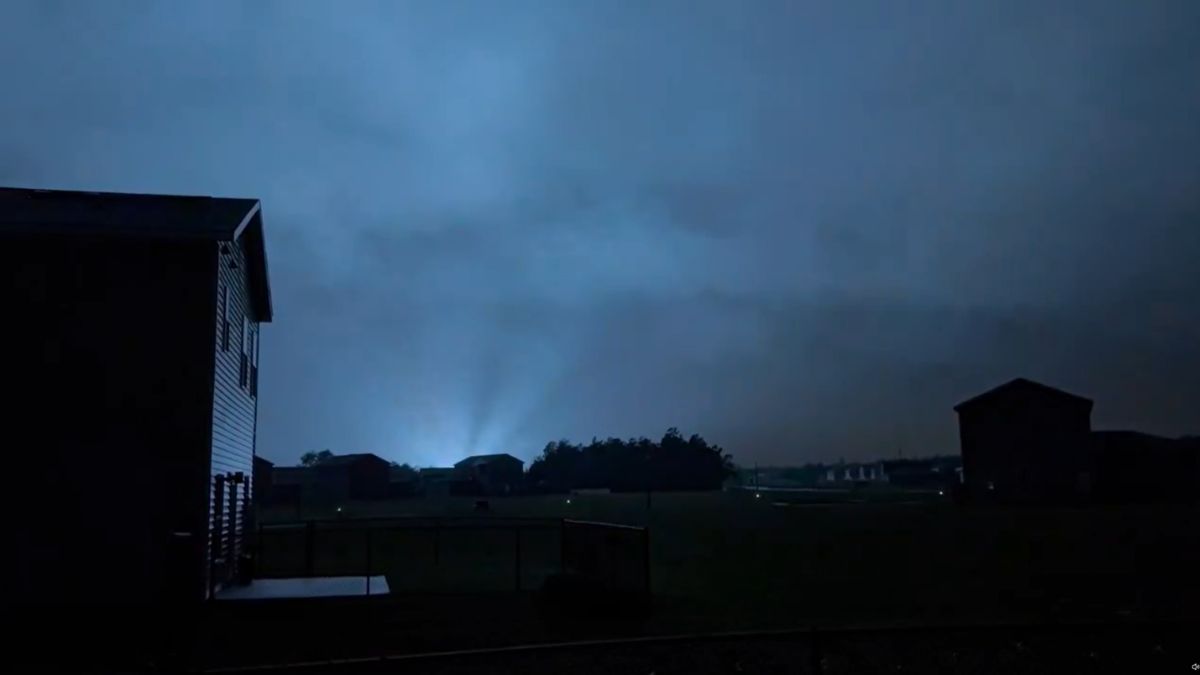
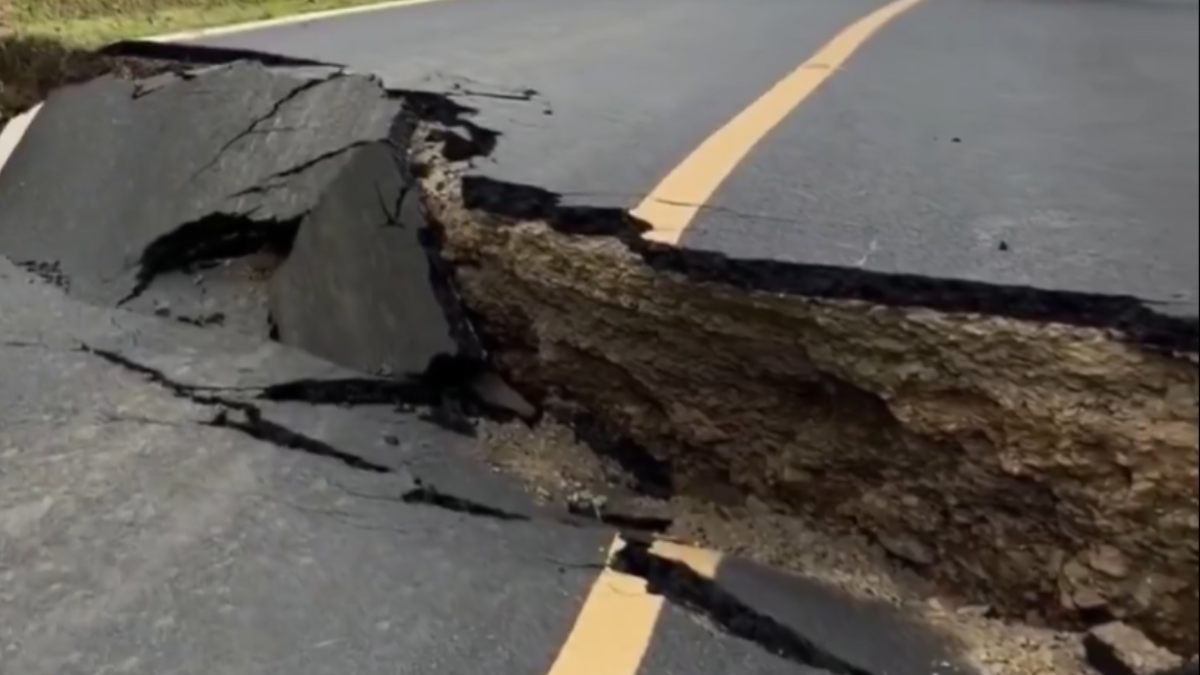
The earthquake damaged homes, public buildings and other structures, particularly in the central provinces of Herrera, Los Santos and Coclé. Footage shared by RTVisual on X showed damage to buildings in Penonomé, while residents in Las Minas reported cracks in their homes and feared further tremors could cause collapses.
The shaking was felt across Panama, including the capital, where residents rushed into the streets as buildings swayed. Tremors were also reported in neighbouring Costa Rica and Colombia, while videos circulating on social media showed people evacuating offices and debris scattered around affected areas.
Ricardo Brown, 74, a resident of Las Minas, told Reuters that several homes had been damaged and said he feared his own house could collapse. The Panamanian president, José Raúl Mulino, travelled to Penonomé to inspect the damage and urged residents to remain calm.
Flights suspended as power cuts affect six provinces
The earthquake disrupted electricity supplies across six provinces, according to the utility provider Naturgy. Tocumen International Airport temporarily suspended flight operations before allowing services to resume, while the Panama City Metro halted services as a precaution.
Schools in the capital sent students home early. The evacuations also caused heavy traffic congestion as office workers and residents attempted to return home.
The Panama Canal authority said canal operations continued normally. Emergency protocols were activated, and technical teams began inspecting facilities for possible damage. The Cobre Panama copper mine also reported normal operations.
Tsunami warnings issued and later withdrawn
The US Tsunami Warning System warned that potentially hazardous waves could affect parts of the Pacific coasts of Panama, Colombia, Costa Rica, Ecuador, Peru, Nicaragua, Guatemala, El Salvador and Mexico within three hours of the earthquake.
Chile also issued a precautionary alert about a possible tsunami threat to Easter Island, also known as Rapa Nui. The warnings were later lifted after authorities determined that the tsunami threat had passed.
Fault system identified as earthquake source
Nestor Luque, director of Panama’s Institute of Geosciences, attributed the earthquake to the Azuero-Soná Fault System, where geological stress had accumulated over time. He said the release of that pressure generated the tremor, with shaking in Panama City lasting about 40 seconds.
The USGS estimated that about 43,000 people lived in areas exposed to at least severe shaking. It also warned that potential economic losses could range from 1 per cent to 10 per cent of Panama’s gross domestic product, although the full extent of the damage remained unclear.
The Development Bank of Latin America and the Caribbean announced a credit facility of up to $50 million for Panama, along with a $250,000 donation to support the response.