

Pakistan deploys army in Khyber Pakhtunkhwa after emergency, governor’s rule
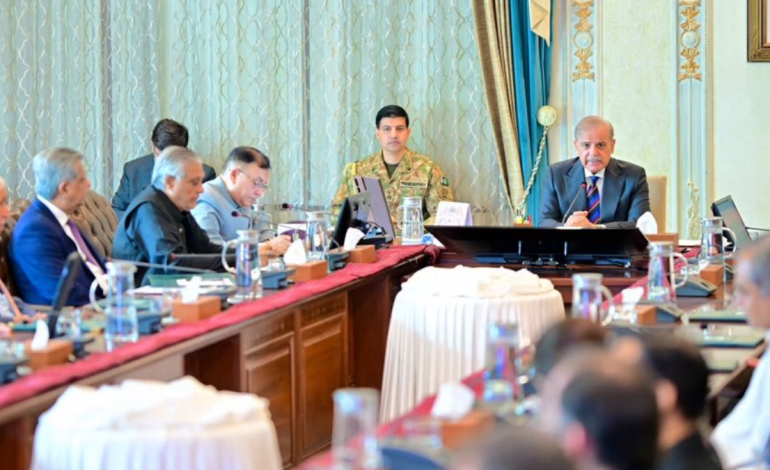

New Delhi: Pakistan’s federal government has authorized the deployment of army troops and military assets in Khyber Pakhtunkhwa (KP) following the imposition of emergency measures and governor’s rule in the province bordering Afghanistan. The decision, taken on Sunday, comes amid deteriorating security conditions and an escalating confrontation between the prime minister, Shehbaz Sharif’s government and the provincial administration led by jailed former prime minister, Imran Khan’s Pakistan Tehreek-e-Insaf (PTI).
The country’s interior ministry issued a statutory regulatory order (SRO) under Article 245 of Pakistan’s constitution, authorizing military assistance to civil authorities for the protection of lives, property and government installations. The authorization will remain effective for the duration of the emergency proclamation, with the KP governor, Faisal Karim Kundi, empowered to determine troop strength and military assets in consultation with the military operations directorate at General Headquarters in Rawalpindi, according to Dawn.
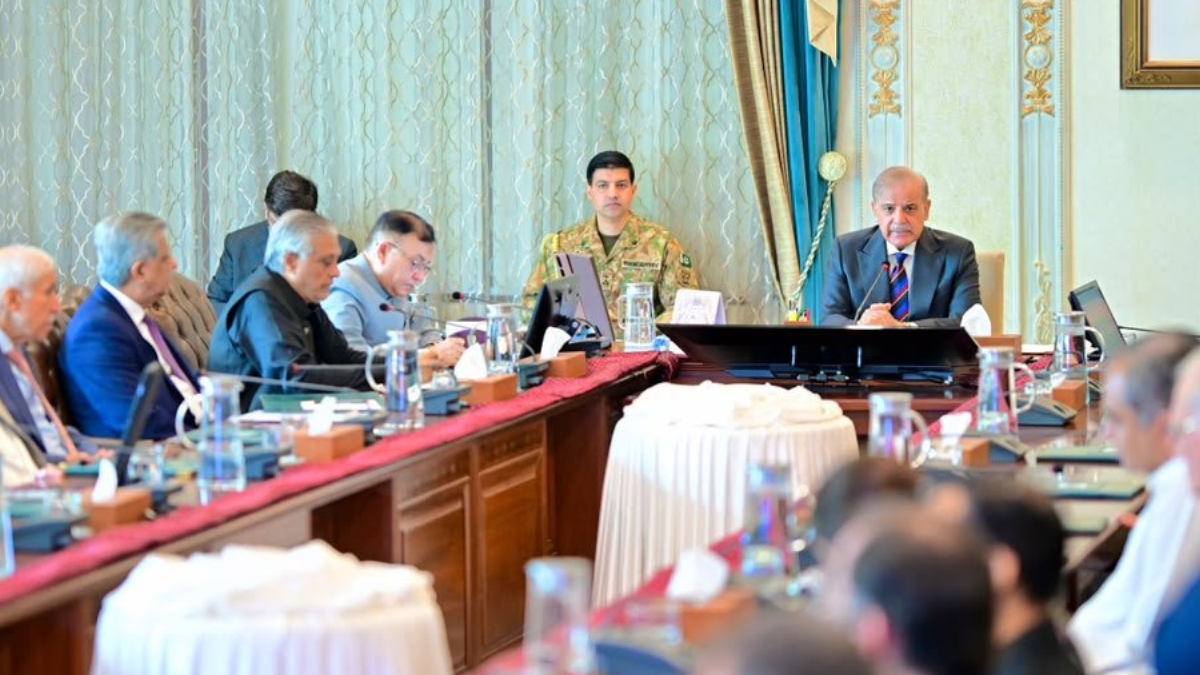
The president, Asif Ali Zardari, approved the measures following a federal cabinet meeting chaired by Sharif. Pakistan constitution’s Article 232 provides for emergency proclamations, Article 234 permits federal intervention when a province cannot be governed constitutionally, while Article 245 separately authorizes the army to act in aid of civil power.
The move has suspended the PTI-led administration headed by Sohail Afridi, transferring provincial executive functions to Kundi. An 11-member advisory council has been constituted to assist the governor, while a separate administrative secretariat will oversee 12 designated districts, including several militancy-affected areas along the Afghan border.
The army deployment follows Islamabad’s decision a day earlier to suspend the PTI-led provincial administration after accusing it of failing to cooperate in counterterrorism efforts. As RNA Media reported on sunday, the emergency proclamation triggered strong opposition from PTI, which condemned the move as undemocratic and warned against undermining provincial autonomy.
Islamabad cites terrorism threat
The federal government accused the provincial administration of failing to address militant violence, describing its approach as a “deliberate disengagement from the fight against terrorism”.
The information minister, Attaullah Tarar, went further, alleging that the PTI administration had links with militant groups, although no supporting evidence was publicly presented. PTI has rejected the accuzations, maintaining that Islamabad has undermined counterterrorism efforts by withholding resources and excluding provincial representatives from security decisions.
The dispute intensified after talks between the federal government and PTI broke down on October 3 over counterterrorism policy and a proposed march towards Islamabad demanding Khan’s release.
PTI has opposed military operations conducted without adequate provincial consultation and has advocated reviewing Pakistan’s counterterrorism strategy. Islamabad, meanwhile, has criticized its approach towards dialogue with Afghanistan’s Taliban government.
Pakistan has repeatedly accused Afghanistan of allowing Tehreek-e-Taliban Pakistan (TTP) militants to operate from its territory, allegations Kabul denies. The security concerns remain significant, with the Pakistan Institute for Conflict and Security Studies recording 1,232 militant attacks nationwide during the first nine months of 2026, compared with 1,066 throughout 2025.
PTI chairman, Gohar Ali Khan questioned the province-wide governor’s rule when the most serious security concerns were concentrated in specific districts.
“If there is terrorism and an emergency is needed in 12 districts, then why is governor’s rule across the whole province?” he asked.
Peshawar faces restrictions
Security restrictions disrupted Peshawar following the announcement, with shipping containers blocking roads leading towards governor house, government offices and the city’s “red zone”.
Police and other law enforcement personnel guarded sensitive installations, while military vehicles were reported patrolling cantonment areas. Educational institutions in Peshawar remained closed on Monday with similar closures reported in neighbouring districts.
Mobile and internet disruptions were also reported, while connectivity watchdog Netblocks identified significant network interruptions in parts of KP. The observations did not establish a blanket shutdown across the province.
The confrontation sharpened further on Monday after several PTI leaders, including Afridi, were detained ahead of the proposed protest march. Their detention was confirmed by Reuters, while PTI maintained that its political campaign would continue.
Under Article 234, governor’s rule can be extended through parliamentary approval in two-month increments, subject to a maximum of six months. The emergency proclamation carries separate parliamentary approval requirements, including an initial 10-day deadline under the circumstances of the October 11 declaration.
Gohar said PTI would challenge the measures through the courts and parliamentary forums, describing the intervention as an assault on provincial autonomy.
The governor has begun administering provincial affairs with assistance from the advisory council, while the interior ministry’s military deployment authorization remains in force. Sessions of Pakistan’s National Assembly and Senate have been called for Tuesday as the federal intervention faces parliamentary scrutiny and a promised legal challenge from PTI.