
Oil prices jump 3 per cent to $107 as Iran-Gulf meeting postponed amid Strait of Hormuz crisis
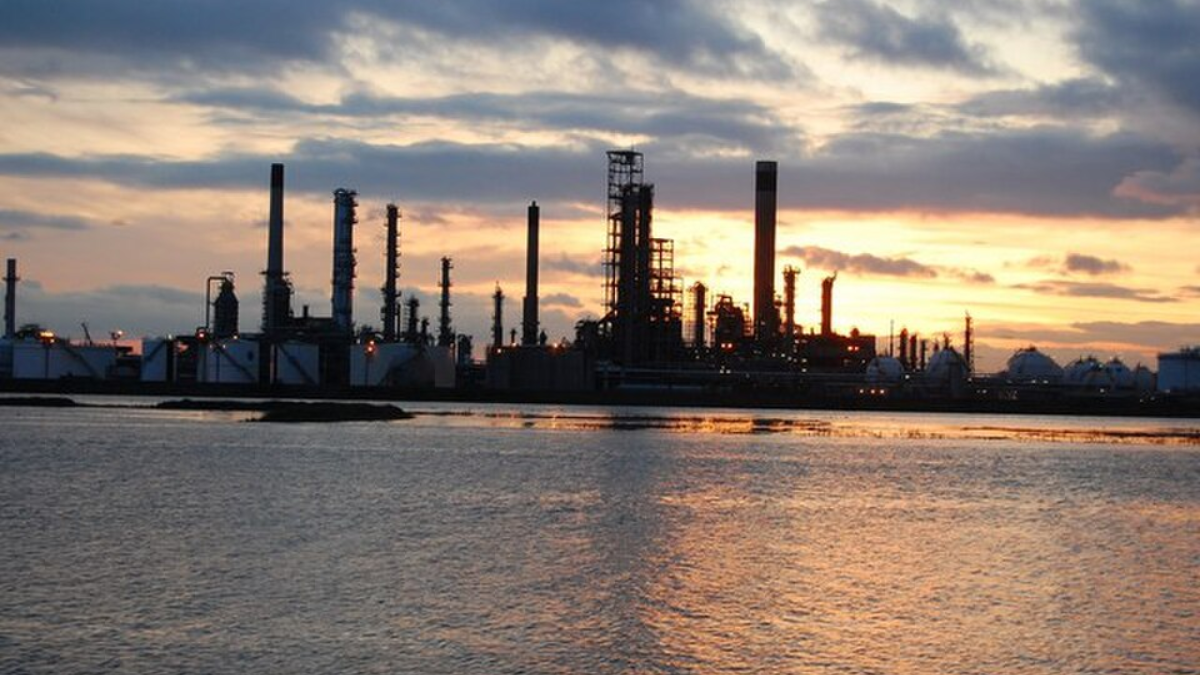
Representational image. (Image courtesy: Wikimedia)

New Delhi: Brent crude moved further above the $100 mark on Monday as fresh risks around the Gulf added pressure to an already disrupted oil market. Prices rose about 3 per cent, with Brent gaining $2.93 to $107.54 a barrel and US West Texas Intermediate (WTI) rising $2.88 to $102.93 at 0700 GMT.
The latest move in oil prices reflects growing uncertainty over how much crude can continue to move safely through the region. Saudi Arabia has temporarily shut its East-West Crude Oil Pipeline (also known Petroline) after a drone attack, while vessels operating in and around the Strait of Hormuz have also come under attack.
The Saudi pipeline is particularly important because it gives the kingdom a way to send oil towards the Red Sea without using the Strait of Hormuz. Its closure now threatens up to 4 per cent of global oil supply, while the Red Sea port of Yanbu has only enough inventory for about five to seven days of exports, according to three industry sources familiar with Saudi shipments, Reuters reported.
The pressure on Saudi Arabia has not been limited to its oil infrastructure. Saudi media reported damage to houses and a mosque in the southern Jazan province following a Houthi attack, while the Iran-aligned group said it had also targeted a Saudi military base in a neighbouring province.
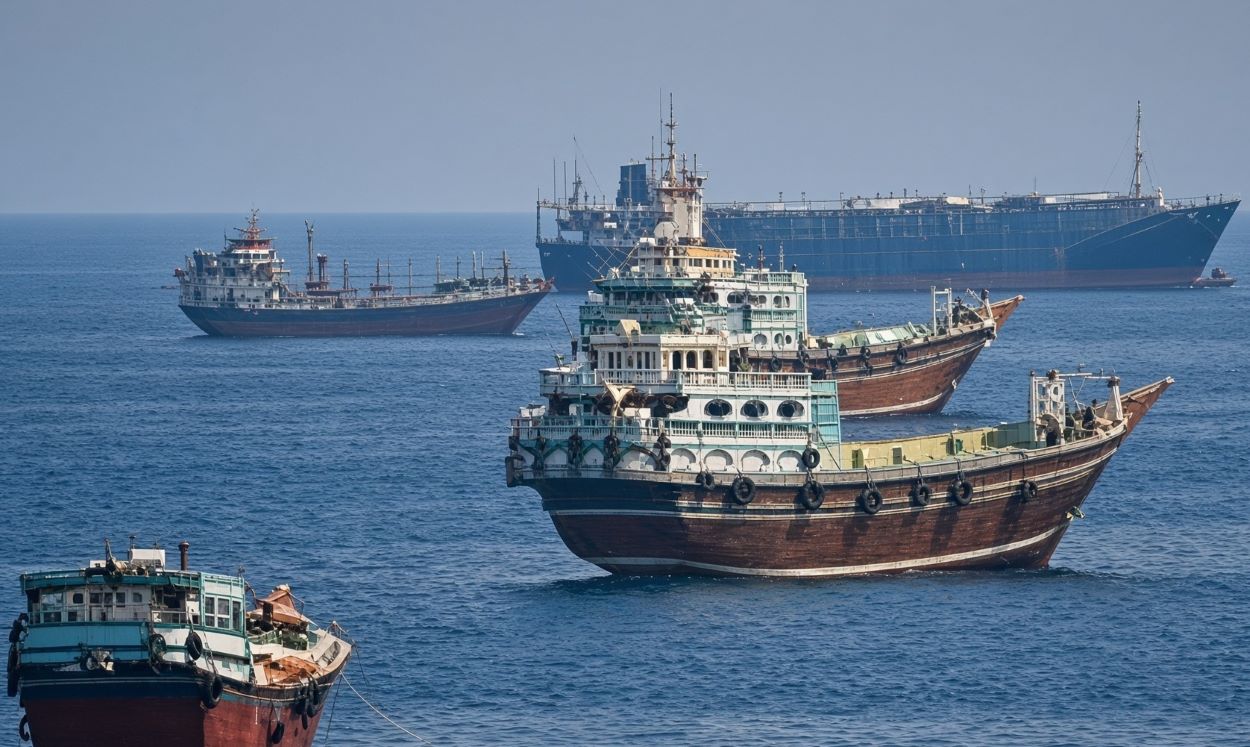
At sea, the security situation has become increasingly uncertain. A vessel in the Strait of Hormuz was struck by a projectile on Sunday, resulting in a fire and the evacuation of its crew, according to the British maritime security agency UKMTO. Iran also reported that one of its commercial vessels was hit off its coast, killing one person and leaving four crew members wounded.
The Houthis have meanwhile expanded their position closer to another major energy route. The group reached the strategic island of Perim on Friday, moving closer to tightening its control around the Bab al-Mandab Strait, a passage that has carried about 4 per cent to 5 per cent of global oil supplies in recent months.
The developments follow an 8 per cent jump in oil prices last week, when crude crossed $100 a barrel for the first time since July. Reuters citing ING commodity strategists reported that attacks on Saudi energy infrastructure had intensified, but noted that the extent of the damage to the critical pipeline and the time needed to restore it remained unclear
The strain on energy routes has unfolded alongside attempts to establish rules for shipping through the Strait of Hormuz. Iran had spent months discussing possible arrangements with Oman for managing vessel traffic through the passage, with the proposed consultations also covering a broader regulatory framework for maritime navigation.
The importance of the strait has grown further amid the ongoing conflict. Before the United States and Israel launched their military offensive against Iran on February 28, around 20 per cent of international petroleum shipments passed through the waterway. Iran imposed a naval blockade days later, triggering a sharp rise in global crude prices.
Against this backdrop, a planned meeting between Iran and the Persian Gulf states in Oman was postponed on Monday. The talks were scheduled to take place in Salalah, with Omani foreign minister, Badr Albusaidi, saying in an X post that the meeting was deferred “in the interests of consensus”. He added that Oman remained committed to dialogue that supports regional stability and lasting cooperation.
Fars News Agency, citing Iranian foreign ministry spokesman, Esmaeil Baqaei, reported that the postponement was jointly agreed by Iran and Oman after requests from some regional countries. Addressing reports that Saudi Arabia had sought the delay, Baqaei said foreign-policy decisions were not based on a single factor and defended the understanding reached between Tehran and Muscat on safe navigation through the Strait of Hormuz, saying the two coastal states had acted responsibly and intended to present their agreement to regional countries at the meeting.