Mojtaba Khamenei urges Gulf unity against US and Israel, but Iran’s wartime strikes cloud appeal
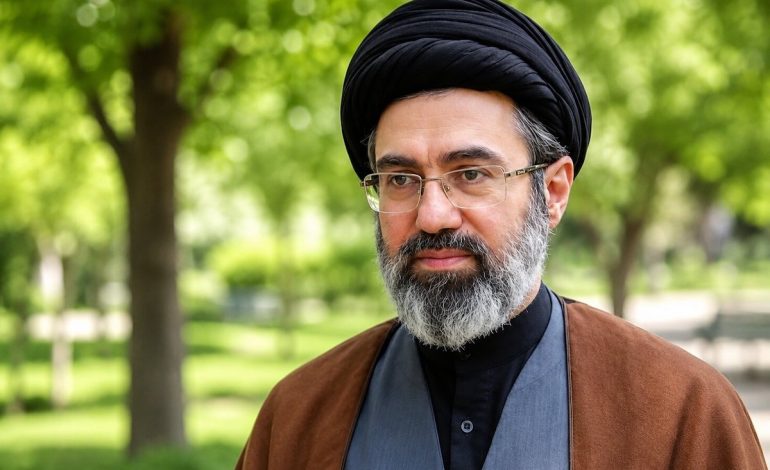
Mojtaba Khamenei.

New Delhi: Iran’s supreme leader, Ayatollah Mojtaba Khamenei, has urged Gulf rulers to recognize the United States and Israel as their “real enemy” and build a system of cooperation and mutual defence among Muslim countries. His appeal, issued on Sunday, comes six months into a regional war in which Iran has itself attacked military, energy and civilian infrastructure across several Gulf Arab states.
The written message was released to mark the birth anniversary of Prophet Muhammad and Islamic Unity Week, an annual Iranian initiative intended to bridge divisions within the Muslim world. Khamenei said differences between Muslim countries had made them vulnerable to outside intervention and weakened their ability to protect one another.
“My emphatic and repeated recommendation” to Islamic governments, particularly those in West Asia and along the Gulf, was to “identify your real enemy, understand its plan and confront it”, Khamenei said in the message carried by Iran’s official IRNA news agency. He identified Washington and Israel as the principal opponents of Muslim unity, portraying their policies as hostile not only to Iran but also to the wider Islamic world.
Khamenei called for closer political, economic and social cooperation, as well as collective defence against external threats. He also asked whether Palestinians would have been left so vulnerable had Muslim governments acted together, according to Reuters.
Addressing Gulf rulers more directly, the Iranian leader questioned whether foreign powers would have coveted their territory and resources had the region’s governments and populations been united. He argued that anyone who encouraged divisions among Muslims, knowingly or otherwise, was advancing the interests of Islam’s adversaries.
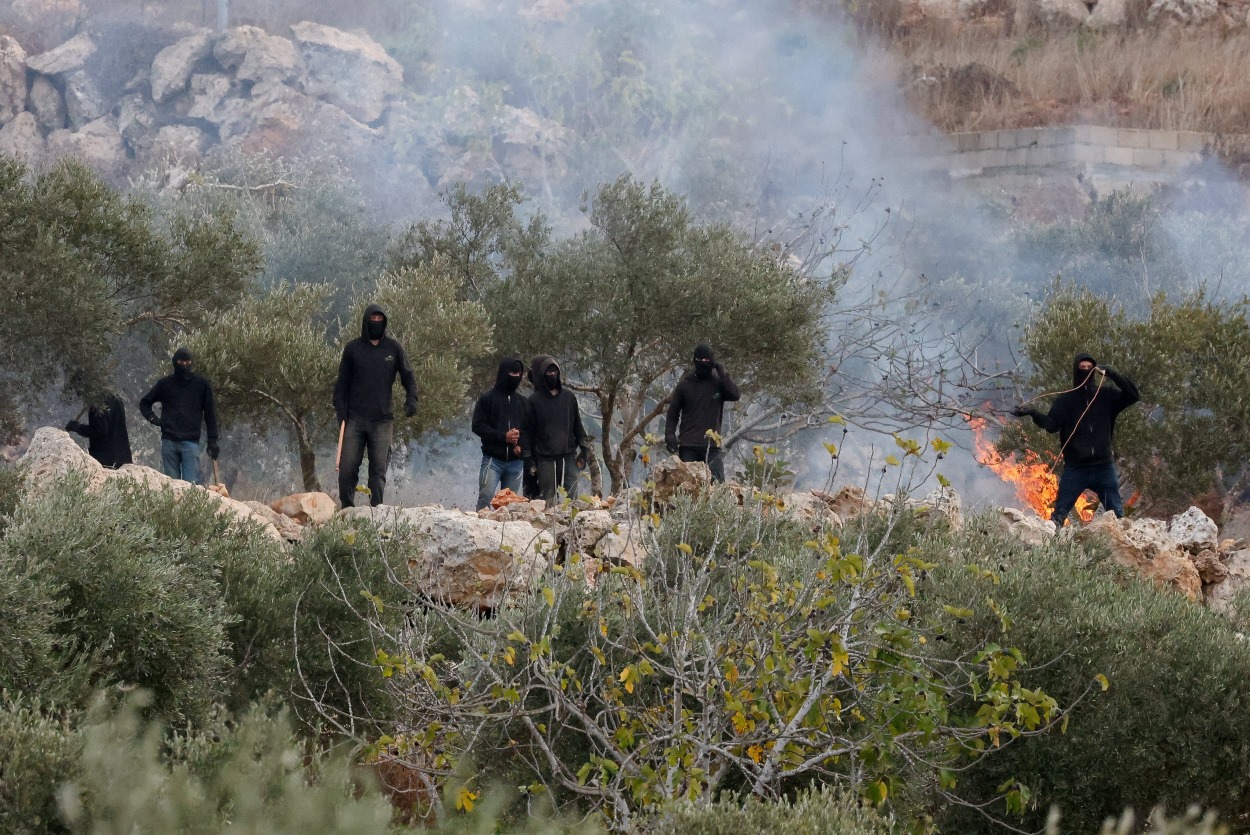
The appeal, however, sits uneasily with the conduct of the continuing war, which began with US-Israeli attacks on Iran on February 28, 2026. Tehran retaliated not only against Israel and US military facilities but also against airports, ports, energy installations and other infrastructure in Gulf countries hosting American forces, exposing the very regional divisions Khamenei now seeks to overcome.
The United Arab Emirates, Saudi Arabia, Qatar, Kuwait and Bahrain have all faced Iranian missile or drone attacks during the conflict. Refineries, gas-processing plants and export terminals across the region have been damaged or disrupted, while Tehran’s restrictions on movement through the Strait of Hormuz have placed further pressure on Gulf economies and global energy supplies.
These actions have deepened distrust between Iran and the Gulf monarchies, which have long viewed Tehran’s revolutionary ideology, support for armed regional groups and opposition to the US military presence as threats to their security. The contradiction is particularly stark because Iran is asking its neighbours to embrace collective security after demonstrating its ability and willingness to strike them when confronting Washington.
Khamenei’s message also reflects growing pressure on Iran after six months of conflict, sanctions and restrictions on its oil exports. The president, Masoud Pezeshkian, has said the country’s foreign trade has fallen by nearly 35 per cent, while inflation, unemployment and shortages have intensified domestic hardship, according to a separate Reuters report.
The supreme leader has not made a verified public appearance since he was injured in the opening US-Israeli strikes, which killed his father and predecessor, Ayatollah Ali Khamenei. Iranian officials insist that he remains in charge, but the absence of a recent photograph, video or audio recording has fuelled speculation about his health and the extent of his control over decision-making.
His latest intervention therefore serves several purposes: reinforcing ideological unity at home, challenging the Gulf states’ reliance on Washington and presenting Iran as the advocate of a regional security order free from Western military influence. Whether Gulf rulers will find that proposition credible is another matter, especially while Iranian weapons continue to threaten their territory and the Strait of Hormuz remains a source of military and economic coercion.