MEA Rejects Canada’s Foreign Interference Claims as ‘Baseless’
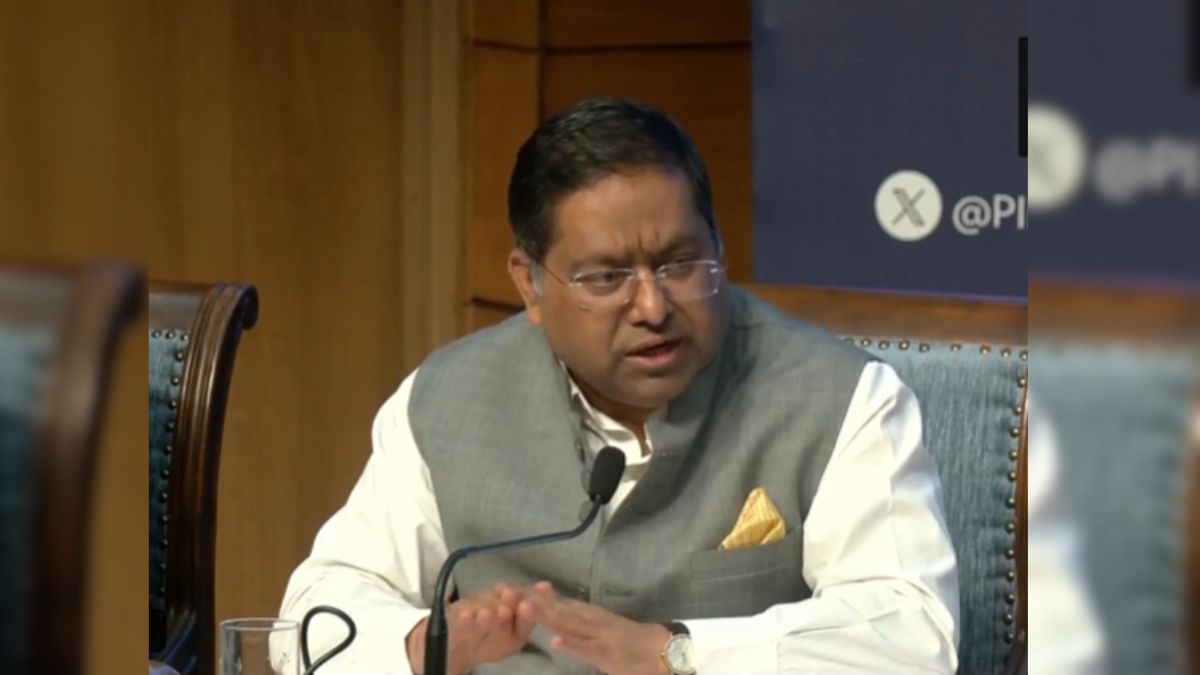
India slams Canadian intelligence report. Image courtesy: X.com

New Delhi pushed back sharply on Thursday (May 7) against allegations of espionage and foreign interference contained in a recent Canadian Security Intelligence Service (CSIS) report, dismissing the claims as “baseless” and politically motivated.
Responding to the 2025 assessment released by the Canadian security intelligence service, the Ministry of External Affairs (MEA) said India remains committed to international norms and respects the sovereignty of other nations.
Addressing a weekly media briefing in New Delhi, Randhir Jaiswal said, “India is a democracy that adheres to international norms and respects the sovereignty of other nations. It is not our policy to interfere in the internal issues of other countries.”
“We believe that concerns of this nature should be discussed through established mechanisms rather than through politicised or public narratives,” he said.
The MEA spokesperson also renewed India’s criticism of Canada for allegedly allowing extremist and separatist groups to operate from its territory.
He said New Delhi has repeatedly conveyed concerns over activities linked to pro-Khalistan elements that, according to India, incite violence, glorify extremism, and target Indian diplomats and institutions abroad.
Jaiswal noted that the Canadian intelligence assessment itself acknowledged the presence of Khalistani supporters in Canada and recognised that some extremist networks continue to pose security concerns for both countries.
He said such groups misuse democratic freedoms to propagate separatist narratives and mobilise resources for unlawful activities.
“India has consistently urged Canadian authorities to take effective action against anti-India elements operating from its soil, including those involved in threats against diplomats, vandalism at places of worship, and attempts to promote secessionism under the guise of unofficial referendums,” he added.
The CSIS report, tabled in the Canadian Parliament earlier this month, named India among several countries allegedly involved in espionage and interference efforts targeting Canadian political processes.
Apart from India, the report identified China, Russia, Iran, and Pakistan as key actors accused of attempting to influence Canadian affairs.
The report also mentioned the 1985 Air India Flight 182 bombing, calling it the deadliest terrorist attack in Canadian history.
The suspects had links to Canada-based Khalistani extremist groups, and 329 people, mostly Canadians, were killed in the attack.