



Israeli rights group alleges systematic torture of Palestinian detainees to extract confessions

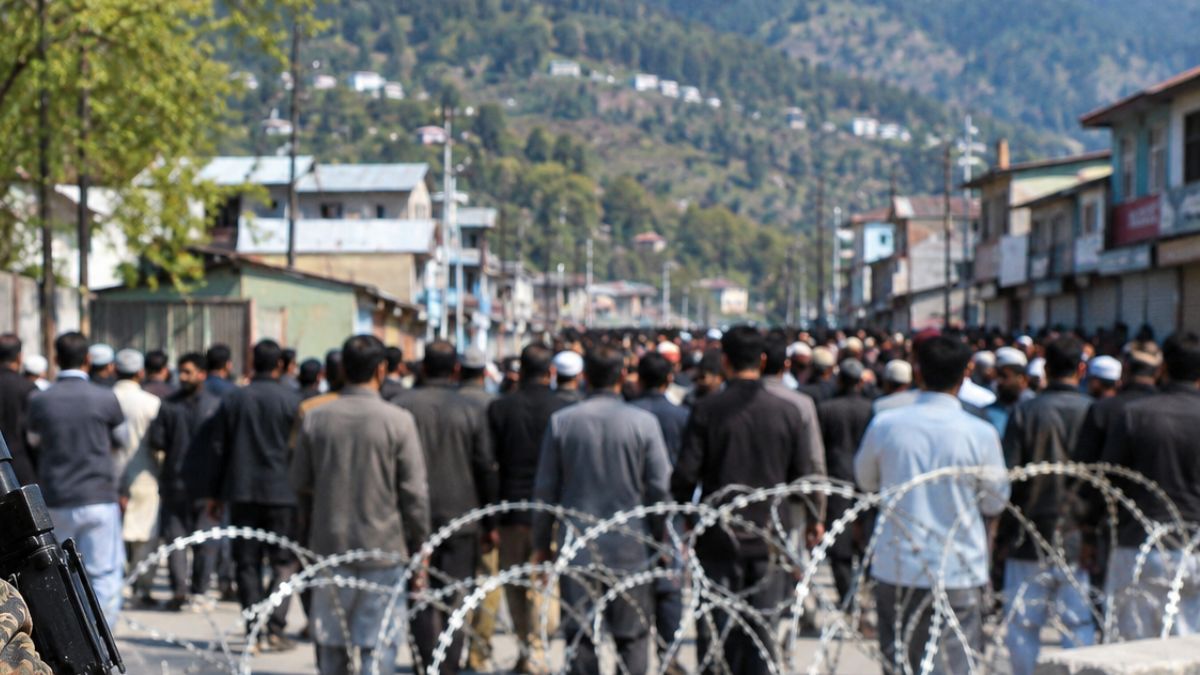
RNA Media illustration for representation.

New Delhi: An Israeli human rights organization has accused the country’s security and judicial authorities of institutionalizing torture during interrogations of Palestinian detainees, alleging that abusive methods are used to extract confessions and influence criminal proceedings. The findings have intensified concerns over judicial accountability and the fairness of trials following Israel’s introduction of legislation expanding capital punishment for certain deadly attacks.
The Public Committee Against Torture in Israel (PCATI) examined 42 complaints involving Shin Bet interrogations between 2016 and 2026. Its report, highlighted by the Guardian on Thrusday, found that 33 complainants, nearly 79 per cent, said they confessed following torture or other unlawful methods, while 25 of 29 legal proceedings with known outcomes resulted in convictions.
“When it comes to Palestinian detainees, the Israeli legal system officially sanctions torture as a tool for extracting confessions, regardless of whether the content of those confessions is true,” PCATI executive director Sari Bashi told the Guardian. She warned that the alleged practices carried particularly serious consequences as Israel moved towards implementing capital punishment.
Alleged torture raises questions over confessions
The organization documented sleep deprivation in 35 cases, physical violence in 24 and painful stress positions in 23. Detainees also described slapping, kicking, threats against family members and sexual violence, while approximately one in 10 reported providing incriminating statements about others under coercion.
PCATI clarified that its findings concern complaints it handled rather than a representative sample of all Shin Bet interrogations. It argued that the alleged practices undermine the reliability of evidence and threaten the right to a fair trial, although the available records do not establish that every conviction resulted solely from a coerced confession.
One case involved a Palestinian lawyer arrested in February 2019 who reportedly underwent interrogation for 27.5 days, equivalent to 660 hours. PCATI said he was questioned for more than 552 hours, averaging approximately 20 hours daily, including one session lasting nearly 48 hours.
Despite Israel’s supreme court prohibiting deliberate sleep deprivation as an interrogation technique in 1999, the lawyer was convicted of involvement in shooting attacks. The state inspector responsible for examining Shin Bet interrogation complaints reportedly concluded that his questioning complied with established procedures.
PCATI also documented a case in which prosecutors relied on a confession allegedly extracted through torture, despite the detainee maintaining his innocence. The man was eventually released after his lawyer produced evidence establishing that he had not been present at the crime scene, illustrating the risks of relying on potentially coerced statements.
PCATI also reported that more than 1,680 complaints were submitted to the justice ministry’s interrogation watchdog, Mavtan, between 2001 and 2024. Only five led to recommendations for criminal investigations, all of which closed without indictments.
Legal exceptions and death penalty concerns
The organization alleged that internal procedures have expanded the use of so-called necessity interrogations, originally associated with exceptional circumstances requiring urgent life-saving information. It said interrogators could obtain approval from superiors for special measures, with decisions documented internally despite judicial restrictions on coercive questioning.
The findings have assumed greater significance following the Knesset’s passage of legislation on March 30, making capital punishment the default sentence in specified deadly terrorism cases involving Palestinians tried in military courts in the occupied West Bank. UN high commissioner for human rights, Volker Turk, condemned the legislation as discriminatory and warned that applying it to residents of occupied Palestinian territory would constitute a war crime.
Abuse allegations have increased since October 2023, with at least 103 Palestinian detainees reported dead in Israeli custody. Physicians for human rights Israel found signs of physical assault in five of 10 postmortem examinations and evidence of medical neglect in six, without establishing that every death resulted from torture.
Israel’s justice ministry separately rejected PCATI’s allegations in comments reported by the Times of Israel, saying complaints were thoroughly examined and required supporting evidence. The Israel prison service maintained that all prisoners were held in accordance with the law, while Shin Bet and the justice ministry did not respond to the Guardian’s requests for comment.