

Israeli military warns Netanyahu that fresh Iran strikes could ignite wider West Asia war
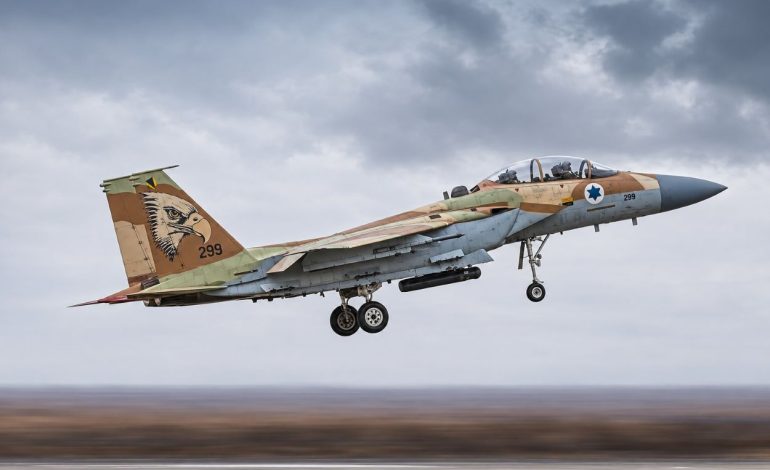
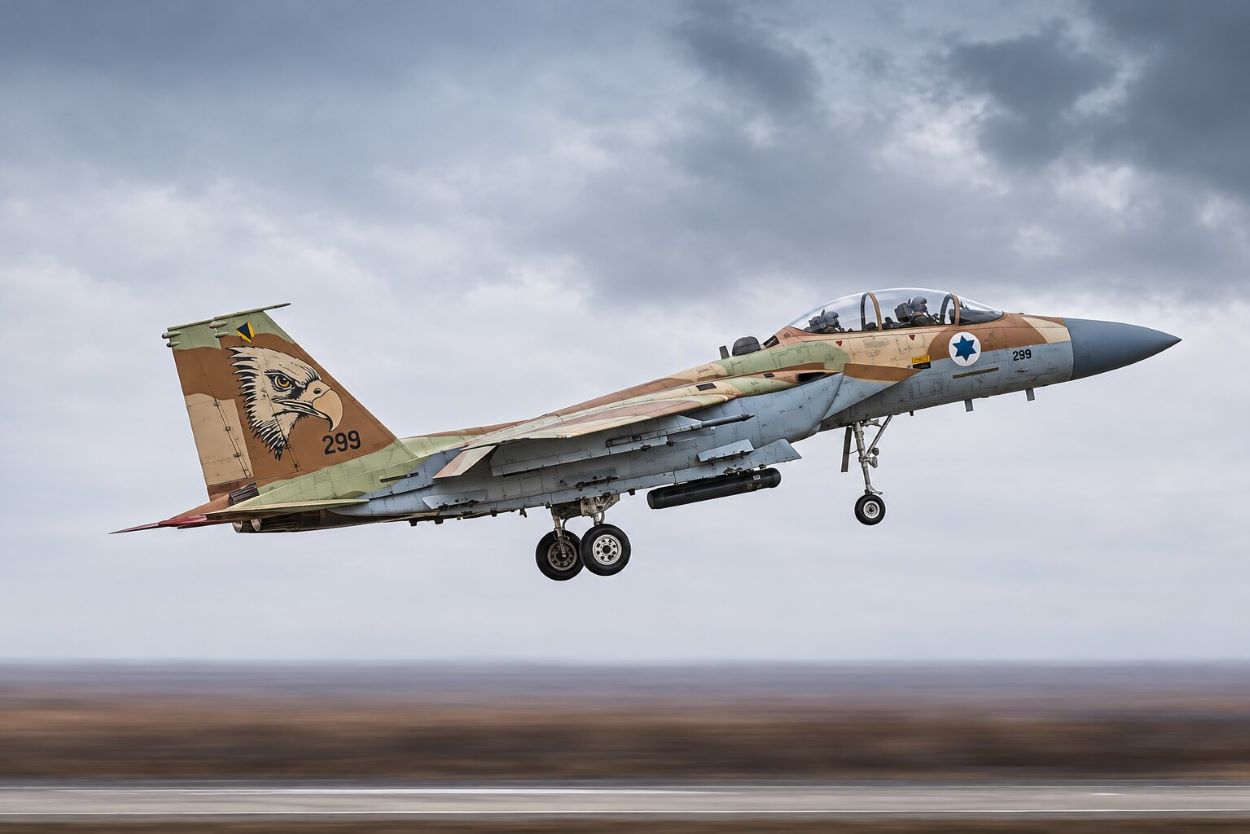
An Israeli F-15I. (IDF photo for representation.)

New Delhi: Israeli military intelligence has reportedly warned the prime minister, Benjamin Netanyahu, that a fresh attack on Iran could trigger a prolonged regional war, drawing Israel into simultaneous confrontations across Lebanon, Syria and Gaza. The assessment challenges expectations within Israel’s political and intelligence leadership that another military offensive against Tehran could be completed within days without provoking a broader escalation.
According to a Channel 12 report, the warning was conveyed during a closed-door meeting last week involving Netanyahu and senior defence officials. The Israeli military’s intelligence directorate reportedly disputed the assessment attributed to Netanyahu and the Mossad chief, Roman Gofman, that a new campaign against Iran could be contained within three to five days.
The reported disagreement exposes a potentially consequential divide within Israel’s security establishment over the military feasibility and strategic consequences of another confrontation with Iran. Although Israel possesses considerable long-range strike capabilities, the military assessment suggests that destroying selected Iranian targets would not necessarily prevent Tehran or its regional allies from retaliating across multiple theatres.
The warning also comes at a politically sensitive moment for Netanyahu, whose governing coalition lost its parliamentary majority in the October 27 election. Opposition leaders have accused him of exaggerating the Iranian threat to prolong his political survival, although those allegations remain contested and do not establish the motives behind Israel’s military planning.
The Israeli military declined to comment on the reported deliberations, citing their confidential nature. Nevertheless, the disclosure has intensified scrutiny of whether Israel could undertake a unilateral offensive without American participation or approval, particularly when Washington remains engaged in diplomatic efforts to prevent another major war.
Why Israel fears a multi-front conflict
The principal concern is that an Israeli strike on Iran could activate several interconnected conflict zones rather than remain a bilateral exchange of missiles and airstrikes. Hezbollah in Lebanon, armed groups operating in Syria and Palestinian factions in Gaza could become involved, forcing Israel to distribute its airpower, air defences and ground forces across geographically separated fronts.
Such a scenario would complicate Israel’s military calculations because offensive operations against distant Iranian targets would have to be conducted alongside the defence of its population centres and critical infrastructure. Sustained missile and drone attacks could also place pressure on interceptor inventories, military logistics and civilian emergency services, particularly if several fronts became active simultaneously.
The possibility of regional escalation is not theoretical, given the consequences of the US-Israeli military campaign launched against Iran on February 28. That offensive triggered Iranian retaliation against targets across West Asia and serious disruption to commercial shipping through the Strait of Hormuz, demonstrating how quickly a confrontation involving Iran could extend beyond its borders.
Despite the substantial damage inflicted on Iranian military and civilian infrastructure, subsequent developments have shown the difficulty of translating battlefield gains into a durable political settlement. A fragile ceasefire established in April has repeatedly come under pressure, with fresh exchanges involving American and Iranian forces raising concerns that the conflict could return to full-scale warfare.
Washington reluctant to resume war
The reported Israeli warning coincides with differences between Netanyahu and the US president, Donald Trump, over the timing and necessity of renewed strikes. Israel has been pressing Washington to consider another offensive against Iranian nuclear and missile facilities, but the American administration has shown greater interest in allowing diplomatic negotiations and economic pressure more time.
According to a Reuters investigation, Gofman advocated joint US-Israeli military action during discussions with American officials. His visit followed Trump’s November 9 decision to defer further attacks after consultations with Qatar, which has been involved in mediating indirect negotiations between Washington and Tehran.
However, Trump indicated in an interview with Fox News on Sunday that he could authorize another offensive if an acceptable agreement was not reached before the new year. The remarks suggest that Washington has not excluded military action, even though it remains reluctant to immediately resume a campaign carrying substantial regional and economic risks.
Meanwhile, the Israeli opposition politician, Avigdor Liberman, who chairs the Knesset’s temporary foreign affairs and defence committee, has warned against launching a unilateral attack without American backing. Liberman has questioned the military justification for an immediate offensive and accused Netanyahu of allowing political considerations to influence national security decisions, allegations that have sharpened the domestic debate.
Gulf states fear consequences beyond battlefield
Regional governments are equally concerned that renewed hostilities could expose their economies and infrastructure to retaliation. Associated Press reported that Gulf countries, Pakistan and Turkey had intensified diplomatic efforts to discourage Washington from restarting major combat operations against Iran.
Their concerns extend beyond military installations to oil facilities, electricity networks, desalination plants and undersea communications infrastructure that support regional economies. Iranian attacks on American-linked facilities in Kuwait and Bahrain have already illustrated the danger that neighbouring countries could become involved in a confrontation they did not initiate.
For India, another major escalation would carry significant implications for energy security, maritime commerce and the safety of millions of Indian nationals living and working across the Gulf. Any prolonged disruption to the Strait of Hormuz could increase shipping costs, complicate crude oil supplies and expose the wider Indian economy to renewed inflationary pressures.
Iran, meanwhile, has warned that another attack could produce retaliation extending well beyond its immediate neighbourhood. Its security chief, Mohsen Rezaei, recently threatened strikes against military facilities involved in renewed American operations, reinforcing concerns that the next confrontation could prove harder to contain than earlier rounds of fighting.
The central question confronting Israel is therefore not merely whether its armed forces can successfully strike Iranian targets, but whether the country can control the consequences once those attacks begin. The reported military intelligence warning indicates that Israel’s defence establishment sees a serious risk of strategic escalation – one that could transform a short offensive into another costly regional war.