
Is Iran building capacity to strike US mainland? Senior IRGC adviser drops big hint
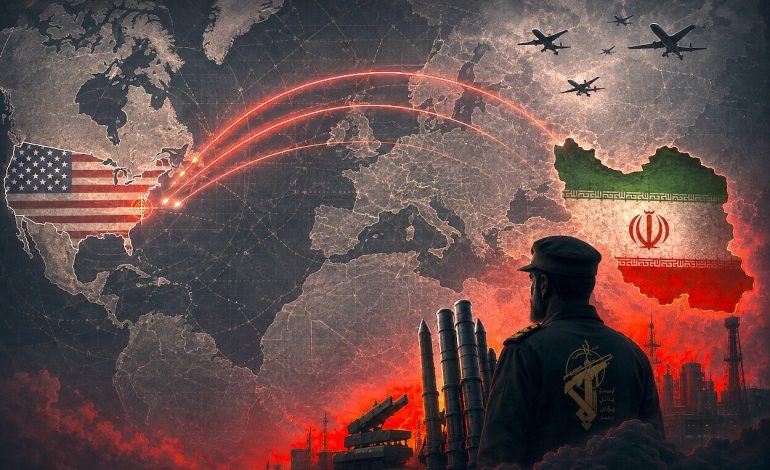
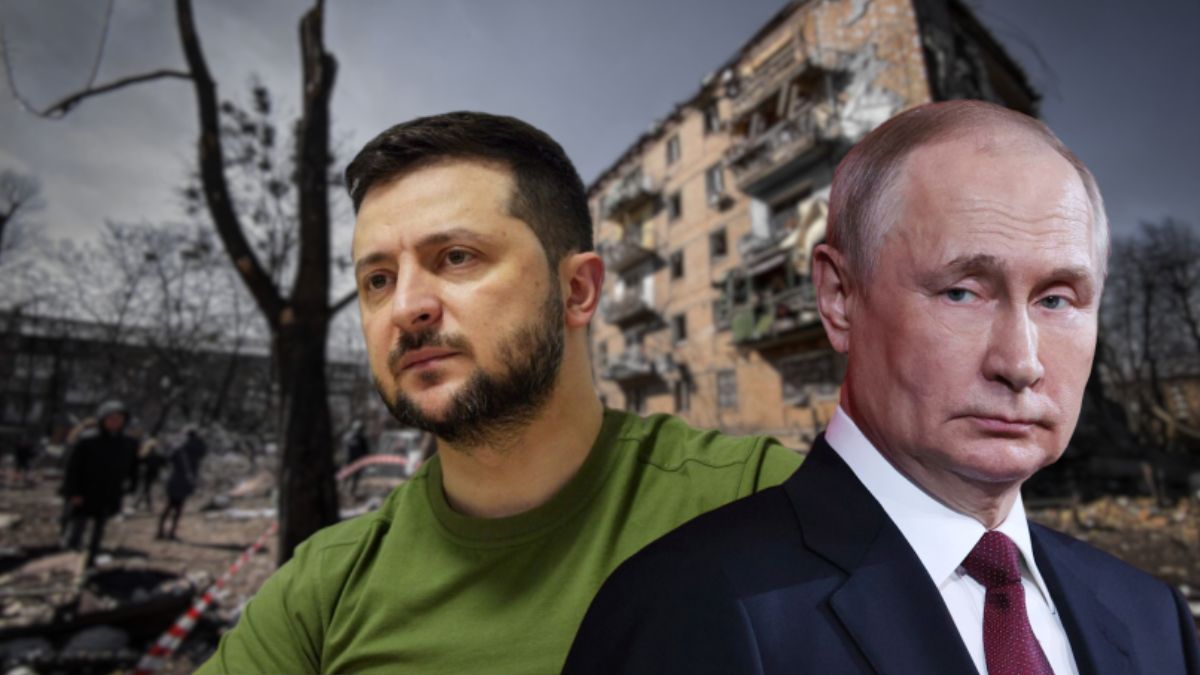
RNA Media illustration for representation.

New Delhi: Iran’s Islamic Revolutionary Guard Corps has been ordered to develop the capability to conduct offensive operations deep inside enemy territory and far beyond the country’s borders, according to the semi-official Mehr News Agency. The directive signals a more explicit emphasis on offensive warfare as Tehran reorganizes its military establishment for what Iranian commanders describe as a potentially prolonged confrontation with the United States and Israel.
Brigadier General Mohammad Reza Naghdi, a senior adviser to the IRGC commander-in-chief, said Iranian forces must be capable of carrying military operations into an adversary’s territory whenever circumstances demanded and an order was issued. Speaking on Iranian state television, Naghdi said the IRGC had now been tasked with acquiring the readiness and capabilities required for such operations under what he described as an “offensive doctrine”, Mehr reported on Wednesday.
The remarks did not specifically say that Iran had been ordered to develop weapons capable of striking the US mainland, and available Iranian accounts referred more broadly to operations on “enemy soil” and at considerable distances from Iranian territory. However, Naghdi repeatedly framed his comments in the context of Iran’s confrontation with the United States, saying Washington possessed vastly greater military resources but had failed to achieve its objectives against Tehran.
Naghdi also claimed that Iran was producing ballistic missiles at a rate exceeding the pace at which they were being fired and that its drone-manufacturing capacity similarly surpassed operational expenditure. He said Iran could sustain missile attacks even if the conflict continued for several years, although these assertions could not be independently verified.
The comments come as Iran’s military leadership undergoes a wider restructuring following months of fighting with the United States and Israel. Mojtaba Khamenei, Iran’s supreme leader, has recently appointed senior IRGC figures to key military and security posts while directing the Guards to strengthen deterrence and maintain readiness for powerful offensive operations against adversaries.
Among the significant appointments was Major General Ahmad Vahidi as commander-in-chief of the IRGC, while Major General Ali Abdollahi was named chief of staff of Iran’s armed forces. Analysts cited by France’s Le Monde have interpreted the changes as an effort to institutionalize lessons from the conflict and prepare the Iranian security establishment for a prolonged confrontation rather than a rapid return to a peacetime posture.
Naghdi’s statement also comes against a backdrop of renewed threats between Tehran and Washington. Iran on warned Gulf countries that fresh US attacks on Iranian territory could trigger retaliatory strikes against American assets as well as energy and other critical infrastructure across the region. The Islamic Republic of Iran broadcasting quoted the country’s military spokesman as having said: “In the event of renewed US aggression against Iran, energy transmission lines, power plants, all American and non-American systems, and even global internet-connected infrastructure are at risk.”
That warning followed threats by the US president, Donald Trump, to strike Iranian energy infrastructure, prompting regional governments to press Washington and Tehran to avoid another escalation. Saudi Arabia, Qatar and Oman have urged a return to diplomacy as concerns persist that renewed hostilities could disrupt Gulf energy supplies and widen the conflict across West Asia.
Iran has for decades relied heavily on ballistic missiles, drones and allied armed groups as instruments of deterrence and strategic depth, allowing it to impose costs on adversaries without relying on conventional air power alone. The latest statements suggest that Tehran is now publicly giving greater prominence to the ability to conduct direct offensive operations well beyond its own borders, though the precise military capabilities envisaged under the doctrine remain unclear.