



Iranian assassination threats force US treasury chief Scott Bessent to seek refuge at military base
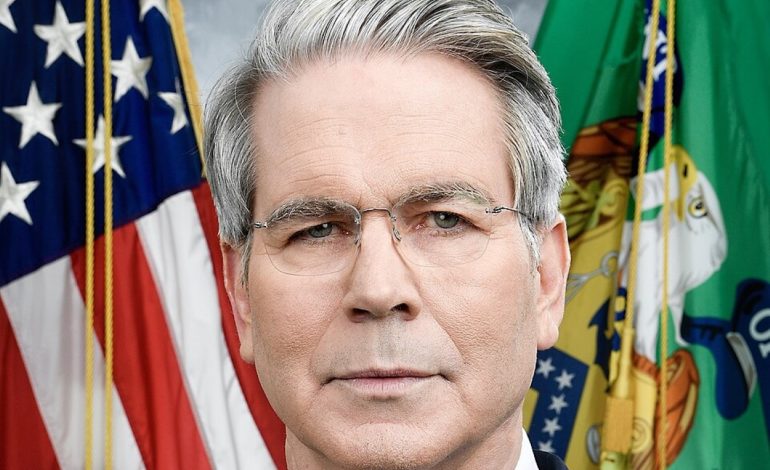
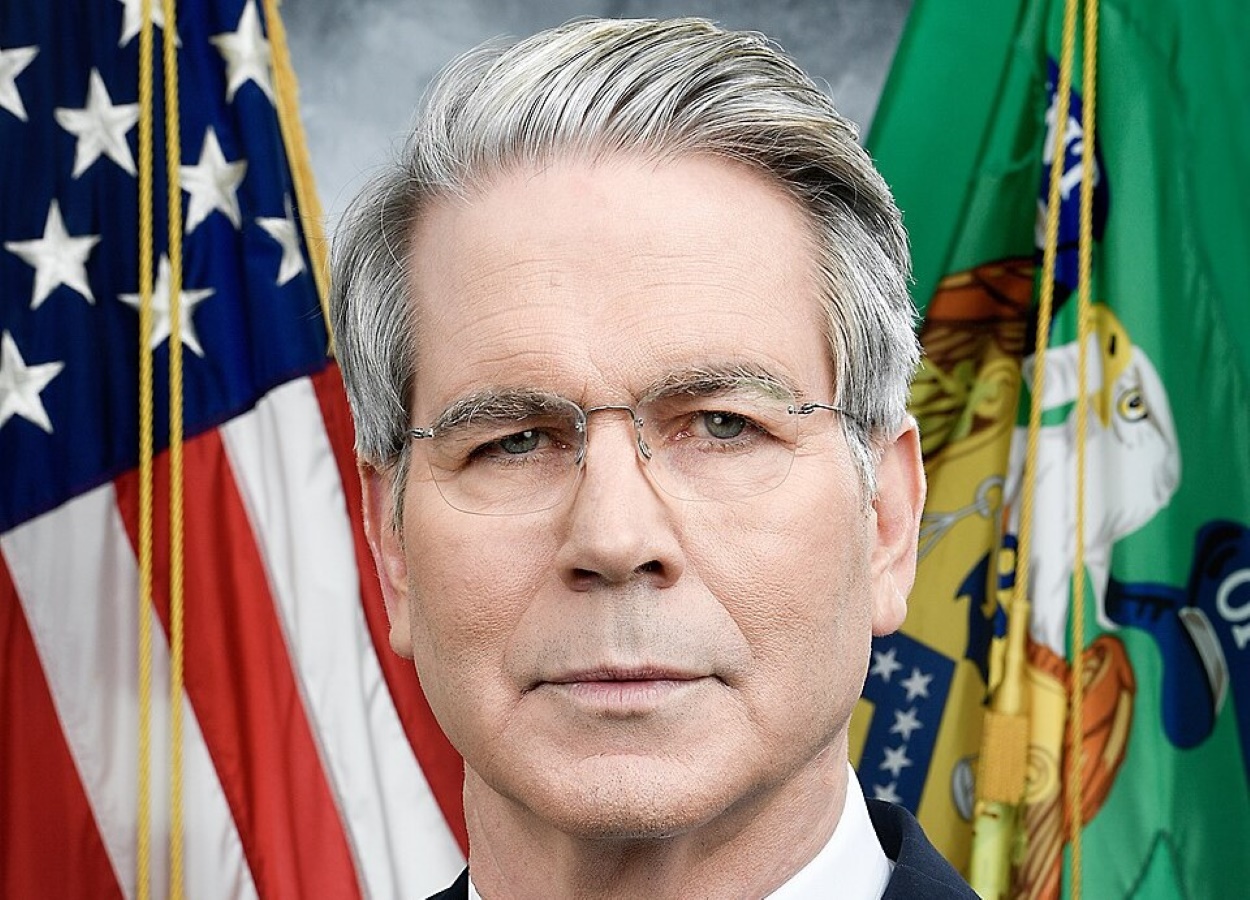
Scott Bessent. (Photo via Wikipedia)

New Delhi: The US treasury secretary, Scott Bessent, has moved out of his Washington residence and into a military installation following intelligence warnings about Iranian threats to his life, bringing the confrontation between Washington and Tehran directly into the American capital. The relocation, subsequently confirmed by the US treasury department, reflects growing concerns within the administration of the US president, Donald Trump, that Iranian retaliation could extend beyond the Middle East to senior American policymakers.
According to Reuters, two people familiar with the security arrangements confirmed the move on Wednesday, following an initial disclosure by the New York Times. Intelligence assessments reportedly indicate that Iranian operations targeting serving and former American officials have become more advanced, although the precise nature of the alleged plot against Bessent has not been publicly established.
A senior administration official told Fox News Digital that threats against Bessent had progressed beyond preliminary planning, prompting him and his family to move into protected accommodation. The official interpreted the alleged targeting as evidence that Washington’s economic campaign was hurting Tehran, although no publicly disclosed intelligence establishes a direct connection between the sanctions and the reported threats.
A treasury department spokesperson confirmed the relocation and said Bessent would continue implementing the administration’s financial restrictions against Iran despite the security concerns. Neither the department nor the White House has publicly identified the military installation housing him, disclosed when he moved or provided details about the intelligence underlying the decision.
Why Bessent has become a potential target
Bessent occupies a particularly influential position in Washington’s confrontation with Iran because he oversees the financial measures intended to undermine Tehran’s ability to sustain military operations and international trade. Since August, he has directed Operation Economic Outcast, an extensive sanctions programme designed to isolate Iranian banks, disrupt oil revenues and penalize foreign entities facilitating transactions with the Islamic republic.
The US treasury launched the operation on August 24 describing it as a coordinated effort to sever Iran’s international financial connections. Its measures extend beyond Iranian institutions to foreign banks, commercial intermediaries, shipping networks and businesses suspected of helping Tehran circumvent American restrictions, creating potential consequences for companies operating outside US jurisdiction.
The campaign has progressively targeted Iran’s military procurement networks and financial channels associated with the Islamic Revolutionary Guard Corps (IRGC). On October 15, the treasury announced sanctions against financial networks involving an Iraqi bank and offshore intermediaries, accusing them of facilitating transactions that supported Iranian military and affiliated groups.
More recently, on November 6, the department moved to restrict cryptocurrency exchange MEXC Global from accessing the American financial system, alleging that it had facilitated at least $16 billion in illicit transactions involving several sanctions-evasion networks. These actions illustrate Washington’s effort to close alternative financial channels that Tehran could exploit as conventional banking and international trade become increasingly restricted.
Threats emerge as Iran war enters a new phase
The reported threat against Bessent comes against the background of the US-Israeli military campaign that began on February 28 and has subsequently expanded into a prolonged regional confrontation. American and Israeli strikes have killed senior Iranian figures, including the former supreme leader, Ayatollah Ali Khamenei, while the fighting and associated regional operations have caused extensive casualties and displacement.
Washington has simultaneously imposed a naval blockade on Iranian ports, seeking to deny Tehran commercial revenue and compel it to end attacks on shipping and restore navigation through the Strait of Hormuz. The strategic waterway, vital to international energy shipments and particularly important to Asian importers, has remained severely disrupted since the conflict began.
The security concerns are not confined to Bessent, with American officials warning that suspected Iranian plots against US personnel and citizens have reached an advanced stage. Washington has also reduced diplomatic staffing at some Middle Eastern missions, while reports of threats against military facilities in Britain have prompted additional protective measures.
Nevertheless, the available intelligence does not establish that Iran possesses the operational capacity to execute every alleged plot, and US assessments reportedly continue to regard Tehran’s ability to conduct large-scale attacks overseas as limited. Iran has previously rejected American accusations that it was planning attacks against officials and other individuals on US territory.
US weighs economic pressure against renewed strikes
Bessent’s relocation coincides with a potentially significant adjustment in American strategy, as the administration increasingly presents economic coercion as an alternative to further large-scale military operations. As RNA Media had reported earlier, the US secretary of state, Marco Rubio, told reporters in Paris on Tuesday that sanctions and the naval blockade were imposing mounting costs on Tehran, reducing the immediate need for additional American strikes.
Trump has also indicated that he would postpone further attacks following appeals from regional governments, including Qatar, although Washington has retained the option of resuming military action. The administration’s approach nevertheless presents a difficult calculation, which is that a prolonged financial isolation may weaken Iran’s economic position, but it does not necessarily guarantee political concessions or eliminate the possibility of retaliation against American interests.
For India, the developments carry implications beyond the personal security of an American cabinet official, particularly because sustained disruption in the Persian Gulf affects energy supplies, shipping costs and regional commercial stability. Bessent’s move therefore underscores a broader dimension of the conflict – the growing intersection of economic warfare, intelligence threats and personal security as Washington and Tehran seek leverage without a negotiated settlement.


