


Iran turns to China for air-defence missiles as conflict exposes military gaps, report says
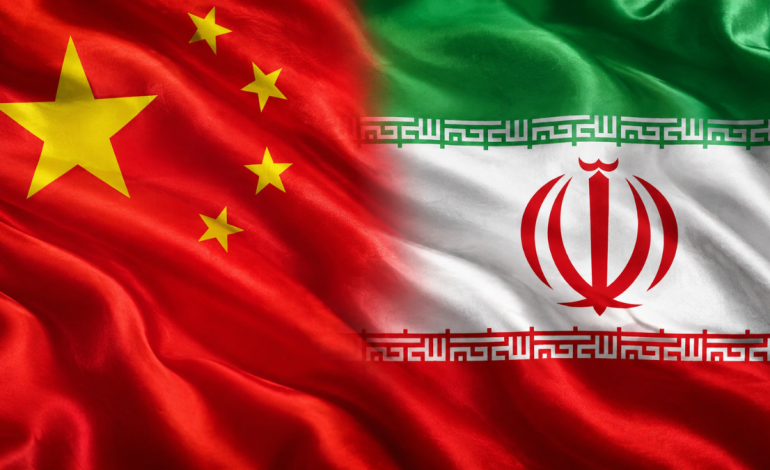
RNA illustration for representation.

New Delhi: Iran is expected to receive its first batch of Chinese-made shoulder-fired air-defence missile systems within the coming weeks under a deal aimed at reinforcing its short-range air-defence network after months of conflict with the United States and Israel, according to a Reuters report. The reported acquisition reflects Tehran’s efforts to address vulnerabilities exposed during recent military exchanges.
The agreement is said to involve between 300 and 400 man-portable air defence systems (Manpads), including the Chinese QW-12 and FN-16 variants. The contract, reportedly valued at around $60–70 million, is among Iran’s most significant recent purchases to strengthen protection of military installations, strategic infrastructure and other sensitive sites against aerial threats.
The missiles are reportedly being supplied through Zhongqing Baoshang International Investment, a Hong Kong-based intermediary, with deliveries initially planned from Urumqi in western China before transiting through Pakistan. However, reports indicated that delivery schedules and final quantities could still be revised.
According to the report, the agreement comes as Iran seeks to rebuild its air-defence capabilities after sustained strikes by the US and Israel targeted facilities linked to its missile, drone and air-defence programmes. The report said Tehran has been looking to enhance its ability to defend fixed military positions and critical infrastructure from aircraft, drones and precision-guided weapons.
China has denied such reports, with its foreign ministry describing them as completely groundless and reiterating that China has consistently supported efforts to promote peace and end the conflict. The parent company of the Hong Kong-based intermediary has also not publicly commented on the reported deal.
Pakistan has also rejected claims that its territory would be used to facilitate the transfer of the weapons. The military’s media wing, Inter-Services Public Relations (ISPR), dismissed reports of Pakistan’s involvement as fabricated, while the country’s foreign ministry did not issue an immediate response.
Reports note that Manpads provide an important layer of short-range air- defence because they are portable, can be rapidly deployed by small teams and are harder to target than fixed missile batteries. While the QW-12 is considered less advanced than newer Chinese systems such as the QW-18 and QW-19, it remains effective against low-flying aircraft, helicopters and drones.
The Reuters report also said Iranian officials have explored overland routes for transporting Chinese military equipment and dual-use components to reduce the risk of disruption. The reported procurement underscores Tehran’s continued reliance on both indigenous defence production and overseas suppliers despite years of international sanctions and restrictions on defence-related imports.