
Iran, Oman and US edge towards interim deal to reopen Strait of Hormuz
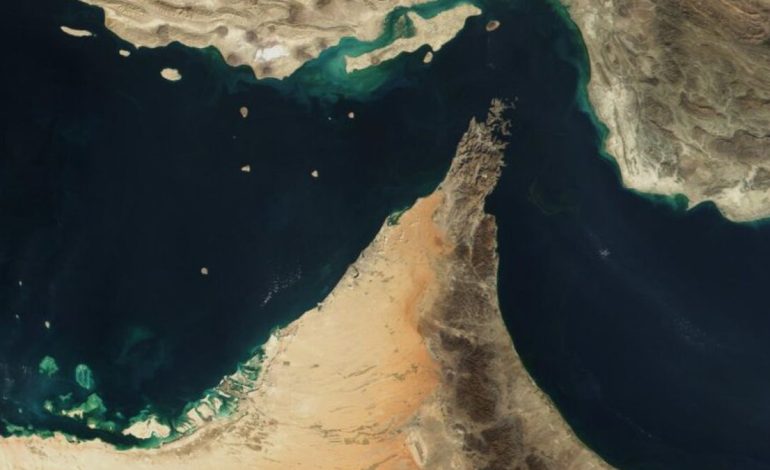
Strait of Hormuz at the centre of Iran-US talks. Image: Wikimedia

New Delhi: Iran, Oman and the US are holding talks on an interim agreement to reopen the Strait of Hormuz. The waterway carries about one-fifth of global oil supplies, and the proposed deal would address immediate disputes over navigation and management of the shipping lanes, while postponing negotiations on wider issues such as Iran’s nuclear programme and long-term US-Iran relations.
The talks come after months of disruption in the strait, where Iran imposed restrictions on commercial shipping following its conflict with the US and Israel. Tehran later reopened parts of the waterway, but only for vessels using routes it had authorized. The US opposed the arrangement, arguing that one of the world’s busiest maritime trade routes should remain open to unrestricted commercial navigation.
The restrictions have significantly reduced shipping through the strait. Daily vessel transits have reportedly fallen from about 130 before the conflict to as few as 8, raising fears of supply disruptions and renewed volatility in global oil prices.
Who controls the strait?
The negotiations hinge on two questions: who controls navigation through the Strait of Hormuz, and whether Iran can charge commercial vessels for using it.
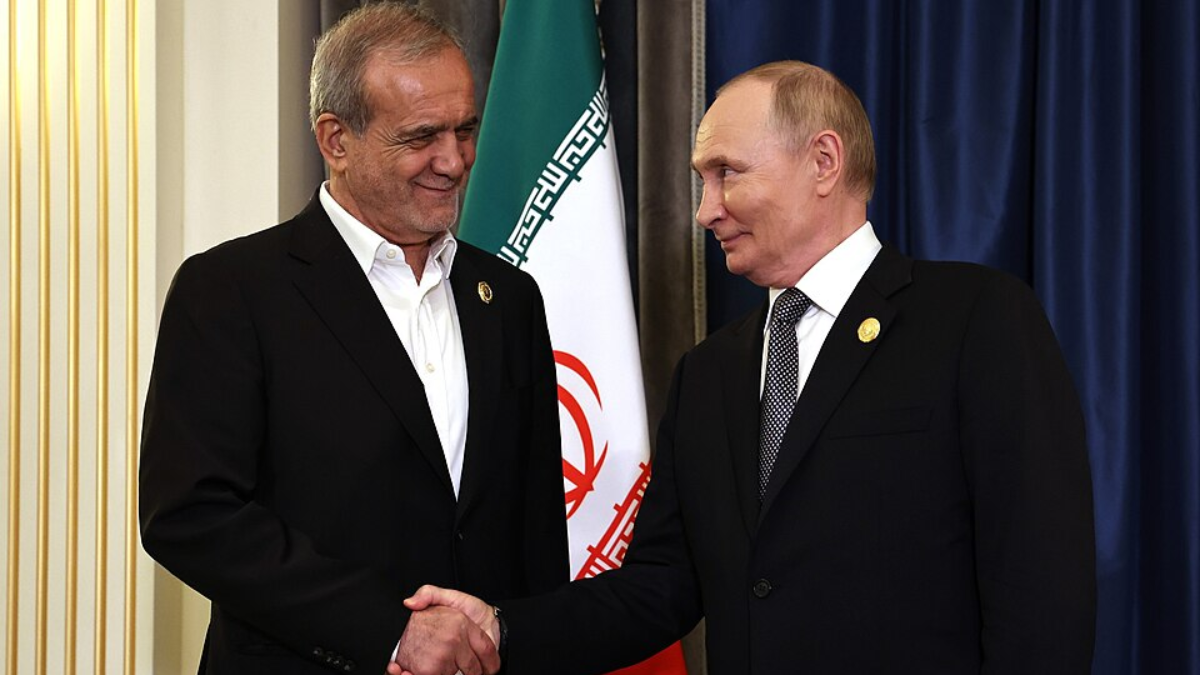
Iran argues that, because the strait passes through Iranian and Omani territorial waters, the two countries should jointly manage commercial navigation. Tehran also wants the right to levy fees for maritime services, while insisting it is negotiating through Oman, not directly with the US.
Washington rejects that approach. The US wants unrestricted commercial navigation, no requirement for vessels to obtain Iranian approval before transiting the strait, and no Iranian transit fees. It is seeking a return to the earlier system in which no single country exercised effective control over commercial shipping through the waterway.
International maritime law generally does not allow countries to impose tolls for passage through an international strait, although coastal states may charge for services such as pilotage, navigational assistance and environmental protection.
A 60-day compromise under discussion
Negotiators appear to be converging on an interim compromise. Under the reported proposal, ships entering the Persian Gulf would use a northern shipping lane through Iranian waters, while outbound vessels would travel through a southern route along Oman’s coast. The arrangement would last 60 days, with no transit fees charged during that period.
The temporary deal is intended to restore commercial shipping while creating space for broader diplomacy. Negotiators have yet to resolve who would manage the shipping lanes after the 60-day period, whether Iran could eventually levy maritime service fees, and how shipping companies would coordinate with Iranian authorities while US sanctions remain in force.
Why the US may be willing to compromise
Analysts say Washington has strong incentives to pursue a temporary deal rather than risk another military escalation. Prolonged disruption in the Strait of Hormuz could drive up global oil prices and fuel costs in the US, making the restoration of commercial shipping both a strategic and economic priority.
According to a Reuters report, one proposal under discussion would allow Iran to oversee ships entering the Persian Gulf through the strait. This would be one of the biggest concessions offered to Tehran so far, and a notable shift from Washington’s long-standing opposition to any Iranian control over the waterway.
Diplomacy continues alongside military warnings
Even as negotiations gather pace, tensions remain high. Iran’s foreign ministry said it had reached an understanding with Oman on reopening a shipping route through the strait, but cautioned that the arrangement alone would not guarantee security in the waterway.
Separately, Reuters reported that Iran had warned Gulf states it would target critical energy infrastructure, including oil facilities and refineries in countries hosting US military forces, if Washington launched fresh strikes on Iranian territory. The exchange underscores the fragile nature of the negotiations despite signs of diplomatic progress.
Trump signals optimism while keeping pressure on Tehran
The US president, Donald Trump, has struck a mixed tone, combining optimism about diplomacy with warnings of military action. He said negotiations with Iran had continued throughout Tuesday and described the discussions positively.
At the same time, Trump warned that Iran would be “hit very hard” if an agreement to reopen the Strait of Hormuz was not reached, signalling that Washington continues to pair diplomatic engagement with military pressure.
Trump also dismissed media reports suggesting the US military was facing shortages of munitions, insisting the US possessed “massive amounts of munitions.” He accused unnamed officials of leaking false information and said those responsible were being investigated.
The US vice president, JD Vance, defended the pace of negotiations, describing talks with Iran as naturally “messy” because of divisions within Iran’s political leadership. While acknowledging that reaching a final settlement would take time, Vance said he remained confident Iran would not acquire a nuclear weapon.
Market reaction
Financial markets have responded cautiously to the diplomatic momentum. The prospect of a temporary agreement has eased concerns over disruptions to global energy supplies, weighing on oil prices.
On the ground, however, tensions around the strait remain unresolved. The UK Maritime Trade Operations (UKMTO) said a commercial tanker heard two explosions while transiting the Strait of Hormuz near Oman’s coast. The vessel and its crew were unharmed, but the incident highlighted the continuing risks to maritime traffic. The US military also said it had redirected dozens of vessels during blockade operations around Iranian ports.
Elsewhere in the region, the Israeli military said two reserve soldiers were killed and four others seriously wounded in an explosion in southern Lebanon. Israeli authorities also released 24 Palestinians detained during the Gaza war, though no official reason was given for their release.
The proposed 60-day arrangement could restore commercial shipping through the Strait of Hormuz, but it leaves the wider disputes between Washington and Tehran unresolved. Any lasting breakthrough will depend on future negotiations over Iran’s nuclear programme, sanctions and regional security.