



Iran claims destruction of two US Patriot radars in Bahrain as missile-drone strikes expose Gulf’s air-defence vulnerabilities
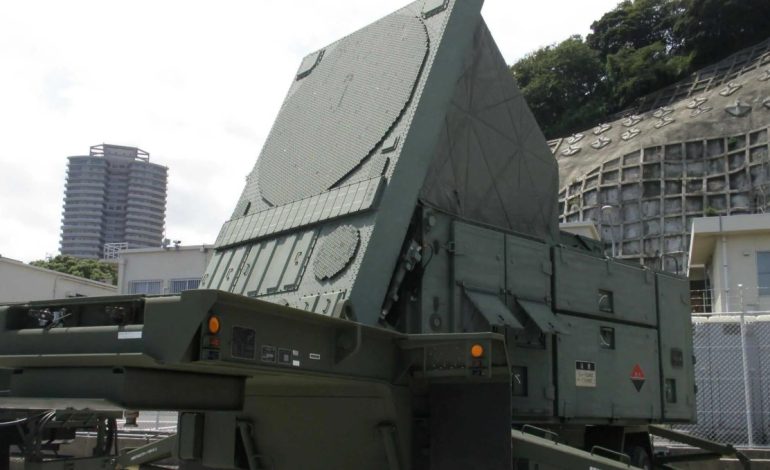
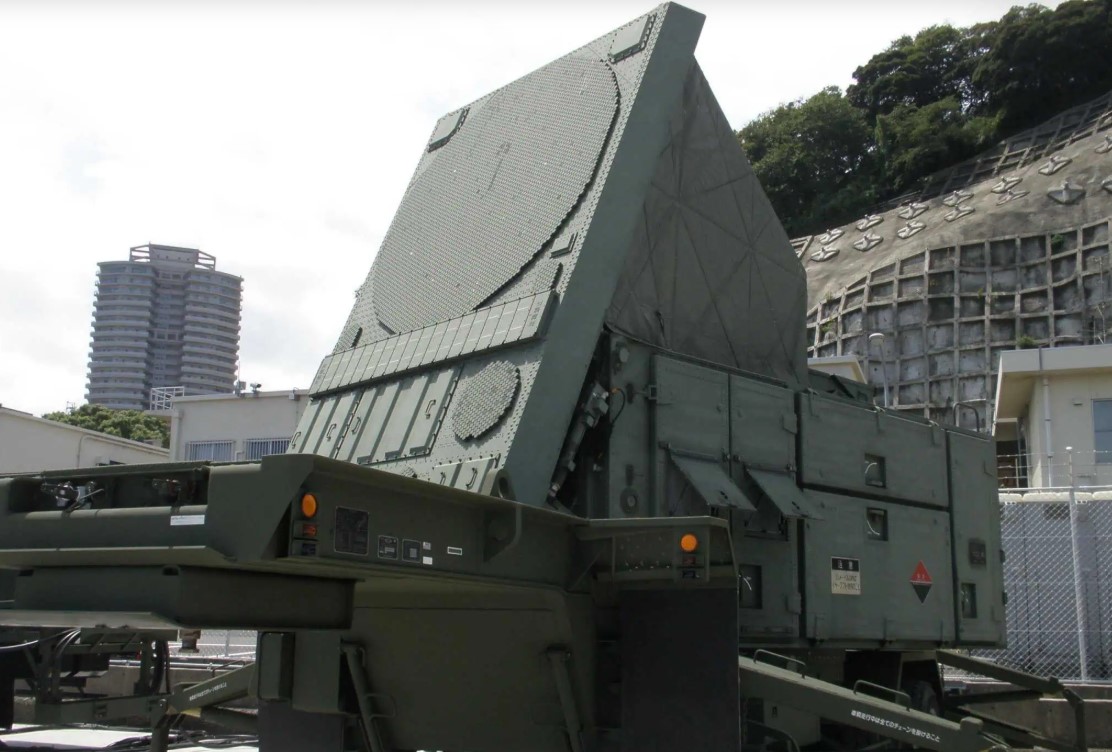
AN/MPQ-53/65 Radar. (Photo for representation.)

New Delhi: Iran has claimed to have destroyed two American Patriot air-defence radars in coordinated missile and drone attacks on US military installations in Bahrain, marking another escalation in the confrontation between Tehran and Washington. The strikes, reported on Saturday, came as Bahraini authorities confirmed that an Iranian aerial attack had caused a fire at a civilian industrial facility, raising fresh concerns about the vulnerability of military and economic infrastructure across the Gulf.
The Islamic Revolutionary Guard Corps (IRGC) said its aerospace force had targeted American military positions at Al-Riffa and Awali, using a combination of missiles and unmanned aerial vehicles to strike two radar installations associated with the Patriot surface-to-air missile system. However, the Iranian claims of successful strikes and the reported destruction of the radars could not be independently verified, and there was no confirmed American assessment of the damage from Saturday’s operation.
According to the IRGC, the attacks were launched in retaliation for alleged incursions into Iranian airspace by American MQ-1 and MQ-9 reconnaissance and combat drones, as well as an attack on an Iranian radar installation on Hengam Island near the Strait of Hormuz. Tehran maintained that its military response was directed against American surveillance and air defence infrastructure, warning that further violations of Iranian territory would invite additional strikes.
Iranian state media released footage purportedly showing American drones being brought down near the Strait of Hormuz and subsequent attacks against military installations in Bahrain. The authenticity of the footage and its connection to the claimed destruction of the Patriot radars remained unverified, making it difficult to establish the actual effectiveness of the operation.
Bahrain confirms attack on civilian facility
Separately, Bahrain’s interior ministry confirmed that an Iranian aerial attack had struck a civilian industrial installation, causing a fire and material damage but no reported casualties. Civil defence personnel were deployed to contain the blaze, and the authorities issued emergency instructions after air raid sirens sounded across the kingdom.
The Bahraini Defence Force said its air defence units had intercepted several Iranian aerial threats during the latest attacks, although it did not provide a detailed assessment of the weapons involved or the locations targeted. The reported fire at the industrial facility demonstrated that the confrontation was affecting civilian infrastructure even as the opposing sides presented competing accounts of military successes.
Iranian media also reported attacks on American facilities at Sheikh Isa and Juffair, suggesting a broader campaign against US military infrastructure in Bahrain. Another Iranian account alleged that an American interceptor missile had malfunctioned and crashed on Sitra Island, but the circumstances of that incident remained unconfirmed.
Why Patriot radars are strategically important
The Patriot system is a central component of American and allied ground-based air and missile defence, designed to detect, track and intercept hostile aircraft, drones, cruise missiles and tactical ballistic missiles. Its multifunction radar provides surveillance and target-tracking information that enables the system’s engagement control station to direct interceptor missiles towards incoming threats.
According to a US congressional research service assessment, Patriot batteries employ AN/MPQ-53 or AN/MPQ-65 radar systems, depending on their configuration. These radars perform several essential functions, meaning their destruction or prolonged incapacitation could significantly reduce a battery’s operational effectiveness unless alternative sensors and defensive assets compensate for the loss.
For Iran, targeting radar installations rather than concentrating exclusively on missile launchers offers a potentially important tactical advantage. A successful strike against a radar could disrupt a battery’s ability to identify and engage incoming threats, potentially creating temporary gaps in defensive coverage that subsequent attacks might exploit.
However, disabling individual Patriot radars would not necessarily neutralize the wider American air defence network, which can draw upon multiple sensors, overlapping defensive systems and other military capabilities. The operational consequences would depend on the actual damage, the availability of replacement equipment and how the affected installations are integrated into the broader regional defence architecture.
Repeated Iranian attacks challenge US defences
The latest Iranian claims follow a series of similar incidents in Bahrain, where Tehran has repeatedly asserted that its drones struck American radar installations. On November 13, the IRGC claimed to have destroyed a US early-warning radar, but the US Central Command (Centcom) rejected the assertion, saying American forces had intercepted two incoming drones without suffering damage.
As RNA Media reported, the earlier confrontation occurred when Washington was facing pressure from Gulf governments to avoid another major escalation against Iran. The episode highlighted the conflicting objectives of Tehran, which seeks to deter American military operations, and Gulf governments concerned about retaliatory attacks on their territories.
Further attacks followed, including a November 15 operation in which Iran claimed to have dispatched six drones against an American radar installation at Al-Riffa. RNA Media’s coverage of that incident noted that Bahraini forces reported intercepting incoming aerial threats, with no independent confirmation that the intended military target had been damaged.
On November 17, Iran again claimed to have targeted an American radar at Sheikh Isa Air Base, but Centcom said the drones had been intercepted without damage to American equipment or injuries to US personnel. The Reuters report on that incident underscored the continuing difficulty of independently establishing battlefield outcomes when Iranian and American military accounts directly contradict each other.
Strategic implications for the Gulf and India
Bahrain occupies a particularly important position in Washington’s regional military network because it hosts the headquarters of the US Navy’s Fifth Fleet, which supports American maritime operations across the Gulf, Arabian Sea and adjoining strategic waterways. Attacks against American installations in the kingdom therefore carry implications extending beyond Bahrain’s territorial security, particularly when tensions remain high around the Strait of Hormuz.
The confrontation forms part of the wider US-Israeli war against Iran that began on February 28 and subsequently spread across the region through aerial attacks, maritime restrictions and retaliatory military operations. Diplomatic efforts have struggled to produce a settlement, with Tehran demanding relief from American economic and maritime pressure and Washington seeking restrictions on Iran’s nuclear and military capabilities.
The military significance of Saturday’s operation ultimately depends on whether Iran actually disabled the two Patriot radars it claims to have destroyed. Even without independent confirmation of that damage, the repeated attempts to target American surveillance and air defence infrastructure demonstrate Tehran’s determination to challenge US military operations beyond Iranian territory and underline the continuing risk of a wider regional escalation.