
Houthis claim Saudi tanker attacks as US strikes Iran for 12th consecutive night
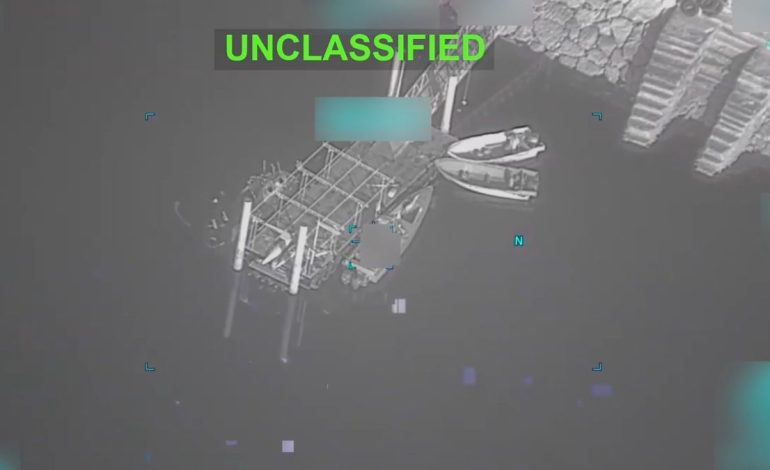
US conducts another round of strikes on Iranian military targets, marking the 12th consecutive night of operations against Iran. Image Credit: X/@CENTCOM

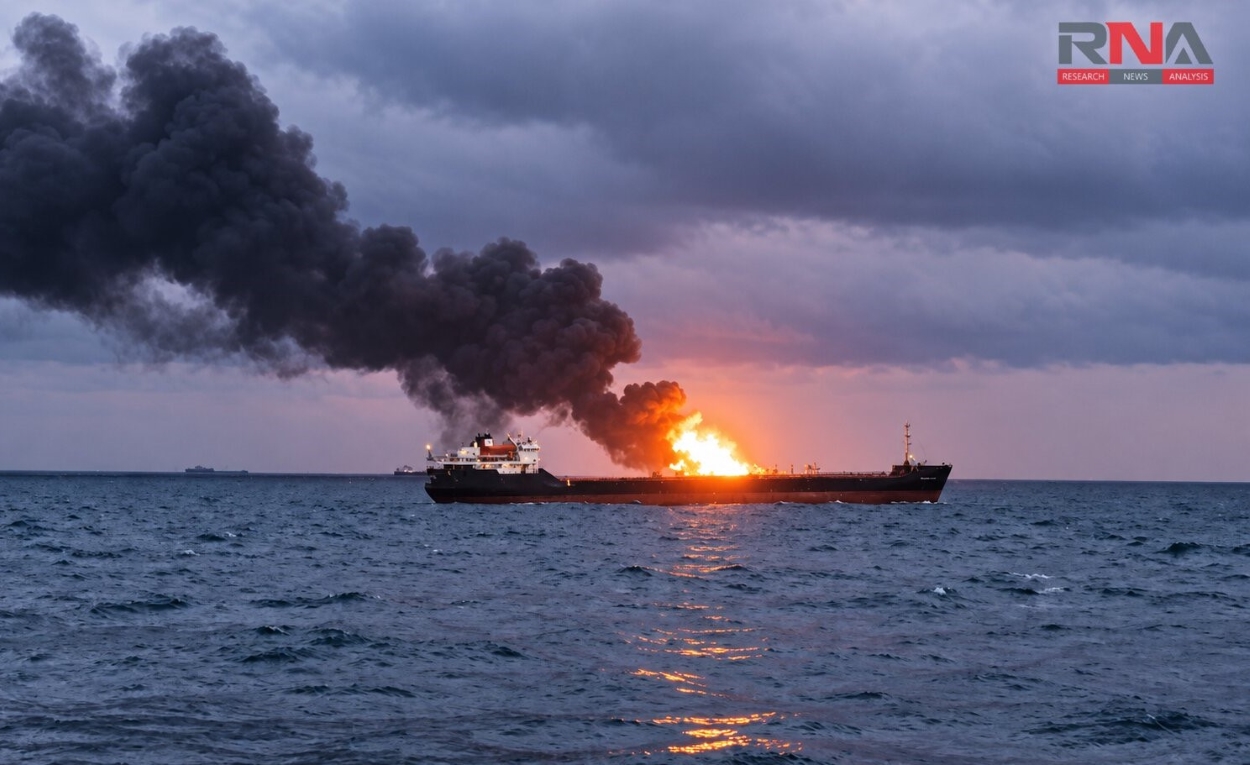
New Delhi: Yemen’s Houthi movement said it attacked two Saudi-flagged oil tankers in the Red Sea on Wednesday, using ballistic and cruise missiles along with drones. The group identified the vessels as the Encelia and the Layla, and said both had violated a naval blockade it declared against Saudi Arabia two days earlier.
The Saudi Press Agency confirmed that the Encelia was struck and caught fire, citing an official at the country’s Transport General Authority. All crew members were reported safe. Saudi authorities have not commented on the Layla, and that specific attack has not been independently verified.
Why the Houthis are targeting Saudi shipping
The Houthis announced their blockade on Monday, warning that vessels travelling to or from Saudi ports could be targeted. The group accuses Saudi Arabia of maintaining restrictions on Yemen’s ports and airports, and has blamed Riyadh for an incident involving an Iranian aircraft attempting to land in Sanaa.
Saudi Arabia and the Houthis have largely avoided direct confrontation since a de facto truce took hold in 2022. This week’s attacks mark one of the most significant tests of that truce in years.
The blockade specifically threatens shipping through the Bab el-Mandeb Strait, which connects the Red Sea to the Gulf of Aden. If the route becomes unsafe, vessels may be forced to reroute around Africa’s Cape of Good Hope instead, adding significant distance and cost to voyages.
This threat comes at a sensitive time for Saudi Arabia. With the Strait of Hormuz already disrupted by the US-Iran war, Saudi Arabia has increasingly relied on its East-West Pipeline to move oil overland to the Red Sea port of Yanbu, bypassing Hormuz entirely. Both of Saudi Arabia’s main oil export routes are now facing disruption at the same time.
US-Iran war reaches 12th night
Separately, the US struck Iran again on Wednesday, marking the 12th consecutive night of strikes since fighting resumed. According to US Central Command (Centcom), the latest strikes targeted Iranian maritime military capabilities, missile and drone storage facilities, coastal surveillance sites and air-defence systems.
Centcom said the objective remains reducing Iran’s ability to threaten commercial ships and civilian mariners in the region. The Strait of Hormuz normally carries about a fifth of the world’s oil supply.
The US president, Donald Trump, said the US could strike an Iranian bridge or power plant each time Iran attacks a vessel in the strait, potentially including infrastructure near Tehran. Iran’s foreign minister, Abbas Araghchi, responded by describing Tehran’s approach as “an eye for an eye.”
Casualties and cost of war
Since the broader conflict began on February 28, 18 US service members have been killed and between 447 and 450 wounded, according to figures cited in recent reports. Four US soldiers killed in the conflict were returned to the US through Dover Air Force Base. Iran has said at least 53 civilians have been killed and 592 wounded since the latest round of strikes began, though casualty figures during an active conflict are subject to change.
The US defence secretary, Pete Hegseth, has told senators the war has cost around $37.5 billion so far, with the Pentagon seeking additional funding from Congress.
Oil prices have risen through the escalation, with Brent crude trading between $92 and $95 a barrel.
Where diplomacy stands
Iran’s interior minister, Eskandar Momeni, travelled to Pakistan this week as part of efforts to revive an earlier ceasefire arrangement. Pakistan’s prime minister, Shehbaz Sharif, has called for restraint from both sides.
The US secretary of state, Marco Rubio, has said Iran has been in contact with Washington about possible talks. Trump has not signalled interest in negotiating while military operations continue.