

Hormuz diplomacy stalls as Houthi attacks and Saudi oil disruption raise stakes
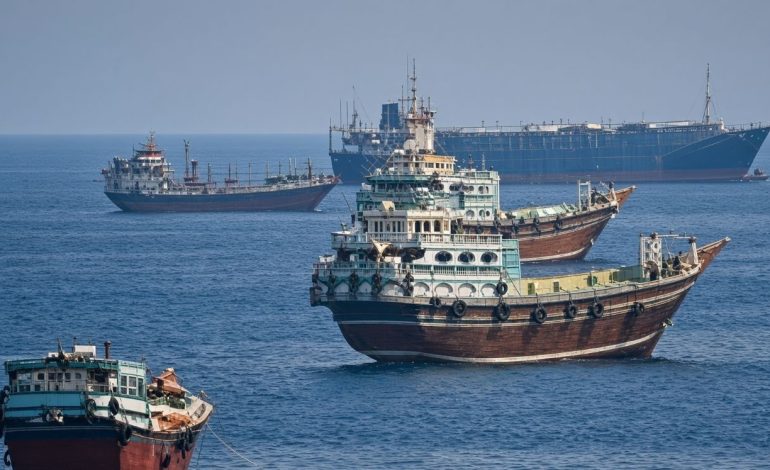
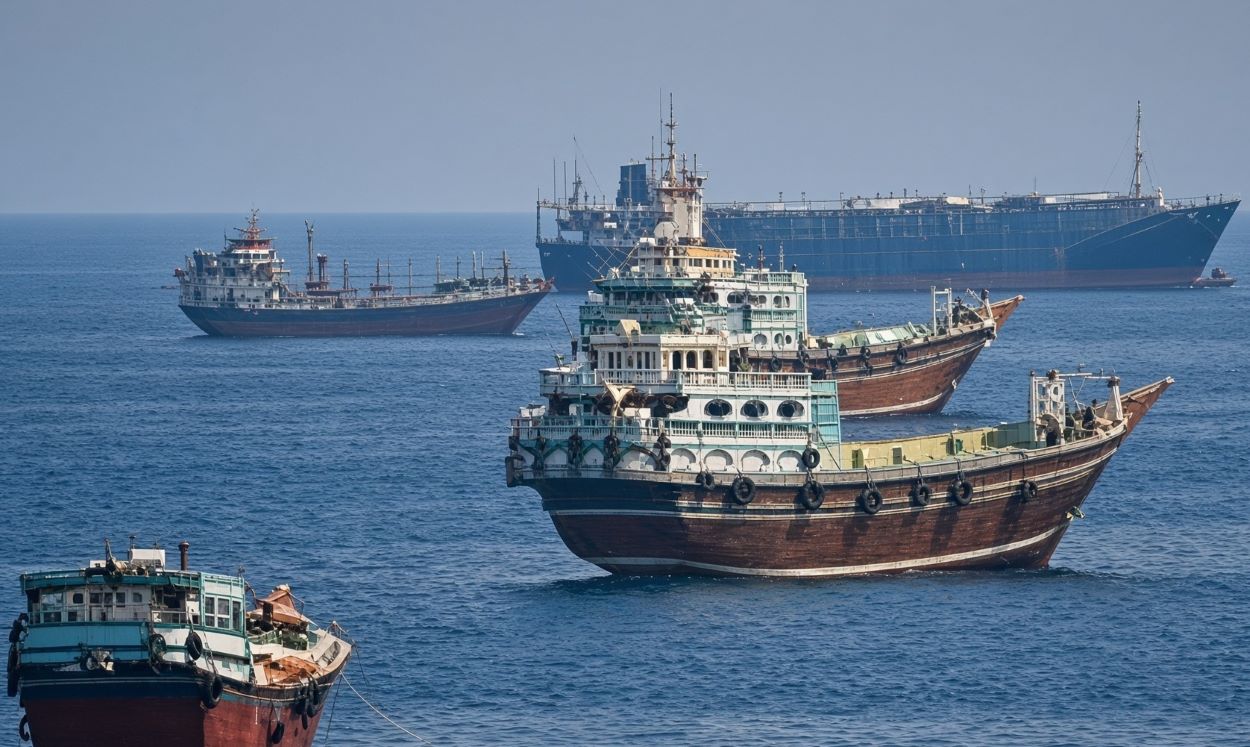
With Houthis now enforcing a blockade of Bab al-Mandab Strait going to the Red Sea and Iran restricting oil and cargo traffic through the Strait of Hormuz, oil coming out of the Gulf region has come down to a trickle. (Representative photo)

New Delhi: Diplomatic efforts to ease the crisis around the Strait of Hormuz have suffered a setback after Oman postponed a planned meeting between Iran and Gulf states, even as fighting involving Yemen’s Houthis and attacks on Saudi energy infrastructure added fresh pressure to an already fragile regional security situation. The delay comes at a particularly sensitive moment for global energy markets, with the strategic waterway severely disrupted and Saudi Arabia’s main east-west oil pipeline temporarily out of service.
Oman had been expected to host the meeting on Monday to discuss arrangements for navigation through the Strait of Hormuz and broader regional security concerns. Omani Foreign Minister Sayyid Badr Albusaidi said the postponement was made in the interests of achieving consensus, while Iran said the delay followed a request from Saudi Arabia; Tehran and Muscat are expected to coordinate on a new date.
The setback had been preceded by signs that the proposed talks were already facing political resistance within the Gulf. Bahrain said it would not take part in the meeting, arguing that regional security could not be built through what it described as appeasement and calling for the strait to remain open without discriminatory restrictions, fees or permits.
The disagreement matters because the proposed talks were intended to address a problem that has consequences well beyond Iran and its immediate neighbours. The Strait of Hormuz is one of the world’s most important energy chokepoints, and prolonged restrictions on shipping have already forced producers and consumers to rely more heavily on alternative routes and limited reserves.
Iran, meanwhile, has moved to formalize restrictions on vessels it says have violated its rules for operating in the waterway. Tehran has identified 77 ships and warned that vessels on the list could face measures including fines, detention or confiscation, while ships that assist them by accepting cargo transfers could also be subjected to restrictions.
That development adds another layer of uncertainty for shipping companies. Even if the parties eventually agree on a mechanism for limited navigation, commercial operators will have to assess whether the political assurances are sufficiently credible to justify sending vessels through an area where the rules, enforcement arrangements and security environment remain contested.
The diplomatic difficulties have coincided with a sharp deterioration in the situation around Saudi Arabia and Yemen. The Iran-aligned Houthis said they had launched a new attack against a Saudi military facility, while Riyadh has been carrying out strikes against Houthi targets in Yemen following the group’s recent territorial advances.
The renewed fighting has also opened another front in the wider regional conflict. Houthi forces have advanced along parts of Yemen’s Red Sea coast and captured Perim Island at the entrance to the Bab al-Mandab, another strategically important maritime passage connecting the Red Sea with the Gulf of Aden.
For Saudi Arabia, the immediate economic danger is particularly serious because an attack has forced the shutdown of its east-west pipeline, which provides an alternative route for moving crude to the Red Sea when exports through the Gulf face disruption. Reuters estimates that the outage could put as much as 4% of global oil supply at risk if the pipeline is not restored quickly.
The pipeline is strategically important because it reduces Saudi Arabia’s dependence on the Strait of Hormuz by carrying crude from the kingdom’s oil-producing areas towards Yanbu on the Red Sea. Its closure therefore removes precisely the kind of alternative export capacity that becomes critical when shipping through Hormuz is constrained.
The consequences were visible when markets reopened on Monday. Brent crude rose by more than 3% at one stage, reaching above $108 a barrel, while West Texas Intermediate also climbed sharply as traders assessed the combined effect of the Saudi pipeline outage, renewed attacks and continued restrictions around Hormuz.
The significance for India is considerable. Any prolonged disruption around Hormuz and the Bab el-Mandeb would raise freight, insurance and crude-import costs for one of the world’s largest energy-consuming economies, while higher oil prices could feed into inflation and complicate monetary and fiscal policy.
The diplomatic stalemate also presents a difficult calculation for Washington. The United States has strategic commitments to Saudi Arabia and other Gulf partners, but deeper military involvement in Yemen risks widening a conflict that Washington would prefer to contain while it seeks an eventual end to the larger confrontation involving Iran.
For Saudi Arabia and other Gulf states, the calculation is equally complicated. They need a functioning maritime route for energy exports and imports but reaching an accommodation with Tehran while attacks on Gulf territory and infrastructure continue would carry substantial political and security costs.
Oman has nevertheless spent months trying to create a framework for managing the maritime crisis. Its discussions with Iran have focused on navigation and maritime coordination, with both sides previously agreeing to pursue political and technical understandings consistent with international law.
The postponement therefore does not necessarily mean diplomacy has failed, but it shows how narrow the space for compromise has become. Any arrangement over Hormuz now has to address not only Iran’s control over access to the waterway but also the security concerns of Gulf governments facing attacks, the interests of international shipping and the urgent requirement to prevent further disruption to global energy supplies.
The immediate problem is that the military and economic pressures are moving faster than diplomacy. Until the parties can establish a credible basis for safe navigation, the Strait of Hormuz will remain not merely a geopolitical flashpoint but a major vulnerability for the global economy.