
Gaza’s 1,134 child amputees struggle for treatment as Israel blocks medical access
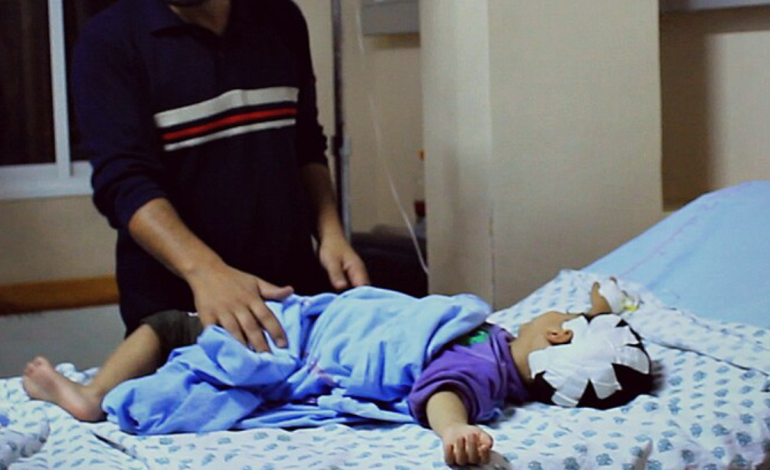
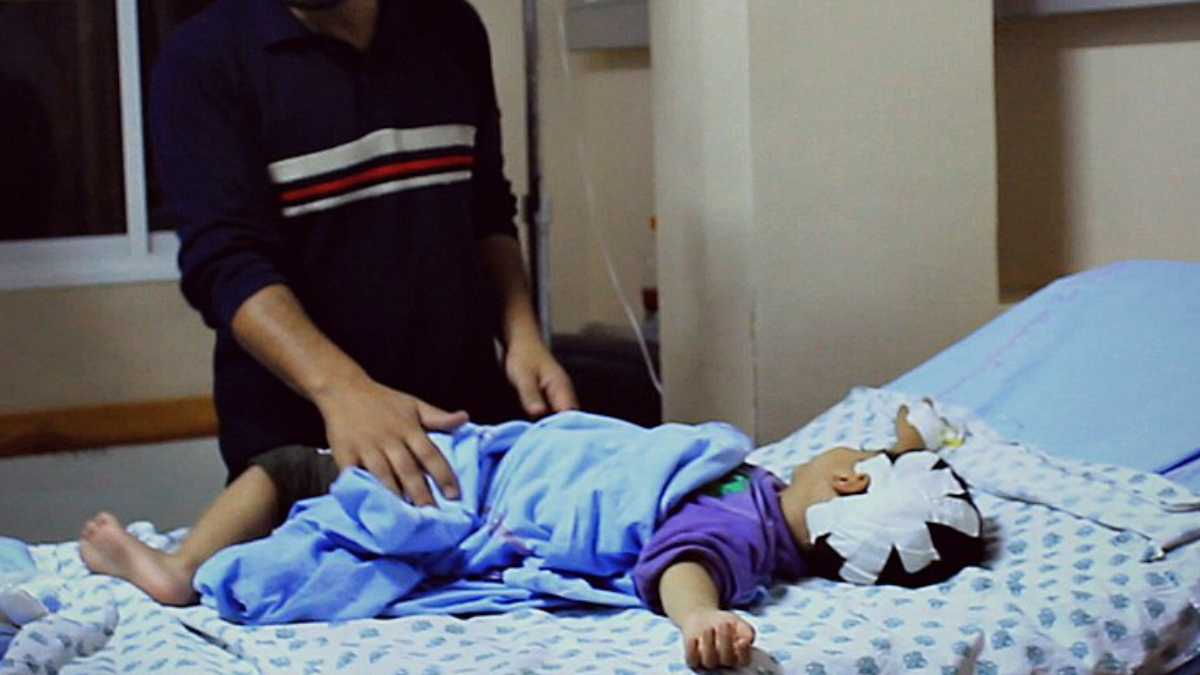
Representational image. (Image courtesy: Wikimedia)

New Delhi: Hundreds of children who have had their limbs amputated due to attacks in Gaza are being deprived of their right to receive medical assistance and rehabilitation services by the Israelis. Many of them are unable to get prosthetic limbs due to the lack of access to these materials.
They require constant medical attention. This involves surgeries, physiotherapy, pain management and psychotherapy. In addition, they require prosthesis that must be adjusted to keep up with their growth. But lack of equipment and specialists has interfered with their treatment process.
Euro-Med Human Rights Monitor said 1,134 children had undergone amputations in Gaza as of October 9 this year. The organization accused Israel of deliberately obstructing their treatment and rehabilitation. It described these restrictions as part of the genocide against Palestinians in Gaza.
Due to the lack of prosthetic limbs, some children have had to resort to using PVC pipes as walking aids. Such crude tools of mobility may lead to pain as well as frequent falls, causing wounds and restricting movement.
According to a World Health Organization update published in May, only 500 of the 2,300 people assessed after limb amputations had received permanent prosthetics. The assessment covered September 2024 to May 2026 and included children and adults. The WHO also said no rehabilitation facility was fully functional.
Access to specialized treatment remains another major challenge. Israeli restrictions on medical evacuations prevent children from travelling for treatment unavailable in Gaza. Displacement has added to their difficulties. Many families live in tents and shelters with poor sanitation and limited access to healthcare.
Humanity & Inclusion reported on October 27 that only eight certified prosthetics and orthotics professionals were available in Gaza. Shortages of machinery and metal components have also affected the production and repair of artificial limbs.
Euro-Med Monitor documented the case of Mousa, an 11-year-old boy whose right hand was amputated after an Israeli artillery strike near an aid distribution centre in August 2025. His mother, Fidaa Ahmad Al-Shaer, said he also suffered spinal cord damage and became paralyzed. He needs surgery, rehabilitation and treatment abroad. However, restrictions on crossings have prevented him from leaving Gaza.
Sila is another example of a girl of eight years who lost both her legs after an incident that occurred in their displacement tent in Khan Yunis in May 2025. One of the relatives of Sila, Aya Fawaz Madi, revealed that the mental state of Sila had been deteriorating.
The crisis also affects children who have lost their parents. They face additional difficulties accessing treatment, education and daily care. According to report, 71,846 children in Gaza had been recorded as orphans as of October 9.
A Unicef assessment published in September found that the war had severely disrupted education, healthcare, rehabilitation and water and sanitation services for children with disabilities.
Euro-Med Monitor called for the removal of restrictions on medical supplies, prosthetic limbs and specialized personnel. It also urged the international community to ensure medical evacuations, long-term rehabilitation and psychological support. The organization called for accountability for attacks on children and restrictions that prevent them from receiving treatment.